HB 3772 — Summary (SCH CD — Suspension/Expulsion)
Status (as of July 1, 2025)
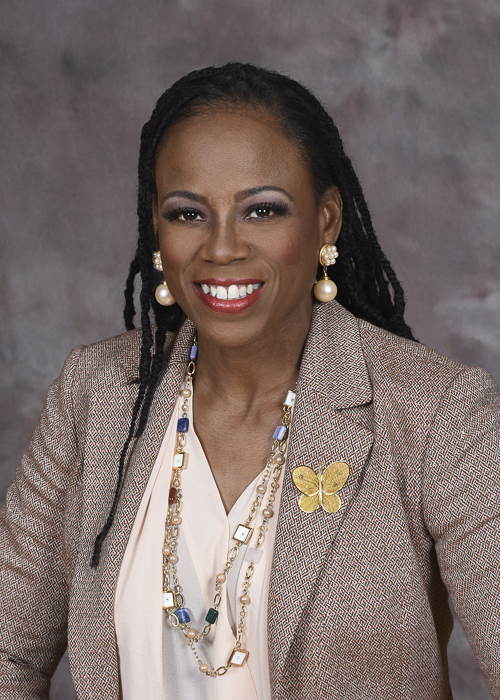
- Introduced: March 5, 2025 (Rep. William "Will" Davis)
- Passed Senate: May 31, 2025 (30–21) with Senate Floor Amendment No. 4 adopted
- Arrived in House: May 31, 2025; Senate amendment concurrence motions referred to Rules Committee under Rule 19(b) on July 1, 2025
- Companion bill: SB 1698
Purpose
- To limit and more tightly regulate the suspension and expulsion of very young students (preschool and kindergarten–grade 2), strengthen oversight of district discipline practices, and make technical/administrative changes to State preschool grant administration and reporting.
Key provisions and changes
1. Restrictions on preschool suspensions (ages 3–5)
- A suspension of a preschool student for 3 or more days may only be authorized by the district superintendent, the director of the early childhood program, or the equivalent.
- The length of any preschool suspension may not exceed the number of days required by the district or program to develop and implement a behavior intervention plan or a safety plan.
Protections for kindergarten–grade 2 students
- Prohibits expulsion of students in kindergarten through grade 2 except where federal or State law requires otherwise.
- A suspension of a K–2 student for 3 or more days may only be authorized by the district superintendent.
- The length of any K–2 suspension may not exceed the number of days required by the district to develop and implement a behavior intervention plan or safety plan.
Long-term suspension/transfer rule
- A student suspended in excess of 20 school days may be immediately transferred to an alternative program.
- Transfers generally cannot be denied because of the suspension unless the transfer would pose a safety threat to students or staff in the alternative program.
Discipline data collection and improvement plans (Sec. 2‑3.162)
- State Board of Education (SBE) must publish an annual student discipline report using district-submitted data (suspensions, expulsions, out-of-school removals, demographic breakdowns, incident types, durations).
- SBE will identify the top 20% of districts on three metrics: suspension rate, expulsion rate, and racial disproportionality (calculated per U.S. Dept. of Education OCR methodology), using multiple consecutive years of data.
- Districts that appear in the top 20% on any metric for 3 consecutive years must submit a publicly posted school-discipline improvement plan describing strategies to reduce exclusionary practices and disproportionality; they must also submit a progress report within one year.
- Calculations exclude very small districts (under 50 white students or under 50 students of color) and certain other special/charter counting rules. Some amendments modify reporting deadlines (e.g., July 31, 2026 and annually thereafter).
Preschool grant program administration (Sec. 2‑3.71)
- Continues State-funded preschool grant program; shifts primary administrative and funding responsibility to the Department of Early Childhood on and after July 1, 2026.
- Grants must supplement, not supplant, existing funds; programs should include parent-education components.
- Funding priorities: first to programs serving primarily at‑risk children, then to programs serving families under specified income thresholds. Memoranda of understanding with local Head Start agencies and related collaboration requirements are retained, with administrative changes after July 1, 2026.
Who is affected
- Public school districts and State-authorized charter schools (including district preschool and early childhood programs)
- Students in preschool (ages 3–5), kindergarten through grade 2, and their families
- District superintendents, early childhood program directors, building administrators, and preschool/K–2 teachers
- Department of Early Childhood and State Board of Education (administration, reporting, and oversight duties)
- Alternative program providers (for transfers of students suspended >20 days)
Procedural/timeline notes
- Multiple Senate amendments and committee amendments were filed and some adopted; Senate Floor Amendment No. 4 was adopted May 31, 2025.
- After Senate passage, concurrence on Senate amendments (notably Amendment No. 4) was placed under Rule 19(b) and referred to the House Rules Committee on July 1, 2025 — further House action required for final enactment.
- Certain provisions take effect or shift authority on July 1, 2026 (notably transfer of preschool grant administration to the Department of Early Childhood and related screening/reporting changes).