

WeVote

Bill

Bill

SB 3301

SCH CD-EXEMPT FOREIGN LANG REQ

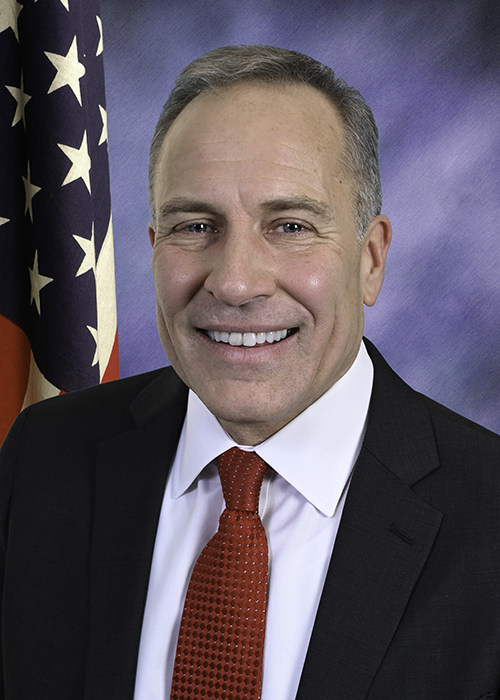
104th Regular Session Introduced by Chris Balkema and 2 co-sponsors

Illinois districts may waive two-year foreign language requirements for graduation due to staffing gaps, with student exemptions for non-college postsecondary plans.

0
WeVote Research Nonpartisan
Bill Summary · SB 3301

Purpose and intent

SB 3301 amends the Illinois School Code to modify the foreign language graduation requirement. Starting with the 2028-2029 school year, it provides a pathway for school districts to obtain a waiver from requiring two years of foreign language for graduation, and it creates an exemption mechanism for individual students who pursue postsecondary plans that do not include higher education. The bill aims to address districts’ ability to staff foreign language education and to allow flexibility for students with alternative postsecondary plans.

Key provisions and changes

  • Exemption for districts (effective 2028-2029):

    • A school district may be exempt from requiring two years of foreign language for graduation if it submits a written waiver request to the State Board of Education (SBE) and includes evidence showing the district lacks the personnel to teach two years of foreign language to all secondary students.
    • The SBE, upon receiving the district’s request, may grant the exemption if the provided evidence is deemed sufficient by the State Superintendent of Education (or designee).
  • Student exemptions (ongoing mechanism):

    • A pupil is exempt from the two-year foreign language requirement if, in consultation with a school counselor and the pupil, a postsecondary plan is developed that centers on opportunities not involving higher education.
    • The postsecondary plan must be sent to the district superintendent to formalize the exemption.
  • Integration with existing graduation requirements:

    • The exemption provisions are embedded within the broader framework of the state’s required coursework for high school graduation, including language arts, mathematics, science, social studies, and other electives.
    • The bill preserves the structure of other graduation requirements as amended in prior years (e.g., civics, financial literacy, and other electives), while adding the specific foreign language waiver/ exemption pathways.
  • Effective date:

    • Effective July 1, 2026, with the foreign language waiver provisions applicable beginning in the 2028-2029 school year.

Who is affected

  • School districts:

    • May apply for a district-level exemption from the two-year foreign language requirement if they demonstrate staffing limitations.
  • Students:

    • May be exempt from the two-year foreign language requirement if they pursue a postsecondary plan not involving higher education, in coordination with a counselor.
    • The exemption requires the student’s postsecondary plan to be submitted to the district superintendent.
  • State Board of Education and State Superintendent:

    • Responsible for evaluating district waiver requests and determining whether the provided evidence is sufficient to grant an exemption.

Procedural and timeline considerations

  • Waiver process:

    • Districts must prepare and submit a written waiver request to the SBE with supporting evidence of staffing deficiencies.
    • The SBE’s approval hinges on the sufficiency of the submitted evidence as determined by the State Superintendent or designee.
  • Student exemption process:

    • Postsecondary plans must be jointly developed by the student and counselor and then submitted to the district superintendent to implement the exemption.
  • Timeline:

    • 2026-07-01: law takes effect.
    • 2028-2029: districts may begin applying for the district-level foreign language waiver in practice; exemptions for students can occur under the new framework.

Overall, SB 3301 introduces district-level flexibility to waive the foreign language graduation requirement and provides an individual student exemption pathway tied to non-college postsecondary plans, contingent on state approval and documentation.

Compiled from official sources — confirm details with the bill’s official record.

Sign in to ask a question.