

WeVote

Bill

Bill

HB 3026

SCH CD-DUAL LANGUAGE EDUCATION

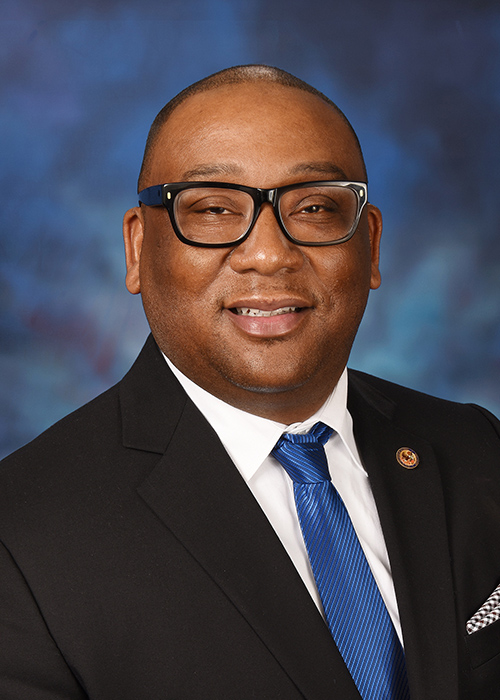
104th Regular Session Introduced by Christopher Belt and 3 co-sponsors

Illinois creates a statewide dual-language framework: SBE to issue guidance by 12/15/2026, weave it into equity planning by 7/1/2029, and establish biliteracy paths by 7/1/2027.

0
WeVote Research Nonpartisan
Bill Summary · HB 3026

Summary — HB 3026 (Public Act 104-0266): Dual Language Education

Status: Enacted (Public Act 104‑0266) — Governor approved 8/15/2025; Effective date 1/1/2026
Primary sponsor: Rep. Abdelnasser Rashid. Senate chief sponsor: Sen. Graciela Guzmán. Co-sponsors: Rep. Hoan Huynh; Sen. Christopher Belt.

Purpose

Adds Article 14D to the Illinois School Code to create a statewide framework for dual language education. The law directs the State Board of Education (SBE) to develop guidance, integrate dual language goals into its equity planning, and establish pre‑high‑school biliteracy recognition pathways.

Key provisions

  • Statewide guidance (Sec. 14D‑5)

    • By December 15, 2026 the SBE must adopt comprehensive guidance for school districts on establishing new dual language programs and expanding existing ones.
    • Guidance must address: (1) program structure; (2) curriculum; (3) instruction; (4) assessment and accountability; (5) staff quality and professional development; (6) family and community engagement; and (7) support and resources.
  • Equity Journey Continuum (Sec. 14D‑10)

    • By July 1, 2029 the SBE must integrate dual language education into its Equity Journey Continuum (the SBE’s comprehensive strategic plan under Section 2‑3.47a).
    • Integration must treat dual language as an essential component of educational equity and include specific provisions for recruitment, professional development, and retention of bilingual educators.
  • Biliteracy recognition (Sec. 14D‑15)

    • By July 1, 2027 the SBE must establish recognition pathways for biliteracy at pre‑high‑school levels.
    • The recognition pathways must include options for: prekindergarten/kindergarten, 5th grade, and 8th grade.
    • School districts may opt in to participate; the SBE may adopt rules to implement this section.

Who is affected

  • State Board of Education: responsible for developing guidance, integrating dual language into equity planning, and creating biliteracy pathways.
  • School districts and schools: will receive statewide guidance and may participate in statewide biliteracy recognition; guidance may influence program design, staffing, curricula, assessments, and family engagement strategies.
  • Students (including English learners) and bilingual educators: likely beneficiaries through expanded/standardized dual language offerings, clearer biliteracy recognition, and focused teacher recruitment/retention supports.
  • Families and communities: guidance emphasizes engagement and culturally relevant curricula.

Implementation timeline (selected)

  • Effective date: January 1, 2026
  • SBE guidance due: December 15, 2026
  • Biliteracy pathways established: July 1, 2027
  • Equity integration into SBE plan: July 1, 2029

Legislative history (high level)

  • Introduced: 2/6/2025 (Rep. Rashid)
  • Passed both houses: 5/22/2025
  • Sent to Governor: 6/20/2025; approved 8/15/2025

Considerations / potential impact

The Act sets a statewide direction but primarily assigns duties to the SBE rather than imposing direct program mandates on districts. Uniform guidance and biliteracy pathways can standardize quality, strengthen supports for bilingual teachers, and promote recognition of bilingual proficiency before high school. Actual expansion of local dual language programs will depend on district decisions, funding, and capacity to implement SBE guidance.

Compiled from official sources — confirm details with the bill’s official record.

Sign in to ask a question.