

WeVote

Bill

Bill

SB 4066

SCH CD-DRIVER ED-TRAFFIC STOPS

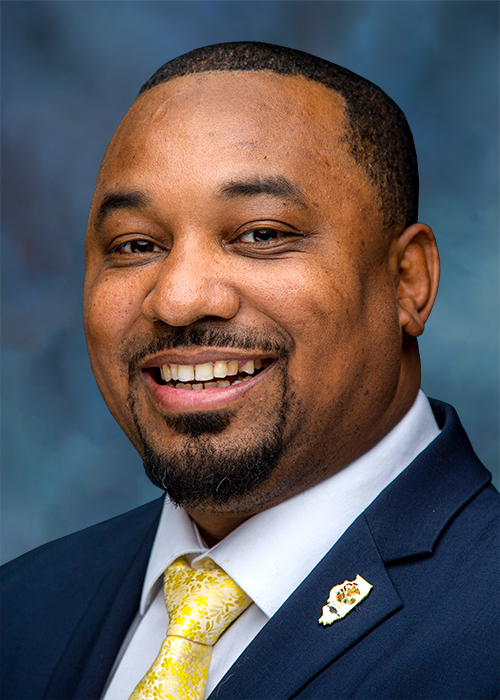
104th Regular Session Introduced by Willie Preston

The bill standardizes driver education in schools and clarifies traffic stop procedures, aiming to improve safety for student drivers and consistency across districts.

Referred to Assignments
0
WeVote Research Nonpartisan
Bill Summary · SB 4066

Summary of SB 4066 (104th Illinois General Assembly)

Purpose and intent

  • The bill appears to address requirements related to driving education and traffic stops within the State of Illinois, with a focus on school (SCH CD) driver education and procedures for traffic stops.
  • Co-sponsor: Willie Preston (indicating bipartisan or cross-chamber interest and support).

Key provisions and changes (proposed)

  • Driver Education in Schools:
    • The bill likely creates or modifies requirements for driver education programs within schools. This could include curriculum standards, instructional hours, or integration of driver education into K-12 or high school coursework.
    • Potential objectives may include improving student safety, reducing traffic incidents involving new drivers, and aligning school-based driver education with state licensing requirements.
  • Traffic Stop Procedures:
    • The legislation may establish or clarify standards and training related to traffic stops, possibly targeting interactions between law enforcement and student drivers or new drivers.
    • Provisions could include recommended practices for student drivers on how to conduct themselves during a stop, or requirements for schools and districts to provide education on lawful stops and rights.
  • Integration and Oversight:
    • The bill could specify oversight mechanisms, reporting requirements, or qualification criteria for entities delivering the driver education program (e.g., school districts, third-party providers).
    • Possible inclusion of assessment or certification processes to ensure program quality and consistency across districts.

Who is affected

  • Students: High school students and other learners enrolled in driver education programs or required coursework.
  • School districts and schools: Entities responsible for delivering driver education curricula and coordinating with state standards.
  • Law enforcement and driver education instructors: Stakeholders involved in training, implementation, and enforcement of any new procedures or protocols.
  • Parents and guardians: Recipients of information about driver education requirements and student progress.

Procedural and timeline aspects

  • Legislative process: As an Illinois bill, it would move through the standard path of committee consideration, floor debate, and either passage by both chambers and the governor’s signature or veto, unless amended.
  • Effective dates: If enacted, the bill would specify effective dates for new requirements (e.g., start of the next school year or a phased-in timeline).
  • Compliance deadlines: Schools and districts may have deadlines to implement curriculum changes, participate in trainings, or report metrics to the state.

Potential impact and considerations

  • Public safety: By strengthening driver education and standardizing traffic stop procedures, the bill aims to improve safety for student drivers and the broader community.
  • Equity and access: Implementation details could address disparities in driver education access across districts.
  • Administrative burden: Schools and law enforcement agencies may need to allocate resources for curriculum development, training, and reporting.

Note: The summary above reflects the general elements one would expect from a bill with the title SCH CD-DRIVER ED-TRAFFIC STOPS. For precise language, exact sections, fiscal impact, and any amendments, please refer to the official bill text and fiscal note from the Illinois General Assembly.

Compiled from official sources — confirm details with the bill’s official record.

Sign in to ask a question.