

WeVote

Bill

Bill

SB 3559

SCH CD-COMPLIANCE COMPLAINT

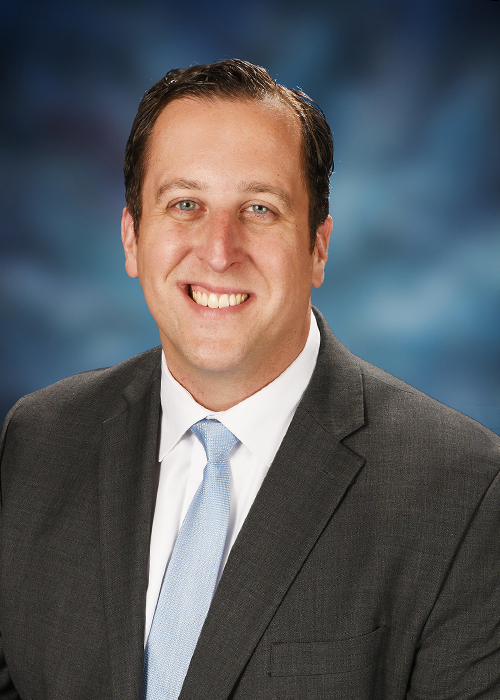
104th Regular Session Introduced by Mike Hastings

Creates a statewide uniform process for investigating and reporting school code violations, with independent investigations, corrective actions, and licensure consequences for obst

Rule 3-9(a) / Re-referred to Assignments
0
WeVote Research Nonpartisan
Bill Summary · SB 3559

Summary of SB3559 (104th General Assembly, Illinois)

Purpose and intent

  • Establish a standardized, statewide process for filing and investigating complaints alleging that a school district, school, or district/school official violated the Illinois School Code or related rules.
  • Create a uniform complaint form and streamline oversight and accountability through regional offices of education (ROEs) and intermediate service centers (ISCs), with independent investigations and the possibility of a state-level appeal.

Key provisions and changes

  • Introduction of a Uniform Compliance Complaint Form:

    • The State Board of Education (SBE) must develop a standardized form to be used statewide.
    • The form must be available on the website of every ROE and ISC.
    • The form allows a complainant to allege violations of the School Code or rules under the purview of ROEs/ISCs.
  • Mandatory independent investigation:

    • Upon receipt of a written and signed complaint using the form, the ROE or ISC must conduct an independent investigation.
    • The investigation must provide an opportunity for the complainant and the district to submit additional information in writing.
    • A written decision must be issued to the complainant within 60 calendar days of receipt.
  • Findings and corrective action:

    • If a violation is found, the ROE/ISC must issue a report requiring the district to develop a corrective action plan.
    • The ROE/ISC must monitor the district’s progress until compliance is achieved.
    • Notice and status of the corrective action plan must be posted on the ROE’s or ISC’s website.
  • accountability for false information or non-cooperation:

    • Any district or school official who knowingly provides false information or refuses to cooperate with the ROE/ISC during the investigation is subject to a hearing regarding the official's professional educator license status, under Article 21B.
  • Appeals:

    • A party to the complaint may appeal the ROE/ISC decision to the State Superintendent of Education within 30 days after the written decision is issued.
  • Rulemaking:

    • The State Board of Education must adopt any rules necessary to implement the section.

Who is affected

  • School districts and schools in Illinois, along with district or school officials and educators.
  • Regional offices of education and intermediate service centers, which would administer investigations, monitor corrective actions, and post statuses.
  • The State Board of Education, which will oversee form development and rulemaking.
  • Complainants (students, parents, guardians, staff, or community members) who file complaints using the Uniform Compliance Complaint Form.
  • State-level authorities (State Superintendent of Education) via the appeal process.

Procedural and timeline aspects

  • Filing: Complaints must be written and signed using the Uniform Compliance Complaint Form.
  • Investigation timeline: The ROE/ISC must issue a written decision within 60 calendar days of receipt.
  • Corrective action: If a violation is found, a corrective action plan must be developed; progress is to be monitored until compliance.
  • Transparency: Status of corrective actions must be posted on ROE/ISC websites.
  • Cooperation and integrity: Violations by district/school officials related to the investigation may trigger hearings on licensure status.
  • Appeals timeline: Appeals to the State Superintendent of Education must be filed within 30 days of the ROE/ISC decision.
  • Implementation: The SBE is responsible for adopting rules necessary to implement the section.

Practical impact

  • Creates a uniform, centralized process to address potential Code or rule violations in Illinois K-12 education.
  • Aims to increase transparency and accountability by standardizing complaint intake, ensuring timely investigations, and publicly reporting progress on corrective actions.
  • Introduces licensure consequences for officials who obstruct or mislead investigations.
  • Provides a statewide pathway to elevate unresolved concerns from local districts to state-level oversight through an appeals mechanism.

Compiled from official sources — confirm details with the bill’s official record.

Sign in to ask a question.