

WeVote

Bill

Bill

S 4851

SCALE Act of 2026

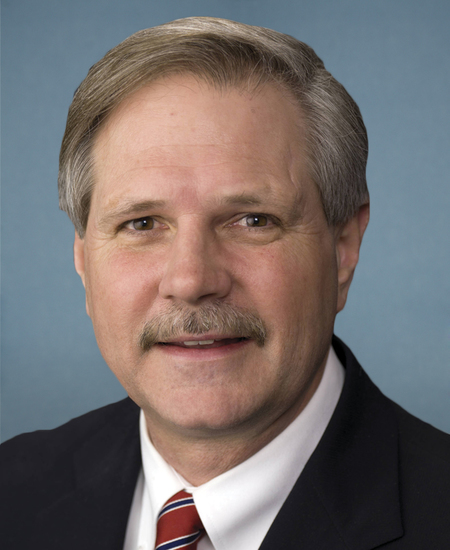
119th Congress Introduced by John Hoeven

The SCALE Act would provide up to $10 million per year for five years to eligible states and tribes to fund soil health and wildlife habitat programs on agricultural land, with per

Introduced in Senate
0
WeVote Research Nonpartisan
Bill Summary · S 4851

Overview

The SCALE Act of 2026 (S. 4851) would amend the Food Security Act of 1985 to create new state and tribal grant programs aimed at improving soil health and wildlife habitat on agricultural land. The bill establishes definitions, criteria, funding, administration rules, and accountability measures for these grants, intended to support local conservation efforts.

Purpose and intent

  • Establish a federal program to provide financial and technical support for state and tribal soil health and wildlife habitat initiatives.
  • Align state and tribal programs with soil health principles (including the use of perennial grasses) and promote habitat improvements on agricultural land.
  • Encourage collaborative, locally driven conservation efforts that supplement, but do not replace, state or tribal investments.

Key provisions

  • Definitions:
    • Agricultural land: includes cropland, grassland, rangeland, pasture, nonindustrial private forest land, and other agricultural areas (e.g., wetlands) as determined by the Secretary.
    • Eligible State: a state implementing a soil health and wildlife habitat program and meeting state-defined performance measures.
    • Eligible Indian Tribe: a tribe implementing a program within its jurisdiction and meeting tribal performance measures.
    • Soil Health and Wildlife Habitat Program: a program improving soil health and wildlife habitat on agricultural land, consistent with NRCS soil health principles and may include components such as technical and financial assistance, on-farm research, education, monitoring, and more.
  • Grants (Section 1240L-2):
    • Availability: Fiscal years 2027–2031.
    • Purpose: grants to eligible states and tribes to implement soil health and wildlife habitat programs.
    • Application: must include performance measures, expected results, and assurance that funds supplement rather than replace existing state/tribal funding.
    • Tribal option: tribes may choose to join a state application.
  • Grant specifics:
    • Maximum grant amount: up to $10,000,000 per fiscal year for a recipient.
    • Term: 5-year grant period, renewable.
    • Matching funds: generally requires a 1:1 state/tribal cash or in-kind match; if a state cannot meet full matching, the Secretary may provide a proportional federal share.
  • Compliance and oversight:
    • Annual audits of grant expenditures are required.
    • Noncompliance can lead to disqualification from future grants for 1 or more years.
  • Funding source and administration:
    • Funds come from the Commodity Credit Corporation, with $50 million allocated per year 2027–2031.
    • Administrative cap: the Department may use up to 3% of program funds for administrative expenses; states/tribes may use up to 7% for administrative purposes.
    • Timelines: grants must be awarded within 180 days of enactment.
    • No conditions or directives: grants cannot be conditioned on Department-wide guidelines or require modification of existing state/local soil health programs.

Who would be affected

  • Eligible States and Eligible Indian Tribes implementing soil health and wildlife habitat programs.
  • Farmers and landowners on agricultural lands who participate in state/tribal programs.
  • Native tribes with jurisdiction over lands where soil health and wildlife habitat improvements are pursued.
  • Federal and state program administrators overseeing grant administration and compliance.

Timeline and procedural notes

  • Introduction and referral in June 2026.
  • Grants available for fiscal years 2027–2031, with funding set at $50 million per year.
  • Federal awards must be issued within 180 days after enactment of the section.
  • Ongoing reporting, auditing, and potential disqualification for noncompliance.

Summary assessment

The SCALE Act seeks to advance local-level soil health and wildlife habitat outcomes by providing substantial, five-year grants to states and tribes, tied to measurable performance outcomes and complemented by technical and educational components. It emphasizes supplementing—not replacing—existing funding, includes governance and accountability provisions, and sets clear funding and administrative parameters.

Compiled from official sources — confirm details with the bill’s official record.

Sign in to ask a question.