

WeVote

Bill

Bill

HR 2176

Saving NEMO Act of 2025

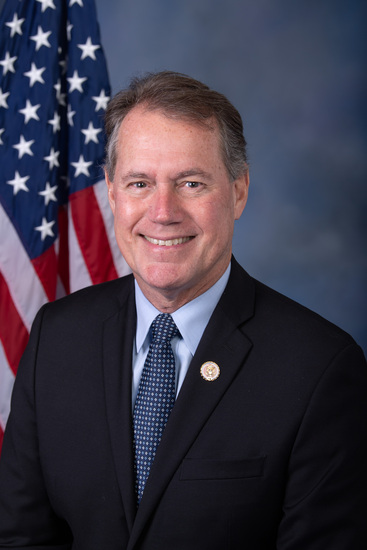
119th Congress Introduced by Ed Case and 2 co-sponsors

HR 2176, Saving NEMO Act of 2025, currently includes only the short title; no substantive policy, funding, or regulatory provisions are defined yet.

Introduced in House
0
WeVote Research Nonpartisan
Bill Summary · HR 2176

Summary of House Bill HR 2176 — Saving NEMO Act of 2025

Overview

  • Bill Number: HR 2176
  • Title: Saving Natural Ecosystems and Marine Organisms Act of 2025 (Saving NEMO Act of 2025)
  • Status: Introduced in the U.S. House of Representatives
  • Introduced: March 18, 2025
  • Primary Sponsor: Ed Case
  • Cosponsors: Eleanor Holmes Norton, Jared Huffman

Purpose and Intent

  • The bill’s introduced form carries the short-title designation “Saving Natural Ecosystems and Marine Organisms Act of 2025” or “Saving NEMO Act of 2025.”
  • Based on the title alone, the bill appears aimed at protecting natural ecosystems and marine organisms, but no substantive policy provisions or legislative text are included in the introduced version provided here. No specific objectives, programs, funding, or regulatory changes are stated in the available content.

Key Provisions (Substance)

  • Available Text: The introduced version content shown consists solely of the short-title clause. There are no detailed provisions, amendments, or regulations disclosed in the provided material.
  • As a result, there is no substantive policy language to summarize (e.g., protections, regulatory bodies, permitting schemes, funding mechanisms, or enforcement provisions).

Who/What Would Be Affected

  • Affected Parties: Not specified in the provided text. In typical environmental/marine-related legislation, potential affected groups could include federal agencies, coastal communities, fisheries, environmental organizations, and industries relying on marine ecosystems. However, there is no explicit description of beneficiaries or burdens in the material available.

Procedural and Timeline Aspects

  • Referral: The bill was referred on March 18, 2025, to the Committee on Natural Resources, and in addition to the Committee on Ways and Means and the Committee on Foreign Affairs, for a period to be determined by the Speaker—i.e., the standard multi-committee referral process for bills with jurisdictional overlap.
  • Next Steps (typical): If the bill progresses, it would usually undergo committee hearings, potential amendments and markup, and, if approved, floor consideration in the House. Once advanced, it would move to the Senate (and potentially to conference if Senate amendments differ).

Sponsorship and Support

  • Primary Sponsor: Ed Case
  • Cosponsors: Eleanor Holmes Norton; Jared Huffman
  • The presence of these sponsors suggests initial support or interest from members with environmental and natural resources policy interests.

Notes for Readers

  • At this stage, there is no actionable policy detail to evaluate or analyze (e.g., specific conservation measures, funding levels, regulatory changes, or timelines).
  • To understand the bill’s real-world impact, readers should monitor for the full text of HR 2176, subsequent committee reports, and any amendments or floor amendments introduced during the legislative process.

Next Steps for Interested Parties

  • Review the full text once released by the House to assess substantive provisions.
  • Track committee hearings and markups in the Natural Resources, Ways and Means, and Foreign Affairs committees.
  • Watch for any amendments, fiscal implications (as indicated by the Ways and Means referral), and potential cross-border or international considerations (as suggested by the Foreign Affairs referral).

Compiled from official sources — confirm details with the bill’s official record.

Sign in to ask a question.