

WeVote

Bill

Bill

HR 8503

Save SNAP Act of 2026

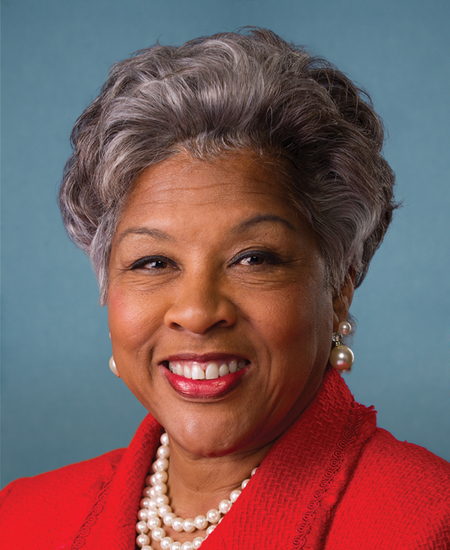
119th Congress Introduced by Joyce Beatty and 3 co-sponsors

The bill creates a hardship exemption that requires the federal government to cover 100% of SNAP allotment costs in any year a state cannot pay its share, bypassing the usual cost-

Introduced in House
0
WeVote Research Nonpartisan
Bill Summary · HR 8503

Summary of Bill: HR 8503 – Save SNAP Act of 2026

Overview

  • Bill Name: Save SNAP Act of 2026
  • Sponsor/Co-sponsors: Rep. Shomari Figures (Introduced for himself and others), with co-sponsors Rep. Joyce Beatty, Rep. Bennie Thompson, and Rep. Terri Sewell
  • Session: 119th Congress, 2nd Session
  • Date Introduced: April 27, 2026
  • Committee Referral: House Committee on Agriculture
  • Major Policy Goal: Ensure that the federal share of the Supplemental Nutrition Assistance Program (SNAP) allotment costs is mandatory for states that cannot pay their share of applicable allotment costs.

What the bill would do (Key Provisions)

  1. Clarifies and Expands Federal Payment Responsibility (Section 2 – Benefit Cost Shift Fairness)

    • Rewrites Section 4(a) of the Food and Nutrition Act of 2008 to create a new exception to the existing cost-sharing framework.
    • General rule (current framework): Typically, states pay a portion (state share) of SNAP allotment costs, with the federal government covering the remainder.
    • New exception (hardship exception):
      • If a State cannot pay its applicable State cost share for any reason, the Secretary of Agriculture must:
      • (i) Pay the full cost of an allotment described in the statute for that fiscal year.
      • (ii) Ensure that the state is not bound by the usual cost-share requirements for that fiscal year.
    • In effect, states facing financial hardship would receive 100% federal funding for the relevant SNAP allotment costs, removing the state cost-share obligation for that year.
  2. Scope of Impact

    • The hardship exception applies specifically to “any fiscal year” in which a state cannot pay its required cost share.
    • The change would apply to the allotment costs described in the law (SNAP allotments), shifting the burden entirely to federal funding when invoked.

Effective Date

  • Effective date: October 1, 2026
  • The act and its amendments would take effect starting Fiscal Year 2027 (assuming standard federal FY dating, contingent on enactment).

Who Is Affected

  • States with SNAP Program funding obligations: States that would otherwise be required to pay a portion of SNAP allotment costs.
  • Department of Agriculture (USDA) / Secretary of Agriculture: Responsible for implementing the hardship exception and funding full allotments in hardship years.
  • SNAP participants: Indirectly affected insofar as SNAP benefits and program administration are funded without interruptions due to state cost-share constraints in hardship years.

Procedural and Timeline Notes

  • Policy Trigger: The hardship exception triggers when a state cannot pay its applicable state cost share for SNAP allotment costs.
  • Future-year Funding: If triggered, the federal government (Secretary) covers the full allotment cost for that fiscal year; the usual state cost-share mechanism would not apply for that year.
  • Legislative Status: Introduced and referred to the House Committee on Agriculture (as of the last action). No floor passage or Senate action details provided in the bill text provided.

Observations

  • The bill aims to provide immediate fiscal relief to states experiencing budgetary difficulties by guaranteeing federal funding coverage for SNAP allotment costs in hardship years.
  • It creates a clear “hardship exception” to the existing cost-share arrangement, ensuring continuity of SNAP funding when state contributions cannot be made.
  • The long-term fiscal impact would depend on how frequently states invoke the hardship exception and the resulting federal cost to the SNAP program.

If you’d like, I can compare this bill’s approach to existing SNAP funding rules or provide a brief fiscal impact projection based on hypothetical hardship scenarios.

Compiled from official sources — confirm details with the bill’s official record.

Sign in to ask a question.