

Bill

BILL • US SENATE

S 667

Safer Shrimp Imports Act

119th Congress
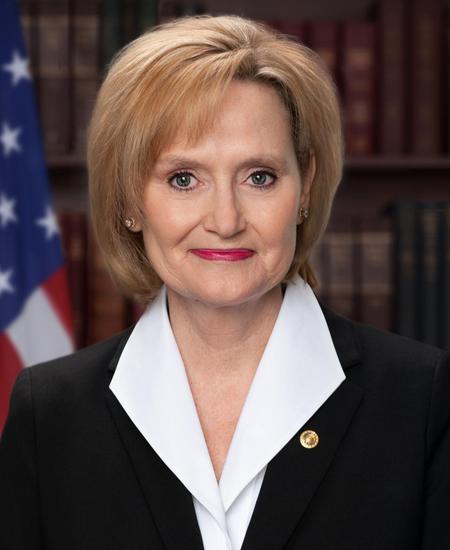
Introduced by Cindy Hyde-Smith,

Bill S 667 allows Massachusetts municipalities to develop projects in Designated Port Areas with alternative compliance, balancing growth and environmental protection through oversight.

Introduced in Senate
0
0
Bill Summary • S 667

Summary of Bill S 667: An Act Providing for Alternative DPA Compliance

Introduction

Bill S 667, introduced on February 27, 2025, by Senator Bruce E. Tarr, aims to establish a framework for alternative compliance with regulations governing Designated Port Authorities (DPA) in the Commonwealth of Massachusetts. This legislation seeks to facilitate development in designated port areas while ensuring environmental integrity.

Main Purpose and Intent

The primary intent of Bill S 667 is to provide municipalities with a pathway to develop projects in Designated Port Areas that may not fully comply with existing regulations under Chapter 21A and Chapter 91. The bill recognizes the need for flexibility in development while maintaining oversight to protect environmental standards.

Key Provisions

  1. Alternative Compliance Framework:

    • The bill amends Chapter 21A of the General Laws by adding Section 5A, allowing the Secretary of Energy and Environmental Affairs, or an appointee, to approve development proposals that do not meet strict compliance with existing laws.
  2. Establishment of a Special Waterfront Development Oversight Commission:

    • A new commission will be formed to oversee and approve development proposals in Designated Port Areas.
    • The commission will consist of seven members, including:
      • One member appointed by the Governor
      • One member appointed by the Secretary of Energy and Environmental Affairs
      • One member appointed by the President of the Senate
      • One member appointed by the Speaker of the House
      • One member appointed by the Senate Minority Leader
      • One member appointed by the House Minority Leader
    • Each member must have expertise in environmental policy, public policy, municipal administration, or economic development.
  3. Criteria Development:

    • The commission will develop criteria for municipalities to seek alternative compliance.
    • Projects that undermine environmental integrity will not be approved.
  4. Legislative Oversight:

    • All approved projects must be submitted to the clerks of the House and Senate and the chairs of the Joint Committee on Municipalities and Regional Government.
    • No project can commence without the approval of the General Court.

Who Would Be Affected

  • Municipalities: Local governments seeking to develop projects in Designated Port Areas will benefit from the alternative compliance pathway.
  • Environmental Stakeholders: The bill aims to balance development needs with environmental protection, impacting organizations and individuals concerned with environmental integrity.
  • State Government: The establishment of the oversight commission will involve various state officials and agencies in the approval process.

Procedural Aspects

  • The bill was referred to the Committee on Environment and Natural Resources on February 27, 2025.
  • A hearing is scheduled for July 1, 2025, from 1:00 PM to 5:00 PM.
  • On November 13, 2025, the bill was accompanied by a study order (see S2718), indicating further legislative review.

Conclusion

Bill S 667 represents a significant step towards providing municipalities with more flexibility in developing projects within Designated Port Areas while ensuring that environmental standards are upheld through a structured oversight process. The establishment of the Special Waterfront Development Oversight Commission is a key component of this legislation, aimed at fostering responsible development in Massachusetts.

Hi! I'm your AI assistant for S 667. I can help you understand its provisions, impacts, and answer any questions.

Key Provisions Impacts Timeline
Sign in to chat