

WeVote

Bill

Bill

S 4305

Safer Prisons Act of 2026

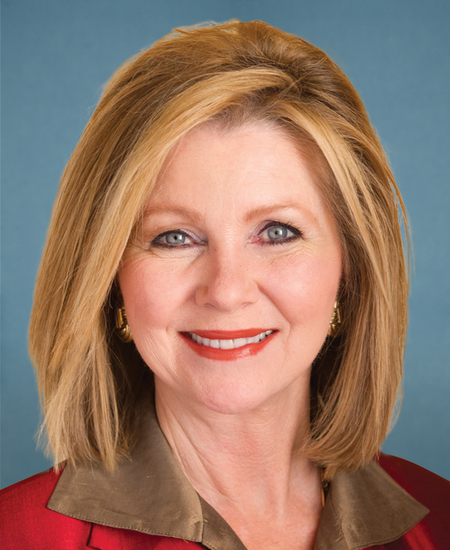
119th Congress Introduced by Marsha Blackburn and 1 co-sponsor

The bill doubles the maximum prison term and increases fines for assaults on Bureau of Prisons correctional officers.

Introduced in Senate
0
WeVote Research Nonpartisan
Bill Summary · S 4305

Summary of Bill: Safer Prisons Act of 2026 (S. 4305)

Basic Information

  • Bill number: S. 4305
  • Session: 119th Congress, 2nd Session
  • Introduced by: Senator Marsha Blackburn (with Senator Tom Cotton as co-sponsor)
  • Introduced date: April 15, 2026
  • Status: Read twice and referred to the Senate Judiciary Committee (as of introduction)
  • Short title: Safer Prisons Act of 2026

Purpose and Intent

The bill seeks to enhance the penalties for assaults against Bureau of Prisons (BOP) correctional officers. The core aim is to provide stiffer criminal consequences in cases involving violent acts against federal prison staff, thereby deterring assaults and improving safety within federal correctional facilities.

Key Provisions

  • Location amended: Section 111 of title 18, United States Code.
  • Structural changes to the statute:
    • Redesignates existing subsection (c) as subsection (d).
    • Adds new subsection (c) immediately after subsection (b) to establish enhanced penalties.
  • Enhanced penalties (for assaults on BOP correctional officers):
    • Penalties: In cases involving assault on a Bureau of Prisons correctional officer, the maximum term of imprisonment under this section is to be doubled.
    • Fines: The maximum fine applicable under this section is to be adjusted accordingly (i.e., increased in line with the doubling of imprisonment; the bill specifies that fines should be increased to reflect the heightened penalty).

Who/What Is Affected

  • Targeted individuals: Federal correctional officers employed by the Bureau of Prisons.
  • Scope of impact: Any violation of 18 U.S.C. § 111 (assault) that involves a BOP correctional officer, resulting in the enhanced penalties established in subsection (c).

Procedural and Timeline Considerations

  • Effective date: The bill text provided does not specify an effective date within the sections shown. Typically, such amendments take effect upon enactment or as otherwise stated in the statute; the exact date would be determined in the final enacted version.
  • Process path: As of the provided text, the bill has been introduced in the Senate and referred to the Judiciary Committee for consideration. If advanced, it would need passage by both chambers of Congress and signing by the President to become law.

Potential Impact

  • Deterrence and safety: By doubling the maximum imprisonment term and increasing fines for assaults on BOP officers, the bill aims to deter violence against prison staff and enhance safety and security within federal facilities.
  • Operational implications: Federal prosecutors would apply the enhanced penalties in qualifying assault cases, potentially increasing sentencing severity for offenders who target correctional officers.
  • Budget/justice system implications: Higher penalties could influence prison crowding timelines and recidivism considerations; specific fiscal effects would depend on subsequent Congressional budgeting and sentencing guidelines.

If you’d like, I can compare this bill to existing 18 U.S.C. § 111 penalties or provide a side-by-side with related legislation addressing inmate or staff safety.

Compiled from official sources — confirm details with the bill’s official record.

Sign in to ask a question.