Summary: Safeguarding Taxpayer Dollars in Child Care Act of 2026 (H.R. 7723)
Date introduced: February 26, 2026 (119th Congress)
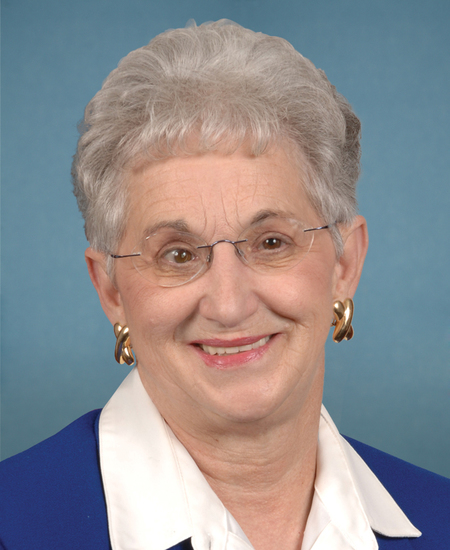
Authoring and sponsors: Rep. Virginia Foxx (R-NC); additional sponsor: Rep. Lelto? (as listed: Ms. Letlow). Referred to the House Committee on Education and the Workforce; amended and reported favorably.
Purpose
- To prevent fraud in two federal child-related nutrition and care programs by expanding debarment authority. The bill aims to ensure that providers found to have committed fraud are permanently barred from receiving funds under both programs, and to close a bidirectional loophole where fraudsters could move between programs to obtain funds.
Key provisions and changes
1) Debarment for fraud in the CCDBG program (Child Care and Development Block Grant)
- Adds a new subsection (3) to the existing 658I(b) in CCDBG.
- Investigative duty: The Secretary of Health and Human Services (HHS) must investigate fraud related to CCDBG funds.
- Debarment: If there is a final determination of fraud against a provider that received CCDBG funds, the provider shall be permanently debarred from receiving CCDBG funds.
- Reciprocal debarment: If a provider has been debarred from the Child and Adult Care Food Program (CACFP) under a related provision, the provider shall also be permanently debarred from CCDBG.
- Final determination of fraud: Defines fraud to include knowingly submitting false statements or documentation, misrepresenting ownership or enrollment, operating without proper licensing, improper expenditure of funds, or other fraud-related conduct under federal or state law.
2) Debarment for fraud in the CACFP program (Child and Adult Care Food Program)
- Amends Section 17(d)(5) of the Richard B. Russell National School Lunch Act to add a new subparagraph (E)—Termination Due to Fraud.
- Ebarment: If participation is terminated due to fraud, the institution or family/group day care home is permanently debarred from CACFP.
- Reciprocal debarment: If debarred from CCDBG, the provider is permanently debarred from CACFP.
- Final determination of fraud: Uses the same fraud definition as in CCDBG (as described above).
3) Cross-program safeguards and definitions
- The bill explicitly links fraud determinations in one program to debarment in the other, aiming to prevent “double-dipping” by fraudulent providers.
- Final determination of fraud: The standard is a determination reached in an administrative order or judicial decision with exhausted or waived rights to review.
Impact and who is affected
- Providers receiving CCDBG funds (child care providers serving eligible families) and providers participating in CACFP would be subject to stricter fraud enforcement.
- If fraud is found, providers could be permanently barred from one or both programs.
- State agencies administering CCDBG and CACFP would implement investigations, determinations, and debarment actions, and would maintain disqualified lists for easy reference by funding authorities.
- The cross-program debarment seeks to reduce improper payments and ensure taxpayer dollars fund legitimate services.
Procedural and timeline notes
- The bill establishes enforcement mechanisms but does not specify new funding or staffing levels for the Secretary; cost estimates were not provided in the report.
- The bill was considered and reported by the Education and Workforce Committee with amendments (notably an amendment in the nature of a substitute addressing technical changes).
- Effective dates for enforcement would follow the enactment and subsequent rulemaking and administrative processes by HHS and relevant agencies (no explicit sunset or phasing schedule is provided in the text available here).
Overall, HR 7723 strengthens accountability by ensuring fraud-identified providers are barred from participating in related federal child care and nutrition programs, thereby safeguarding federal funds and supporting program integrity.