

WeVote

Bill

Bill

HR 1658

SAFE Lending Act of 2025

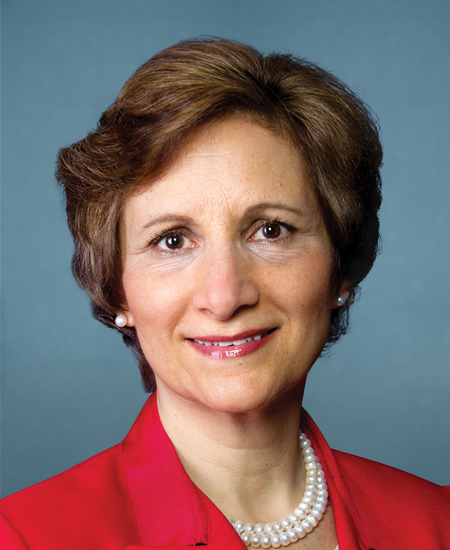
119th Congress Introduced by Suzanne Bonamici and 3 co-sponsors

Establishes a federal framework to curb abuse and fraud in online lending, affecting lenders, fintech platforms, and consumers.

Introduced in House
0
WeVote Research Nonpartisan
Bill Summary · HR 1658

Summary of Bill HR 1658: SAFE Lending Act of 2025

At a glance

  • Official Title: SAFE Lending Act of 2025 (also cited as the Stopping Abuse and Fraud in Electronic Lending Act of 2025)
  • Bill Number: HR 1658
  • Status: Introduced in the U.S. House of Representatives
  • Introduced: February 27, 2025
  • Primary sponsor: Suzanne Bonamici
  • Cosponsors: Pramila Jayapal; Janice D. Schakowsky; Jesús G. García
  • Committee referral: House Committee on Financial Services
  • Related legislation: S 780 (companion bill in the Senate)

Purpose and intent

  • The bill’s official title frames its aim as addressing abuse and fraud in electronic lending. The included language indicates the act is intended to provide congressional framework to curb abusive practices in online or electronic lending markets. The specific provisions, thresholds, enforcement mechanisms, and regulatory changes are not provided in the material available here, so the exact scope cannot be described beyond the intent suggested by the title.

What is known from the bill text (as presented)

  • The only verifiable content provided is the act’s formal name and the alternative citation: “Stopping Abuse and Fraud in Electronic Lending Act of 2025” or “SAFE Lending Act of 2025.”
  • No substantive provisions (e.g., definitions, requirements for lenders, consumer protections, enforcement tools, penalties, or funding) are included in the information given.

Legislative progress to date

  • Introduced in the House and immediately referred to the Committee on Financial Services (February 27, 2025).
  • As with many introduced bills, committee action (markup, hearings, amendments) and floor consideration will depend on the committee’s agenda and staffing, as well as political dynamics.

Who/what would be affected

  • While details are not specified, the bill’s focus suggests potential impacts on:
    • Electronic or online lending platforms and fintech lenders
    • Consumers who participate in online lending markets
    • Regulators and enforcement bodies responsible for overseeing consumer lending practices
    • Entities involved in consumer credit disclosures, underwriting, and fair lending compliance
  • The exact scope (e.g., licensing, disclosures, interest rate restrictions, prohibitions on abusive practices, enforcement penalties) cannot be determined from the available text.

Procedural and timeline notes

  • After introduction, the bill would typically:
    • Be referred to the appropriate committee (here, Financial Services)
    • Undergo committee consideration, potentially including hearings and amendments
    • If reported, proceed to the full House for floor debate and vote
    • If passed, move to the Senate (where a companion S 780 exists) and undergo a parallel process
    • If both chambers pass, a conference committee would reconcile differences prior to final passage and presidential action
  • No specific deadlines or milestones are provided in the available information.

Next steps for readers

  • To understand the bill’s concrete provisions and impact, the full text of HR 1658 and any amendments filed in committee would be needed. Comparing HR 1658 with its Senate companion S 780 could also illuminate aligned policy goals and potential bicameral progress.

If you provide the bill’s actual text or a summary of the provisions, I can deliver a detailed, provision-by-provision analysis.

Compiled from official sources — confirm details with the bill’s official record.

Sign in to ask a question.