

WeVote

Bill

Bill

S 1822

SAFE FOOD Act of 2025

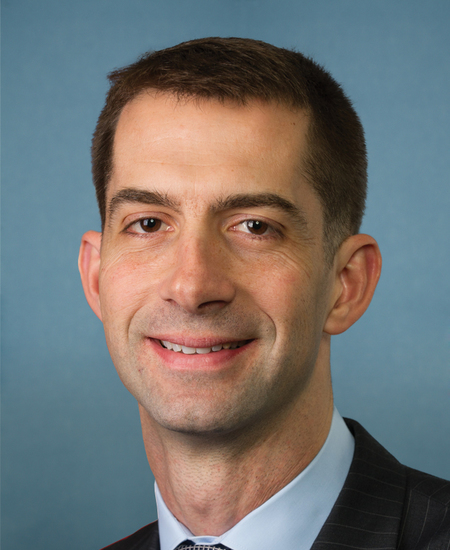
119th Congress Introduced by Tom Cotton and 1 co-sponsor

Bill S 1822 prohibits speech-based defenses in cases of unlawful intimate image sharing, empowering victims to seek justice and enhancing legal accountability for offenders.

Introduced in Senate
0
WeVote Research Nonpartisan
Bill Summary · S 1822

Summary of Bill S 1822

Bill Overview

  • Bill Number: S 1822
  • Title: Prohibits speech-based defenses to actions brought against an individual for the unlawful dissemination of publication of an intimate image
  • Status: Referred to Codes
  • Introduced: January 14, 2025
  • Classification: Bill

Purpose and Intent

The primary purpose of Bill S 1822 is to address the issue of unlawful dissemination of intimate images, commonly referred to as "revenge porn." This legislation aims to strengthen legal protections for individuals whose intimate images are shared without consent by prohibiting defendants from using speech-based defenses in such cases. The intent is to create a more robust legal framework that prioritizes the rights and dignity of victims.

Key Provisions

  • Prohibition of Speech-Based Defenses: The bill explicitly prohibits individuals accused of unlawfully disseminating intimate images from using defenses that rely on freedom of speech or expression. This means that claims asserting a right to share such images based on free speech will not be permissible in court.
  • Legal Accountability: By limiting the defenses available to defendants, the bill seeks to hold individuals more accountable for the unauthorized sharing of intimate images, thereby providing greater protection to victims.

Impact

  • Victims of Intimate Image Abuse: The bill is designed to directly benefit victims of non-consensual image sharing by making it easier for them to pursue legal action without facing defenses that could undermine their claims.
  • Legal System: The legislation may lead to an increase in cases brought to court regarding the unlawful dissemination of intimate images, as victims may feel more empowered to seek justice.
  • Public Awareness: By addressing this issue legislatively, the bill may also raise public awareness about the serious implications of sharing intimate images without consent.

Procedural Aspects

  • Current Status: As of January 14, 2025, the bill has been referred to the Codes Committee for further consideration. The timeline for further legislative action will depend on the committee's review and any subsequent votes in the legislative process.

Related Legislation

  • S 4441: A related bill from the prior session that may address similar issues concerning the dissemination of intimate images.
  • A 318: A companion bill that may provide additional context or provisions related to the unlawful dissemination of intimate images.

This summary provides a clear understanding of Bill S 1822, its objectives, and its potential implications for victims and the legal landscape surrounding the issue of intimate image abuse.

Compiled from official sources — confirm details with the bill’s official record.

Sign in to ask a question.