Bill
Bill Summary · S 3428

Overview

  • Bill: S. 3428 (SAFE Crypto Act)
  • Session: 119th Congress, 1st Session
  • Purpose: Establish a bipartisan, cross-sector Task Force on Recognizing and Averting Cryptocurrency Scams to study, coordinate, and recommend improvements to prevent digital asset scams and enhance law enforcement capabilities.

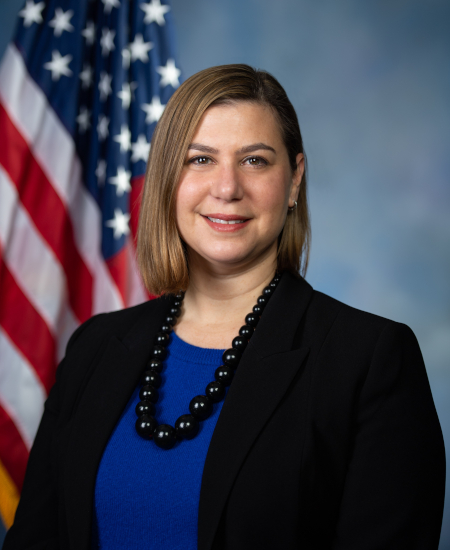
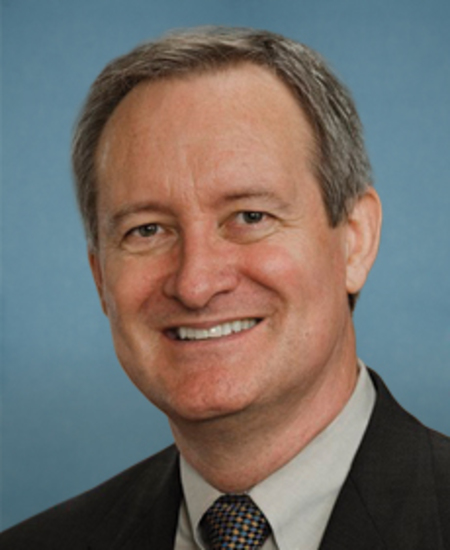
  • Sponsor/Co-sponsors: Sen. Moran (primary) with Sen. Slotkin; cosponsored by Sen. Crapo.

  • Introduction date: December 10, 2025

  • Status in bill text: Referred to the Senate Committee on Banking, Housing, and Urban Affairs.

Main purpose and intended impact

  • Create a dedicated Task Force to identify, prevent, and disrupt scams involving digital assets (cryptocurrency, digital asset intermediaries, and related products).

  • Improve coordination among federal, state, local, and Tribal authorities, industry participants, and victims’ networks to reduce scam incidence and improve recovery.

  • Provide policy and operational recommendations, potentially informing future legislation, regulation, and enforcement strategies.

Key provisions and changes

  • Definitions (Sec. 2)

    • Aligns defined terms with the GENIUS Act for Digital Asset, Digital Asset Service Provider, and Permitted Payment Stablecoin Issuer.
    • Defines the Secretary as the Secretary of the Treasury.
    • Defines the Task Force as established in Sec. 3.
  • Establishment and composition of the Task Force (Sec. 3)

    • Establishment: The Secretary must establish the Task Force within 180 days after enactment.
    • Membership: Chaired by the Secretary (or designee) and includes:
    • Federal officials: Attorney General; Director of FinCEN; Director of the IRS; heads of other relevant agencies as determined.
    • Industry and service providers: Representatives of permitted payment stablecoin issuers; digital asset service providers; digital asset custodians; blockchain intelligence providers.
    • Stakeholders: Representatives of victims, scam support networks, consumer protection groups.
    • Law enforcement: Representatives of federal, state, and local law enforcement.
    • Other industries as needed, and representatives from one or more state bank regulatory authorities.
    • Term and vacancies: Members serve until the Task Force ends; vacancies filled in the same manner as initial appointments.
  • Purposes (Sec. 3, subsections (c))

    • Scam detection and prevention: Analyze trends, develop methods to prevent scams, issue recommendations.
    • Cross-sector approach: Ensure recommendations reflect impacts across financial services, telecom, tech, etc.
    • Stakeholder insight: Include victim-support voices and industry insight into crime networks, ATMs, and prevention strategies (money tracing, etc.).
    • Information sharing and interdiction networks: Promote real-time information sharing and collaboration with digital asset service providers and stablecoin issuers to disrupt on/off-ramp flows linked to illicit activity.
    • Enhanced asset recovery: Coordinate with permitted stablecoin issuers to enable freezing, seizing, burning, or reissuing assets implicated in scams or unlawful conduct, consistent with due process and law.
  • Meetings (Sec. 3, subsection (d))

    • The Task Force must meet at least three times in the first year, with flexibility to meet thereafter via in-person or remote means.
  • Duties (Sec. 3, subsection (e))

    • Review data sources: FBI IC3 database, FTC fraud database, etc.
    • Best practices: Assess methods used by scammers (financial grooming, Ponzi schemes, rug pulls, etc.), and effectiveness of prevention and victim-support mechanisms.
    • International coordination: Compare approaches from other jurisdictions and collaborate internationally to curb scams.
    • Scams and intermediaries: Examine how scams are executed via digital asset intermediaries and develop countermeasures.
    • Education and reporting: Create and promote education programs to help consumers identify and report scams.
    • Law enforcement coordination: Propose strategies to identify and prosecute perpetrators; work with state, local, and Tribal authorities.
    • Stakeholder consultation: Involve financial services providers, other industries, and governmental agencies.
    • Legislative and staffing needs: Evaluate need for additional federal legislation and full-time staff to combat scams.
    • International collaboration: Target criminal networks abroad and coordinate with other governments.
  • Compensation (Sec. 3, subsection (f))

    • Members serve without additional compensation beyond standard federal employee pay.
  • Reporting requirements (Sec. 3, subsection (g))

    • Initial report due within 1 year: Includes results of reviews, identified strategies, legislative/regulatory recommendations, and recommendations to enhance intergovernmental cooperation, data sharing, reporting, and anti-scam training effectiveness.
    • Annual updates: After the initial report, the Task Force must publish yearly updated reports to the same committees and make them publicly available online, detailing progress and ongoing strategies.
  • Applicable law and sunset (Secs. 3, subsecs (h)-(i))

    • The Task Force is not exempt from the Federal personnel rules in Chapter 4 of Title 5 (i.e., it operates outside certain standard federal work rules).
    • Sunset: The Task Force terminates 3 years after it submits the required report.

Who/what would be affected

  • Federal agencies involved in enforcement, finance, taxation, and law enforcement (e.g., Treasury, FBI, FinCEN, IRS, DOJ).
  • Digital asset industry participants: Digital asset service providers, permitted payment stablecoin issuers, digital asset custodians, blockchain intelligence providers.
  • Victims and support networks: Individuals harmed by crypto scams and organizations assisting them.
  • State and local authorities, Tribal governments, and state bank regulators.
  • General public: Consumers and investors would be affected indirectly through improved scam detection, education, and potential enforcement actions.

Procedural and timeline aspects

  • Timeline to establish: Task Force must be created within 180 days of enactment.
  • Meetings: At least three meetings in the first year; ongoing as determined.
  • Reporting timeline:
    • Initial comprehensive report due within 1 year of establishment.
    • Annual updates thereafter.
  • Duration: The Task Force operates for up to 3 years from the date of the initial report, after which it terminates.

Potential implications

  • Increased interagency and industry collaboration on crypto scam enforcement and prevention.
  • Enhanced mechanisms for freezing or recovering digital assets linked to illicit activity, subject to due process and applicable law.
  • Greater emphasis on consumer education and international cooperation to combat cross-border scams.
  • Possible need for new legislation or regulatory adjustments to support expanded information sharing, data harmonization, and resource allocation for enforcement and education.

Hi! I'm your AI assistant for S 3428. I can help you understand its provisions, impacts, and answer any questions.

Key Provisions Impacts Timeline
Sign in to chat

Start the Conversation

Be the first to share your thoughts on this petition. Your voice matters!

Share your opinion above