Summary of HR 5028 - SAFE Act of 2025
Overview
The Security and Accountability For Everyone Act of 2025, commonly referred to as the SAFE Act of 2025, was introduced in the House of Representatives on August 22, 2025. The bill aims to enhance security measures and accountability within various sectors, although specific provisions have not yet been detailed in the introduced version.
Purpose and Intent
The primary intent of the SAFE Act of 2025 is to establish a framework that promotes security and accountability across different domains. While the exact measures are not outlined in the current version, the title suggests a focus on improving safety protocols and ensuring responsible practices in areas that may impact public welfare.
Key Provisions
As of the introduction date, the bill has not yet detailed specific provisions. However, based on the title and legislative intent, it is anticipated that the SAFE Act may include:
- Enhanced Security Measures: Potentially introducing new regulations or standards aimed at improving safety in public spaces, workplaces, or digital environments.
- Accountability Frameworks: Establishing mechanisms to hold organizations or individuals accountable for security breaches or failures to comply with safety regulations.
Further details will likely emerge as the bill progresses through the legislative process.
Affected Parties
The SAFE Act of 2025 is expected to impact a wide range of stakeholders, including:
- Government Agencies: Responsible for implementing and enforcing new security measures.
- Businesses and Organizations: May need to adapt to new regulations and standards to ensure compliance.
- General Public: Individuals may benefit from improved safety protocols in various environments.
Legislative Process
- Introduced: August 22, 2025
- Referred to Committee: The bill has been referred to the House Committee on Oversight and Government Reform for further consideration.
Sponsors
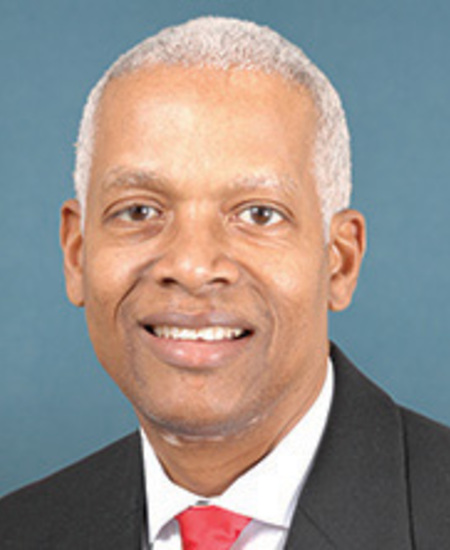
The bill is sponsored by Dave Min and co-sponsored by Henry C. "Hank" Johnson. Their support indicates a bipartisan interest in addressing security and accountability issues.
Conclusion
The SAFE Act of 2025 represents a legislative effort to enhance security and accountability across multiple sectors. As the bill moves through the legislative process, more specific provisions and implications will be clarified, providing a clearer picture of its potential impact on safety and regulatory practices.