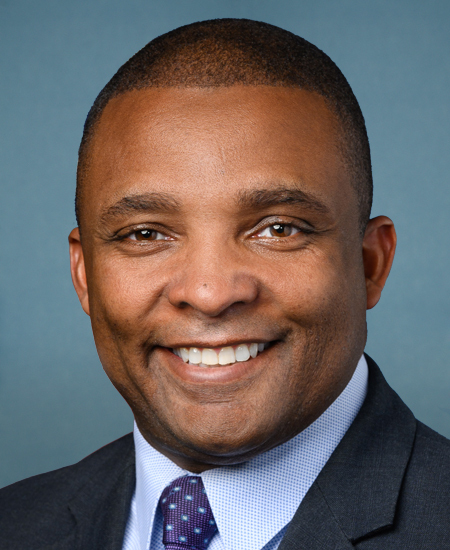
Summary of HR 6433 — Rural Uplift and Revitalization Assistance Act
Overview
- Bill Number: H.R. 6433
- Title: Rural Uplift and Revitalization Assistance Act
- Status: Introduced in the House; referred to the Committee on Agriculture
- Introduced: December 2–4, 2025 (House introduction on Dec. 4, 2025; sponsor remarks noted Dec. 2, 2025)
- Congress: 119th Congress, 1st Session
Purpose and Intent
The bill aims to strengthen rural development by providing targeted technical assistance to geographically underserved and distressed areas. The goal is to enhance local capacity to access and utilize Rural Development programs administered by the U.S. Department of Agriculture (USDA), thereby supporting economic and community vitality in underserved rural communities.
Key Provisions
Technical Assistance and Capacity Building (Section 2(a))
- Within one year after enactment, the Secretary of Agriculture must provide technical assistance directly or through cooperative agreements.
- Focus areas include improving access to USDA rural development programs for local partners.
- Target recipients of the assistance include:
- Local governments
- Cooperatives
- Businesses
- Healthcare facilities and networks
- Community anchor institutions (as defined in section 60302(6) of the Digital Equity Act of 2021)
- Nonprofit organizations
- Geographic focus: geographically underserved and distressed areas.
Annual Reporting (Section 2(b))
- Beginning one year after enactment, the Secretary must annually publish and make publicly available a report.
- The report should describe how the technical assistance affected geographically underserved and distressed areas during the reporting year.
- The Secretary must also submit the report to the House Committee on Agriculture and the Senate Committee on Agriculture, Nutrition, and Forestry.
Definition of Target Areas (Section 2(c))
- A “geographically underserved and distressed area” is a rural area meeting at least one of these criteria:
- In a socially vulnerable community (as determined by the Secretary)
- In a persistent poverty county (as determined by the Secretary)
- In an economically distressed area (as determined by the Secretary)
- Lacks adequate water services, sewer services, or decent housing in any region near the U.S.-Mexico border
Who Would Be Affected
- Direct Beneficiaries: Rural communities and their institutions in underserved or distressed areas, including local governments, cooperatives, small businesses, healthcare facilities and networks, community anchor institutions, and nonprofits.
- USDA Programs: The bill targets improved access and utilization of USDA rural development programs through enhanced technical support and partnerships.
- Public and Stakeholders: The annual public reports would inform Congress and the public about progress and impact in affected areas.
Procedural and Timeline Notes
- Action in Committee: Referred to the House Committee on Agriculture (as of the latest status).
- Timeline: If enacted, the Secretary must begin providing technical assistance within one year of enactment and begin annual reporting one year after enactment.
- No Funding Details: The summary provided does not specify authorizations of appropriations or program funding levels; such details would appear in the bill’s fiscal provisions or accompanying statements.
Observations
- The bill prioritizes capacity-building and accountability by requiring concrete timelines and regular reporting.
- The definitional criteria for underserved and distressed areas emphasize social vulnerability, persistent poverty, economic distress, and infrastructure gaps near international borders, potentially guiding where resources are concentrated.
If you’d like, I can add a side-by-side comparison with existing USDA rural development programs or map the defined criteria to potential real-world communities.