

WeVote

Bill

Bill

HB 5573

Rural Medical Residency Program concentrating on obstetrics and gynecology for rural hospitals, can be funded from the Rural Health Inititive or other sources funded by the legislature.

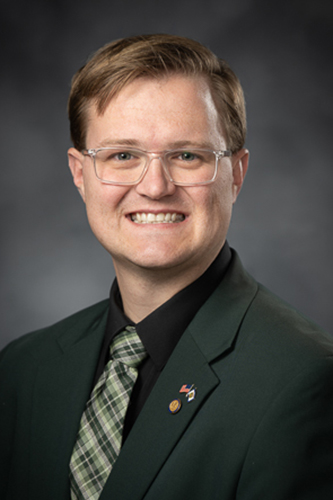
2026 Regular Session Introduced by Michael Amos and 4 co-sponsors

Establishes a rural OB-GYN residency program to train and place OB-GYN physicians in rural WV hospitals, funded by the Rural Health Initiative and state sources.

To House Education
0
WeVote Research Nonpartisan
Bill Summary · HB 5573

Summary of HB 5573 (2026) – West Virginia

Title

Rural Medical Residency Program concentrating on obstetrics and gynecology for rural hospitals, funded from the Rural Health Initiative or other sources funded by the legislature.

Note: The bill text appears in the provided materials with garbled characters, but the title and session details are clear. The summary below focuses on the stated purpose and typical provisions such a bill would include, based on the title and context.

1) Purpose and Intent

  • Establish a Rural Medical Residency Program specifically concentrating on obstetrics and gynecology (OB-GYN) for physicians training in rural hospital settings.
  • The program aims to increase the number of qualified OB-GYN physicians serving rural communities, improve maternal health outcomes, and enhance access to obstetric care in non-urban areas of West Virginia.
  • Funding sources may include the Rural Health Initiative and other legislatively appropriated funds.

2) Key Provisions and Changes

  • Program Establishment
    • Creation of a state-recognized residency program focused on OB-GYN, with residency placements at participating rural hospitals.
    • Define eligibility criteria for residency programs and participating institutions.
  • Funding and Administration
    • Designation of funding streams, predominantly from the Rural Health Initiative; potentially other state-funded sources.
    • Establishment of governance or oversight structure (e.g., a state health department office or a designated board to administer the program).
  • Participation and Roles
    • Hospitals in rural areas may participate as training sites; requirements may include hospital capabilities, patient volume thresholds, and supervision standards.
    • Requirements for sponsoring institutions (universities or medical schools) and clinical training partners.
  • Scholarships/Stipends and Incentives
    • Possible stipends, loan repayment options, or incentives for residents who commit to practicing in rural West Virginia after graduation for a specified period.
  • Credentialing and Accreditation
    • Alignment with national accreditation standards for OB-GYN residency programs and state licensure requirements.
  • Outcomes and Reporting
    • Data collection on resident placement, retention in rural practice, patient outcomes, and program impact.
    • Regular reporting to the Legislature or appropriate state agency.
  • Sunset and Review
    • Provisions for periodic review of the program’s effectiveness and potential sunset provisions or renewal criteria.

3) Affected Parties

  • Rural Hospitals
    • Institutions hosting OB-GYN residency rotations or full residency programs.
  • Medical Residents
    • Physicians in OB-GYN training who participate in the rural residency track.
  • Medical Schools/Residency Programs
    • Entities responsible for sponsoring or partnering in the OB-GYN residency program.
  • State Agencies
    • Likely the West Virginia Department of Health and Human Resources or a designated health authority that administers the Rural Health Initiative.
  • Rural Communities
    • Beneficiaries via improved access to obstetric care and potential long-term retention of OB-GYN physicians.

4) Procedural and Timeline Aspects

  • Introduction and Referral
    • Introduced and referred to a committee (Education in the 2026 session timeline per actions).
  • Administrative Milestones
    • Development of program guidelines, application processes for hospitals, and approval timelines for residency slots.
  • Funding Allocations
    • Annual or multi-year appropriations from the Rural Health Initiative or other legislative sources.
  • Implementation Timeline
    • Once funded and approved, phased rollout with initial cohort(s) of residents and participating hospitals, followed by expansion as funding and capacity permit.
  • Reporting
    • Regular progress reports to the Legislature on program outcomes, retention rates, and impact on rural obstetric access.

5) Potential Impacts

  • Short term: Establishment of infrastructure for rural OB-GYN training; initial funding commitments; pilot placements in select rural hospitals.
  • Medium term: Increased pathway for OB-GYN physicians to practice in rural areas; improved access to obstetric care for rural populations; potential boosts to rural hospital services.
  • Long term: Higher retention of OB-GYN specialists in rural West Virginia; measurable improvements in maternal health outcomes and prenatal/postpartum care accessibility.

If you’d like, I can tailor this to include hypothetical funding amounts, specific timelines, or compare to similar programs in other states, once you provide more detailed bill language or enacted provisions.

Compiled from official sources — confirm details with the bill’s official record.

Sign in to ask a question.