

WeVote

Bill

Bill

S 5224

Runway SAFE-T Act

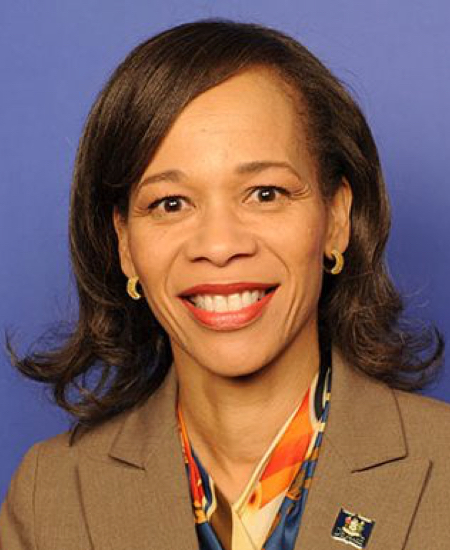
119th Congress Introduced by Lisa Blunt Rochester and 8 co-sponsors

Creates a grant-backed program to modernize movement-area driver training and fund tech-enabled safety tools at Part 139 airports.

Introduced in Senate
0
WeVote Research Nonpartisan
Bill Summary · S 5224

Runway SAFE-T Act — Summary

Purpose and intent

  • Establishes a framework to improve training for airport drivers operating in the movement area (runways, taxiways, and adjacent areas) at commercial service airports.
  • Creates a dedicated task force to develop recommendations for modernizing and standardizing movement-area driver training.
  • Authorizes funding for technology and training-related projects to enhance safety and situational awareness for movement-area personnel.

Key provisions

  1. Short title

    • The act may be cited as the “Runway Surface Awareness and Focused, Effective Training and Technology Act” or the “Runway SAFE-T Act.”
  2. Task Force on Airport Driver Training (Section 2)

    • The FAA Administrator must convene a Task Force within 6 months of enactment.
    • Composition (appointed by the Administrator) includes:
      • Representatives from national airport sponsors/executives and various airport sizes (large-hub, medium-hub, small-hub, nonhub).
      • Three representatives from air carriers and ground handling companies (including fixed-based operators).
      • Experts in aviation training and training technologies.
      • Designees from FAA’s Office of Airports and Air Traffic Organization. ARFF personnel representatives; a NTSB career member serving as an observer; labor representatives with movement-area experience; air medical operators; air traffic control tech specialists; a War Department representative with joint-use military aviation expertise; and other appropriate individuals.
    • Responsibilities:
      • Develop recommendations to enhance and modernize training for personnel authorized to operate vehicles in the movement area at Part 139 airports.
      • Consider: consistency of movement-area driver safety training nationwide, enhanced recurrent training, potential attestation by Part 139 airports or their contractors that personnel meet FAA-approved standards, existing training technologies, and other measures to reduce surface incidents.
      • Evaluate barriers to adopting new training technologies (cost, accessibility, workforce availability) and explore training for paved areas adjacent to movement areas, among other items.
    • Deliverable: A final report with recommendations within 1 year after the Task Force is established, submitted to FAA Administrator and Congress (Senate Commerce Committee and House Transportation & Infrastructure Committee).
  3. Definitions (Section 2)

    • Clarifies key terms: Administrator (FAA), Movement Area, Part 139 airport, Surface Event, Vehicle, and Vehicle-Involved Surface Event, aligning with FAA orders (7050.1B) and existing aviation regulations.
  4. Funding for Vehicle Movement Area Training and Technology (Section 3)

    • Amends 49 U.S.C. § 47115(j) to create a new grant program (Fiscal years 2027–2031) dedicated to movement-area training and technology.
    • Eligible funding mechanism:
      • Grants to airport sponsors for projects described below, in addition to other funding under this subsection.
    • Eligible projects (subparagraph B):
      • Purchase of vehicle movement-area technology (hardware, software, sensors, onboard equipment, displays, communications, geolocation, mapping, situational awareness, simulation systems, etc.) to improve safe operation in the movement area.
      • Acquisition, licensing, deployment, integration, operation, maintenance, and recurring use of technology-enabled training systems, software, and services for movement-area vehicle operators.
    • Priorities (subparagraph C):
      • Reduce vehicle-involved surface events and related safety incidents.
      • Improve situational awareness and radio communications for movement-area operators.
      • Tailor technology to specific airport geometry, signage, markings, lighting, and operating procedures.
      • Consider sponsor-proposed projects that demonstrate cost, accessibility, workforce availability, or other barriers to adoption.
    • Definitions (subparagraph D) mirroring Section 2 for Movement Area, Surface Event, Vehicle, and Vehicle-Involved Surface Event; includes a savings provision ensuring eligibility remains open to other funding sources.
    • Savings provision (subparagraph E): Nothing in this section limits eligibility of a project for funding under other parts of the chapter.

Who is affected

  • FAA and airport operators (Part 139 airports) are the primary implementers.
  • Airport sponsors/authorities, large/mid/small hub and nonhub airports.
  • Vehicle operators and drivers who work in the movement area (ground handlers, airline ground staff, ARFF responders, labor organizations representing such workers).
  • Air carriers, ground-handling companies, and fixed-based operators.
  • Stakeholders in aviation training, air traffic management, ARFF, and potentially military Joint-Use operations at commercial airports.
  • Recipients of grants for vehicle movement-area technology and related training programs.

Procedural and timeline aspects

  • Enactment triggers: Administered by the FAA; Task Force must be convened within 6 months of enactment.
  • Final report due: Within 1 year after the Task Force is established.
  • Funding window: Grants available for fiscal years 2027 through 2031, targeting movement-area training and technology projects.
  • Oversight and legislative reporting: Final recommendations and reporting to relevant committees in the Senate (Committee on Commerce, Science, and Transportation) and the House (Committee on Transportation and Infrastructure).

Potential impact

  • Standardization and improvement of movement-area driver training across airports.
  • Increased use of technology to enhance situational awareness, communications, and safety in high-risk movement areas.
  • Accelerated deployment of cost-effective training tools and surface-automation technology at airports.
  • Potential reduction in vehicle-involved surface events and related incidents through better training and technology-enabled monitoring.

Overall, the Runway SAFE-T Act aims to modernize and harmonize training for airport movement-area drivers and to catalyze investment in technology-enabled training and safety enhancements at Part 139 airports.

Compiled from official sources — confirm details with the bill’s official record.

Sign in to ask a question.