

WeVote

Bill

Bill

S 102

ROOMIE Act

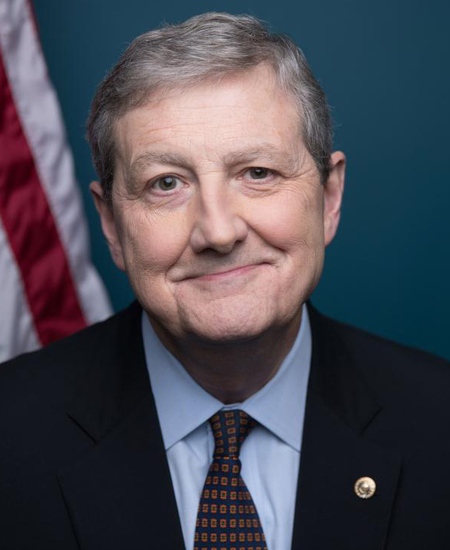
119th Congress Introduced by John Neely Kennedy

ROOMIE Act aims to reinforce occupancy obligations across federal agencies to boost space efficiency and sharpen interagency coordination in federal facilities.

Introduced in Senate
0
WeVote Research Nonpartisan
Bill Summary · S 102

Summary: S. 102 — ROOMIE Act (Reinforce Occupancy Obligations for Maximized Interagency Efficiency Act)

Overview

  • Bill number and title: S. 102, the ROOMIE Act
  • Common name: ROOMIE Act
  • Long title: Reinforce Occupancy Obligations for Maximized Interagency Efficiency Act
  • Status: Introduced in the U.S. Senate
  • Introduced date: January 15, 2025
  • Primary sponsor: Senator John Kennedy
  • Initial action: Read twice and referred to the Senate Committee on Homeland Security and Governmental Affairs on the introduction date

Purpose and intent

  • The bill’s long title suggests a goal of “reinforcing occupancy obligations to maximize interagency efficiency.” While the detailed statutory language is not provided in the available content, the title indicates a focus on occupancy-related requirements within interagency contexts, potentially aiming to improve how federal agencies use space and coordinate occupancy decisions to enhance efficiency.

Key provisions (as of introduction)

  • The text provided does not include the bill’s specific sections, mandates, funding provisions, compliance requirements, or implementation timelines. Consequently, there are no enumerated provisions to summarize beyond the act’s citation and the stated purpose in the title.
  • What is known from the available information:
    • The act has a formal citation: “Reinforce Occupancy Obligations for Maximized Interagency Efficiency Act” (ROOMIE Act).
    • No text on definitions, standards, reporting, funding, or enforcement is included in the provided materials.

Potential impact and who would be affected

  • Based on the title and scope implied by “occupancy obligations” and “interagency efficiency,” the bill would likely affect:
    • Federal agencies and departmental offices responsible for real estate, facilities management, and space allocation
    • Interagency coordination mechanisms related to occupancy planning
    • Facility/property managers and space planners within the federal government
    • Taxpayers and government operations through potential changes in how space is utilized and funded
  • Specific impacts (rates, requirements, or penalties) cannot be stated without the full text of the provisions.

Procedural and timeline aspects

  • Next expected steps (if pursued):
    • Referral to relevant subcommittees or further committees within the Senate
    • Consideration of amendments, hearings, and potential markup
    • Floor consideration and voting in the Senate, and eventual progression through the legislative process
  • Current timeline status: Only the initial introduction and committee referral have occurred to date.

Notes

  • This summary reflects only the information provided. The substantive provisions, requirements, and enforcement mechanisms will become clear once the full bill text is released and publicly analyzed. If you provide the full text or later updates, I can provide a more detailed, provision-by-provision analysis.

Compiled from official sources — confirm details with the bill’s official record.

Sign in to ask a question.