

WeVote

Bill

Bill

HR 9853

Right to Learn Act of 2026

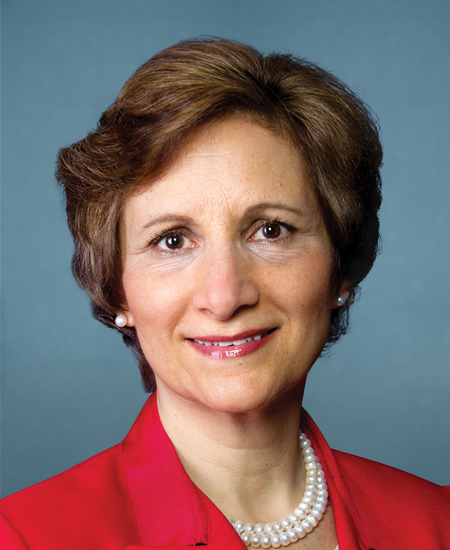
119th Congress Introduced by Suzanne Bonamici and 13 co-sponsors

Creates a federal grant program to help schools support students and staff affected by immigration enforcement, including legal aid, trauma-informed care, and rights education.

Introduced in House
1
WeVote Research Nonpartisan
Bill Summary · HR 9853

Overview

HR 9853, the Right to Learn Act of 2026, is a proposed federal program to establish a competitive grant mechanism to support students, families, and school personnel affected by immigration enforcement actions. The goal is to maintain safe, trauma-informed, and inclusive school environments while providing resources to navigate related challenges, including access to legal information and services.

Main purpose and intent

  • Provide emergency, targeted resources to mitigate the impact of immigration enforcement actions on students, families, and school staff.
  • Ensure schools remain safe and trauma-informed learning environments, with particular attention to “specified individuals” (non-U.S. nationals or households with members who are non-citizens).
  • Affirm the constitutional right to a free public education for all children regardless of immigration status.
  • Reduce absenteeism, disengagement, bullying, and academic decline linked to trauma from immigration enforcement actions.
  • Support educators and staff in addressing the needs of affected students and families.

Key provisions and changes

Definitions (Section 2)

  • Establishes terms used throughout the bill, including:
    • Community-based nonprofit organization
    • Culturally responsive care
    • Early childhood program (Head Start/Early Head Start or licensed/regulated state pre-K programs with federal/state funds)
    • Eligible entity (local educational agency, public school, early childhood program, institution of higher education, community-based nonprofit, or legal service provider)
    • Immigration enforcement action (actions by DHS to enforce immigration laws)
    • Institution of higher education
    • Know Your Rights services (information on legal rights and protections)
    • Legal service provider
    • Local educational agency
    • School personnel (broadly defined to include teachers, counselors, nurses, custodial staff, security, etc.)
    • Specified individual (non-U.S. national or someone with a household member who is non-U.S. national)
    • Trauma-informed practice (care recognizing and addressing trauma experienced by students, families, and staff)

Purposes (Section 3)

  • Five stated purposes, including emergency resources, safe and trauma-informed schools, upholding Plyler v. Doe rights, reducing trauma-related disengagement, and supporting educator response capabilities.

Grant program (Section 4)

  • Secretary of Education must establish a competitive grant program for eligible entities.
  • Grant duration: initial awards up to 3 years, renewable annually based on performance and evaluation.
  • Authorized uses of funds:
    • Student-focused stabilization services:
    • Hire/expand bilingual counselors, trauma-informed staff, school psychologists
    • Emergency assistance (transportation, food, clothing, temporary shelter)
    • Legal service navigation and referrals, including fees related to immigration proceedings
    • In-school mental health services and connections to community mental health providers
    • Curriculum/content on immigrant history and contributions
    • School personnel-focused services and training:
    • Mental health services and peer support for personnel
    • Training on trauma-informed practices, students’ legal rights, and culturally responsive care
    • Crisis response protocols for immigration-related situations
    • Community collaboration and family engagement:
    • Partnerships with legal service providers and immigrant-focused organizations
    • Know Your Rights services, family reunification resources, deportation defense referrals
    • Coordination with local governments and stakeholders to develop or revise school response protocols

Selection criteria and priorities (Section 4)

  • Grants prioritized for:
    • Areas with active migration enforcement actions
    • Populations with high numbers of specified individuals
    • Established partnerships with community-based nonprofits or legal service providers

Oversight, evaluation, and assistance (Section 4)

  • Up to 5% of appropriated funds may be reserved for evaluation, oversight, monitoring, and technical assistance.

Protections and nondiscrimination (Section 5)

  • Data protection: Prohibits requesting, collecting, or disclosing a student’s immigration status, except where required by other federal law or court orders.
  • Data use for grant administration may include non-personally identifiable information to determine needs and populations served.
  • Nondiscrimination: Services cannot be denied or limited based on immigration status.
  • Compliance: Applicants must certify compliance with federal privacy and civil rights laws (e.g., FERPA, Title VI).

Funding (Section 6)

  • Authorization of appropriations: $250 million for each fiscal year 2027 through 2031.

Affected parties

  • Students, families, and school personnel affected by immigration enforcement actions (including specified individuals).
  • Local educational agencies, public schools, early childhood programs, higher education institutions, community-based nonprofit organizations, and legal service providers that administer or participate in grant activities.
  • Legal service providers and organizations involved in Know Your Rights outreach and deportation defense or legal referrals.

Procedural and timeline aspects

  • Introduction and referral: Introduced July 22, 2026, to the House Committee on Education and Workforce.
  • Grant administration: To be carried out by the Secretary of Education; competitive grants awarded for up to 3 years with annual renewals based on performance.
  • Funding window: Authorized appropriations span 2027–2031, suggesting program initiation in fiscal year 2027.

Potential impact

  • Creates a dedicated federal funding stream to stabilize and support students and staff affected by immigration enforcement.
  • Encourages trauma-informed, culturally responsive approaches within schools and communities.
  • Aims to reduce absenteeism, disengagement, and trauma-related academic decline among immigrant students.
  • Strengthens collaboration between schools, legal service providers, and community-based organizations to provide Know Your Rights information and legal support.
  • Establishes safeguards to protect student privacy and prevent status-based discrimination.

Note: As drafted, the bill reflects policy intentions and proposed funding mechanisms; actual impact would depend on final congressional action, implementing regulations, and grant award decisions.

Compiled from official sources — confirm details with the bill’s official record.

Sign in to ask a question.