

WeVote

Bill

Bill

SB 3387

REVENUE-DIRECT DEPOSITS

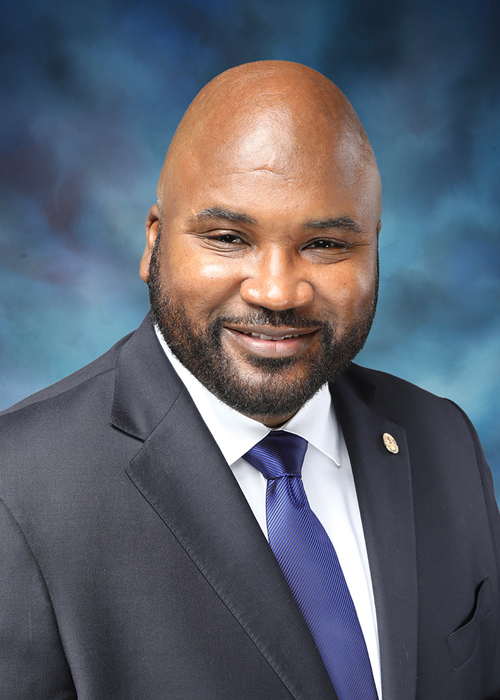
104th Regular Session Introduced by Elgie Sims

The bill directs state payments to recipients via direct deposit, expanding enrollment, with safeguards, outreach, and agency duties to implement and secure deposits.

Rule 3-9(a) / Re-referred to Assignments
0
WeVote Research Nonpartisan
Bill Summary · SB 3387

Illinois SB 3387 (104th Session) – Revenue-DIRECT DEPOSITS

Purpose and intent

  • The bill is titled “REVENUE-DIRECT DEPOSITS” and originates in the Illinois Senate. While full text is not provided here, the bill’s title and the jurisdiction suggest its aim is to modify how certain revenue-related payments are made—specifically by directing deposits to recipients via direct deposit rather than other methods.
  • The sponsor is Sen. Elgie Sims (co-sponsor listed), and the measure has been assigned to the Revenue Committee for consideration.

Key provisions (as indicated by title and procedural status)

  • Direct Deposit Mechanism: Establishes or expands requirements for directing certain state revenue or benefits payments to recipients through direct deposit. This could apply to tax refunds, program benefits, rebates, or other state-initiated payments.
  • Departmental/Agency Roles: Likely assigns or clarifies responsibilities for the relevant state agencies (e.g., Department of Revenue or agencies distributing benefits) to implement, process, and verify direct deposits.
  • Administrative Rules and Implementation: May include timelines, administrative rules, or policy safeguards to ensure accurate enrollment, secure transfers, and privacy protections.
  • Accessibility and Outreach: Potentially mandates outreach to recipients to enroll in direct deposit and to provide alternatives for those without bank accounts (e.g., prepaid options or exceptions).
  • Financial and Administrative Considerations: May address cost implications, budgeting, and IT/system updates required to support direct deposit infrastructure.

Who would be affected

  • Recipients of Illinois state payments that fall under the bill’s scope (e.g., tax refunds, benefits, rebates, or other revenue distributions).
  • State agencies responsible for issuing these payments (likely the Department of Revenue and related program offices).
  • Employers and financial institutions involved in direct deposit processing, as service providers or as intermediaries for recipient accounts.
  • Individuals without traditional bank accounts, if the bill includes alternatives or exemptions for unbanked recipients.

Procedural and timeline aspects

  • Introduction and First Reading: Filed with the Secretary on February 4, 2026; assigned to Assignments.
  • Assigned to Revenue Committee: February 17, 2026.
  • Rule 2-10 Committee deadlines established for subsequent readings:
    • April 24, 2026: Deadline for 2-10 committee action and 3rd reading.
    • May 15, 2026: Additional deadline established for 3rd reading.
    • May 22, 2026: Final 3rd Reading Deadline established.
  • These deadlines indicate active committee consideration during spring 2026 with a potential floor vote before the end of the session cycle, pending committee action and any amendments.

Potential impacts and considerations

  • Efficiency and Timeliness: Direct deposits can reduce processing times and mailing costs, and improve reliability of payments.
  • Access and Equity: Direct deposit requires enrollment; the bill may need to address barriers for unbanked or underbanked recipients by providing alternatives.
  • Security and Privacy: Direct deposit transitions necessitate robust identity verification, fraud prevention, and data protection measures.
  • Fiscal Impact: Initial IT investments and ongoing processing costs versus savings from reduced paper checks and mail handling.
  • Administrative Burden: Agencies may need to streamline workflows, update IT systems, and coordinate with financial institutions.

If you would like, I can compare SB 3387 to current Illinois law on direct deposits or outline questions to ask during committee hearings to clarify scope and fiscal impact.

Compiled from official sources — confirm details with the bill’s official record.

Sign in to ask a question.