

WeVote

Bill

Bill

SB 3773

REVENUE-COMMUNITY DEVELOP

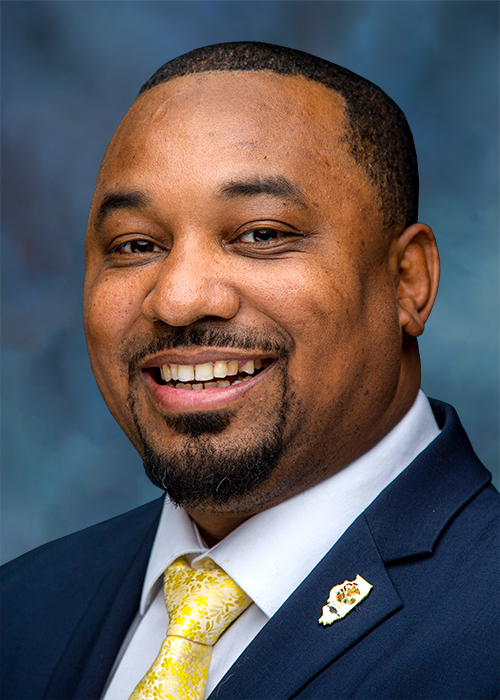
104th Regular Session Introduced by Willie Preston

SB 3773 aims to create or modify revenue tools to fund and stimulate Illinois community development through designated funds, governance, and oversight.

Referred to Assignments
0
WeVote Research Nonpartisan
Bill Summary · SB 3773

Overview

SB 3773 (Session 104th, Illinois) is a revenue-related measure titled “Revenue-Community Develop.” The bill was filed on February 5, 2026, by Senator Willie Preston (co-sponsored by Senator Preston). It has been referred to the Assignments group and has not yet advanced to other committees or readings beyond the initial action.

Main Purpose and Intent

  • The bill appears to aim at establishing or modifying revenue tools to support community development efforts within Illinois. While the specific text of provisions is not provided here, the title and context suggest a focus on revenue mechanisms—such as taxes, fees, or incentives—that would fund or stimulate community development projects.

Key Provisions and Changes (as inferred)

  • Revenue Mechanisms: Likely creates, expands, or alters financial instruments or revenue streams to support community development initiatives. This could include:

    • New or modified taxes/fees earmarked for development projects.
    • Allocation rules for specific revenue streams to designated community development accounts or funds.
    • Incentives or credits to encourage private investment in community development.
  • Allocation and Use of Funds: Provisions may specify how revenues are collected, what portion is dedicated to community development, and how funds are disbursed (e.g., grantmaking, subsidies, loans, or public works).

  • Governance and Oversight: Possible creation or designation of a governing body, board, or agency responsible for administering the revenues and ensuring compliance with program criteria.

  • Accountability and Reporting: Requirements for annual reports, audit provisions, and public transparency regarding fund balances, expenditures, and project outcomes.

Who and What Would Be Affected

  • Local Governments and Municipalities: If revenues are tied to local development, towns, cities, and counties could be affected by new funding streams or allocation formulas.

  • Developers and Property Owners: Investors and developers may be impacted by new incentives, taxes, or fees intended to promote development projects.

  • State Agencies: Departments responsible for tax administration, revenue collection, and economic development may implement and oversee the new revenue mechanisms.

  • General Public/Taxpayers: The ultimate beneficiaries or impacts would depend on how revenues are raised and used; potential effects include changes in tax burdens and availability of funds for community programs.

Procedural and Timeline Aspects

  • Filing and First Reading: SB 3773 was filed on February 5, 2026, and received its first reading on the same day.

  • Referral: The bill was referred to Assignments, which typically determines the next steps and committee assignments for consideration.

  • Next Steps (typical for similar bills): If advanced, it would proceed to relevant committees (e.g., revenue, public finance, or housing/economic development committees), with opportunities for hearings, amendments, and floor debate before potential passage by the Senate and subsequent passage by the House (if applicable in this jurisdiction).

Notes

  • Details on the exact fiscal impact, revenue amounts, eligible projects, and implementation timeline are not provided in the available information. A full reading of the bill text is needed to prepare a precise, line-by-line summary of provisions, fiscal impact statements, and implementation schedules.

If you’d like, I can tailor the summary further once the bill’s full text becomes available or share a comparison with similar revenue-for-development bills in Illinois.

Compiled from official sources — confirm details with the bill’s official record.

Sign in to ask a question.