

WeVote

Bill

Bill

SB 198

restrict the use of a cell phone by a student during the school day.

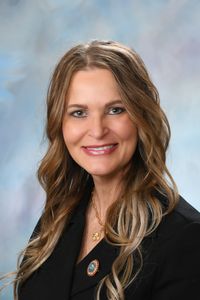
2026 Regular Session Introduced by Bobbi Andera and 6 co-sponsors

SB 198 bans student cell phone use during instructional time unless for medical/educational accommodations or emergencies, with districts defining disciplinary actions.

House of Representatives Do Pass Amended , Passed, YEAS 28, NAYS 39 H.J. 524
0
WeVote Research Nonpartisan
Bill Summary · SB 198

Summary of SB 198 (South Dakota, 2026 Session)

Purpose and Intent

  • SB 198 proposes to restrict the use of cellular phones by students during instructional time within the school day.
  • The measure aims to standardize cell phone use policy across school districts and empower districts to enforce disciplinary actions for noncompliance.

Key Provisions and Changes

  • Scope of prohibition: With limited exceptions, a student may not use a cell phone during the school day as defined by the local school district board under SD codified authority (Chapter 13-32, referenced by § 13-26-1).
  • Exceptions to the ban:
    1. Cell phone use is part of an approved medical or educational accommodation.
    2. Cell phone use is required during an emergency affecting the health, safety, or well-being of a student or a staff member.
  • School district policy requirement: Each school district board must adopt a policy detailing the disciplinary actions for students who do not comply with the cell phone use prohibition.
  • Authority and implementation: The policy specifics and enforcement are delegated to local school boards, enabling district-level tailoring within the framework of the bill.

Who/What Is Affected

  • Students: Primary audience; their day-to-day cell phone usage during instructional time would be restricted.
  • School districts/schools: Responsible for implementing the policy, defining what constitutes noncompliance, and determining disciplinary actions.
  • Staff/administrators: Enforce policy, monitor compliance, and apply district-defined disciplinary measures.

Procedural and Timeline Aspects

  • The measure builds on existing authority of school boards to regulate instructional time and student conduct.
  • Policy adoption is required at the district level; the bill does not specify a uniform statewide disciplinary framework beyond the directive that districts establish their own disciplinary actions.
  • The bill underwent multiple committee and chamber actions during the 2026 session, including amendments (notably Amendment 198A) and multiple readings before potential enactment. The legislative history indicates active consideration and processing through both the Senate and House with timelines aligned to the 2026 session.

Additional Context

  • Sponsors: Lead sponsor Senator Chris Karr, with several co-sponsors including Bobbi Andera, Carl Perry, Curt Voight, Liz Larson, Les Heinemann, and Taylor Rehfeldt.
  • Impact considerations (potential):
    • Could reduce classroom distractions and improve instructional time.
    • Places the onus of enforcement on local districts, which may lead to variation in disciplinary practices.
    • Provides for exceptions in medical/educational accommodations and emergencies, ensuring allowances for legitimate needs.

If you’d like, I can tailor this summary to a specific audience (e.g., school administrators, parents, or policymakers) or add a brief comparison with existing district policies on cell phone use.

Compiled from official sources — confirm details with the bill’s official record.

Sign in to ask a question.