

WeVote

Bill

Bill

HR 7264

Restoring America’s Floodplains Act

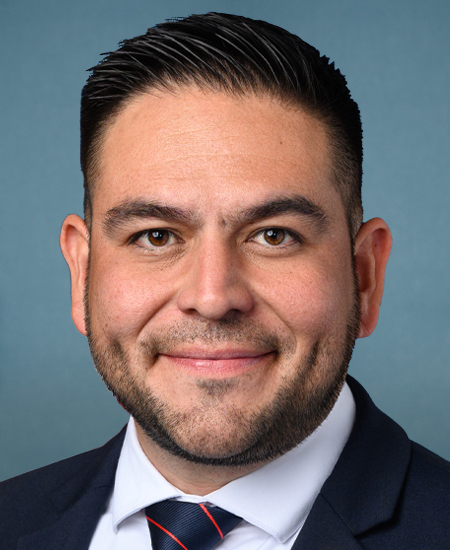
119th Congress Introduced by Gabe Vasquez

The bill funds and guides federal efforts to restore floodplains to reduce floods, improve water quality, and boost habitat and resilience.

Referred to the Subcommittee on Conservation, Research, and Biotechnology.
0
WeVote Research Nonpartisan
Bill Summary · HR 7264

Overview

Restoring America’s Floodplains Act (HR 7264) is a U.S. House bill introduced in the 119th Congress. The legislation aims to conserve and restore floodplains to reduce flood risk, improve habitat, and support water quality and biodiversity. The bill has at least one named sponsor and a co-sponsor, and it has undergone referral to multiple committees/subcommittees for consideration.

Primary purpose and intent

  • Promote restoration and protection of floodplains across the United States.
  • Use floodplain restoration as a tool to mitigate flooding, enhance resilience to extreme weather, and support ecological health.
  • Potentially streamline or authorize federal actions, incentives, or collaborations with states, tribes, and private stakeholders to restore floodplain functions.

Key provisions and changes (as described by the bill’s text and common legislative framing)

  • Authorization or establishment of programs or criteria to identify, prioritize, and implement floodplain restoration projects.
  • Mechanisms for funding, grants, or federal support to restore degraded floodplain lands and reconnect rivers to their floodplains.
  • Standards or guidelines to ensure projects protect or improve water quality, wildlife habitat, and ecosystem services.
  • Coordination with federal agencies (e.g., environmental, agricultural, and natural resources agencies) to align floodplain restoration with other conservation and land-use policies.
  • Consideration of climate resilience and flood hazard mitigation in project selection and design.
  • Reporting or accountability measures to track project progress, outcomes, and funding effectiveness.

Note: The bill text would specify exact program authorities, eligible recipients, funding ceilings, project criteria, and oversight provisions. The summary here reflects typical elements included in floodplain restoration legislation and the bill’s stated purpose to restore floodplain function.

Who or what would be affected

  • Federal agencies involved in land and water resources, conservation, and agriculture.
  • State and local governments implementing floodplain or river restoration projects.
  • Tribes, non-governmental organizations, and private landowners engaging in restoration activities.
  • Communities in flood-prone areas that could benefit from reduced flood risk, improved water quality, and enhanced habitat.
  • Ecosystems dependent on floodplain dynamics (wetlands, floodplain forests, rivers).

Procedural and timeline aspects

  • Introduced in the House and assigned to the Committee on Agriculture.
  • Subsequently referred to the Subcommittee on Conservation, Research, and Biotechnology for detailed examination and markup.
  • The process may involve hearings, amendments, and votes in the committee and subcommittee before moving to the full House, and potentially to the Senate.
  • Key dates already in the record: introduction and initial referrals occurred in January 2026, with subcommittee referral in March 2026.

Potential impacts and considerations

  • Could increase federal support for floodplain restoration projects and align restoration with broader climate resilience goals.
  • May create or expand funding streams (grants, partnerships) for landowners and local governments pursuing floodplain work.
  • Implementation outcomes depend on final statutory text, funding levels, and interagency collaboration.
  • Environmental review requirements and compliance with existing environmental laws (e.g., NEPA, Clean Water Act) would shape project execution.

If you’d like, I can tailor this summary to emphasize particular sections (funding, eligibility, or oversight) once the bill’s official text is available.

Compiled from official sources — confirm details with the bill’s official record.

Sign in to ask a question.