

WeVote

Bill

Bill

SF 4882

Responsible social services agencies requirement to provide luggage for children in foster care

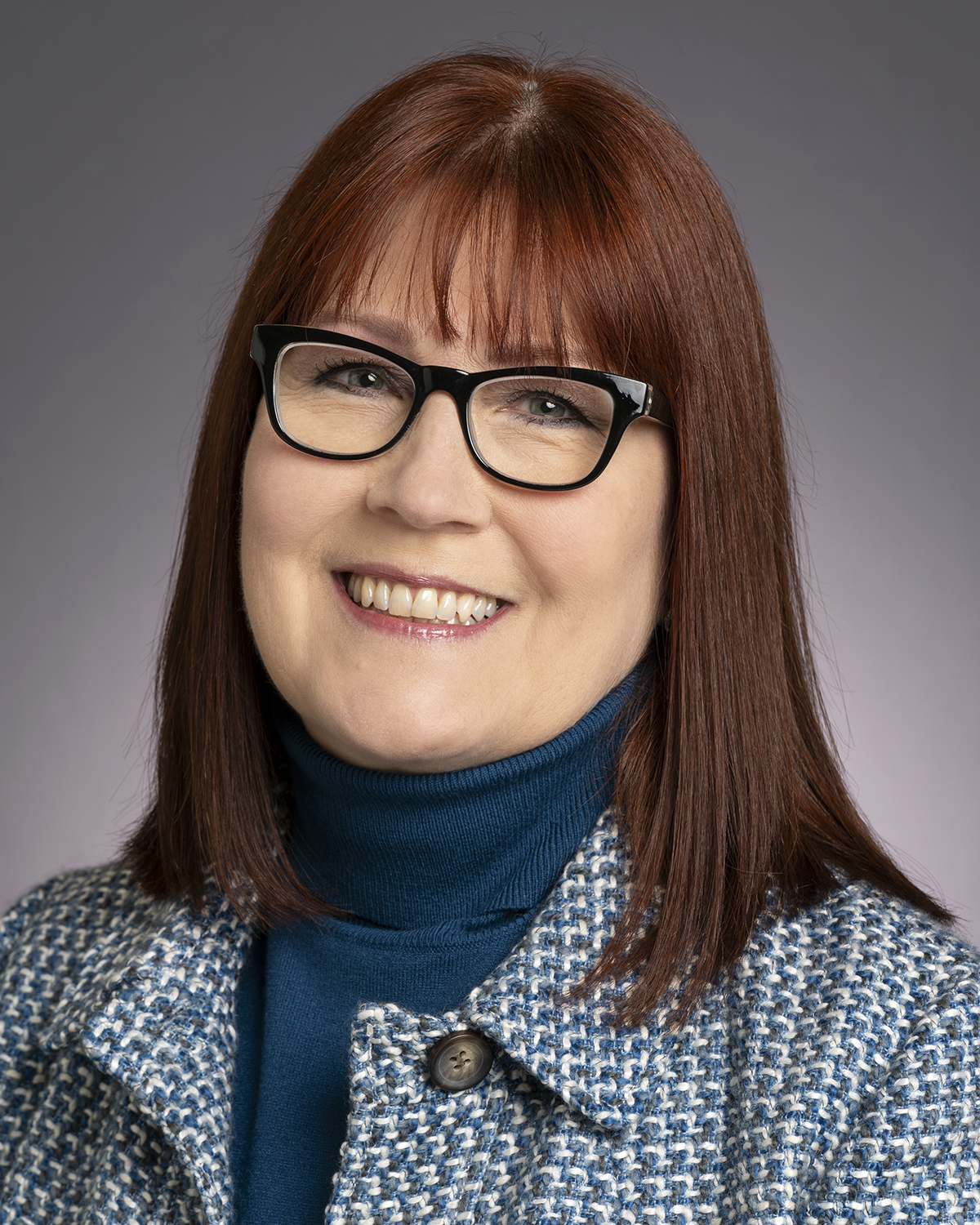
2025-2026 Regular Session Introduced by Bonnie Westlin

Social services agencies would be required to provide luggage to children entering foster care, ensuring timely, durable bags for their personal belongings.

Referred to Health and Human Services
0
WeVote Research Nonpartisan
Bill Summary · SF 4882

Summary: SF 4882 (Minnesota, 2025-2026 Session)

Bill Title: Responsible social services agencies requirement to provide luggage for children in foster care

Purpose and Intent

SF 4882 seeks to ensure that children entering foster care are provided with a suitable bag or luggage to transport their personal belongings. The bill places a responsibility on social services agencies to supply luggage, aiming to improve the dignity, safety, and consistency of care for children who transition into foster placements.

Key Provisions and Changes

  • New Obligation for Agencies: Social services agencies would be required to provide luggage (e.g., bags or suitcases) to children who enter foster care to carry their personal items.
  • Standards for Luggage: The bill likely establishes basic standards for the luggage (e.g., durability, size appropriateness, and security) to ensure it is functional for the child’s needs. (Exact specifications would be detailed in the bill’s text.)
  • Timing of Provision: Luggage would be supplied at or near the time of placement or intake into foster care to minimize delays in securing the child’s belongings.
  • Funding and Resources: The bill would address funding sources or reimbursement mechanisms for purchasing luggage. This could involve state funds, appropriations, or allocations within child welfare budgets. (Specific funding mechanisms would be described in the enacted text.)
  • Record-Keeping and Compliance: Agencies may be required to maintain records demonstrating compliance, including inventory of provided luggage and distribution timelines.
  • Coordination with Other Programs: The measure could specify coordination with existing foster care programs, transition services, or case management teams to ensure timely provision.

Who Would Be Affected

  • Primary: Minnesota social services agencies and child protective or foster care administration responsible for intake and placement of children.
  • Secondary: Foster children entering care would directly benefit from having appropriate luggage; families and foster caregivers may experience improved transition processes and reduced burden in acquiring personal belongings for the child.
  • Administrative/Operational: Agency staff involved in intake, placement, procurement, and case management would be tasked with implementing the new requirement.

Procedural and Timeline Aspects

  • Introductory Status: Introduced and read for the first time on 2026-03-26.
  • Referral: Referred to the Health and Human Services committee on 2026-03-26.
  • Sponsor: Co-sponsor listed as Bonnie Westlin.
  • Next Steps: The bill would proceed through committee consideration, potential amendments, and, if approved, move to the floor for further votes. The exact timeline would depend on committee action, scheduling, and broader legislative priorities.

Potential Impact and Considerations

  • Beneficiaries: Improved dignity and stability for children entering foster care; potential reduction in delays associated with securing personal belongings.
  • Operational Impact: Additional procurement and record-keeping responsibilities for agencies; initial and ongoing funding considerations.
  • Equity and Consistency: Standardizing the provision of luggage could reduce variability in how children are supported during placement transitions.

If you’d like, I can tailor this summary to include the exact statutory language, anticipated funding amounts, and a crosswalk to related child welfare policies once the bill text is available.

Compiled from official sources — confirm details with the bill’s official record.

Sign in to ask a question.