

WeVote

Bill

Bill

S 483

Responsibility in Drug Advertising Act of 2025

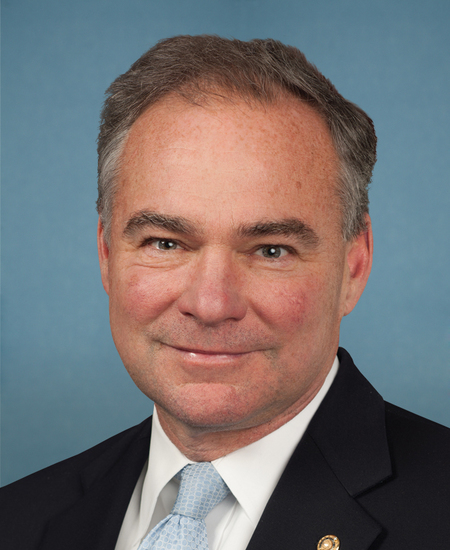
119th Congress Introduced by Tim Kaine and 2 co-sponsors

Bill S 483 aims to reform the state parole board by enhancing diversity and qualifications, improving accountability, and better addressing the needs of victims and communities.

Introduced in Senate
0
WeVote Research Nonpartisan
Bill Summary · S 483

Summary of Bill S 483: Membership on the State Board of Parole

Bill Number: S 483
Title: Relates to membership on the state board of parole
Status: Referred to Crime Victims, Crime and Correction
Introduced: January 08, 2025
Classification: Bill

Purpose and Intent

Bill S 483 aims to amend the current structure and membership criteria of the state board of parole. The primary intent of this legislation is to enhance the effectiveness and accountability of the parole process, ensuring that the board reflects a diverse range of experiences and perspectives.

Key Provisions

While the specific text of the bill is not provided, the following key provisions are typically associated with such legislative efforts:

  • Membership Composition: The bill may propose changes to the number of members on the state board of parole, potentially increasing or decreasing the total count to better align with current needs.

  • Qualifications for Members: It is likely that the bill will outline specific qualifications for board members, which may include professional backgrounds in criminal justice, social work, or victim advocacy.

  • Diversity Requirements: The legislation may include mandates for diversity among board members to ensure representation from various demographic groups, including but not limited to race, gender, and socioeconomic status.

  • Training and Standards: The bill could establish new training requirements for board members to ensure they are well-equipped to make informed decisions regarding parole.

Who Would Be Affected

  • Parole Board Members: Current and future members of the state board of parole would be directly impacted by any changes to membership criteria and qualifications.

  • Incarcerated Individuals: Those eligible for parole would be affected by the decisions made by a potentially restructured board, which may influence their chances of being granted parole.

  • Victims and Communities: The changes could also impact victims of crime and their communities by ensuring that the parole process considers their perspectives and concerns more thoroughly.

Procedural Aspects

  • Current Status: As of January 8, 2025, the bill has been referred to the Committee on Crime Victims, Crime and Correction for further consideration.

  • Related Legislation: This bill is related to previous legislative efforts, including:

    • S 7564 (prior-session)
    • S 4986 (prior-session)
    • A 4441 (companion bill)

These related bills may provide context or additional insights into the legislative intent and potential implications of S 483.

Conclusion

Bill S 483 represents a significant step towards reforming the state board of parole by potentially altering its membership structure and qualifications. By focusing on diversity and expertise, the bill seeks to improve the parole process, ultimately benefiting both individuals seeking parole and the communities affected by their reintegration. Further developments will be monitored as the bill progresses through the legislative process.

Compiled from official sources — confirm details with the bill’s official record.

Sign in to ask a question.