

WeVote

Bill

Bill

HB 2378

Requiring a syringe service program to be affiliated with a local health department

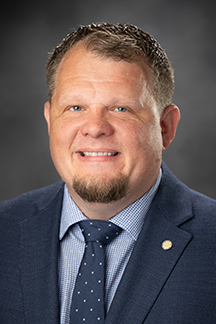
2025 Regular Session Introduced by Ryan Browning and 5 co-sponsors

House Bill 2378 makes syringe services programs illegal unless affiliated with local health departments, impacting users and requiring compliance or facing penalties.

Markup Discussion
0
WeVote Research Nonpartisan
Bill Summary · HB 2378

Summary of House Bill 2378

Bill Information

  • Bill Number: HB 2378
  • Title: Requiring a syringe service program to be affiliated with a local health department
  • Status: Markup Discussion
  • Introduced: February 14, 2025
  • Classification: Bill
  • Subject: Health, Public Safety

Purpose and Intent

House Bill 2378 aims to amend existing laws regarding syringe services programs in West Virginia. The primary intent of the bill is to make syringe services programs unlawful unless they are affiliated with a local health department. The bill seeks to regulate harm reduction services while ensuring public health and safety.

Key Provisions

The bill includes several significant changes to the current framework governing syringe services programs:

  1. Unlawfulness of Syringe Services Programs:

    • Syringe services programs will be deemed unlawful in West Virginia. Operators must cease operations by the effective date of the bill.
  2. Administrative Transition Period:

    • Existing syringe services programs may continue to operate for a 120-day administrative transition period to assist patients in transitioning to other care options. However, no syringe exchange services can be provided during this time.
  3. Harm Reduction Services:

    • While syringe services programs will be illegal, harm reduction services that do not involve syringe exchange may continue to operate. These services include referrals to substance use disorder treatment, education on overdose prevention, and other medical services.
  4. Licensing Requirements:

    • All syringe services programs, if they are to be licensed, must obtain a license from the Office for Health Facility Licensure and Certification. This includes:
      • Submission of an application.
      • Description of harm reduction services.
      • Evidence of affiliation with a local health department if not operated by one.
      • Payment of an application fee not exceeding $500.
  5. Penalties for Noncompliance:

    • Operators who continue to run syringe services programs after the effective date will face civil penalties of up to $2,500 per day. The Office for Health Facilities Licensure and Certification may also seek injunctive relief to enforce compliance.

Affected Parties

  • Syringe Services Programs: All existing and new programs will be impacted, particularly those not affiliated with local health departments.
  • Local Health Departments: They will play a crucial role in the licensing and oversight of any syringe services programs that may continue under the new regulations.
  • Individuals Using Syringe Services: Patients currently relying on syringe services will need to transition to alternative care options.

Procedural Timeline

  • February 14, 2025: Bill introduced and referred to the Committee on Health and Human Resources, then to the Judiciary.
  • March 5, 2025: First markup discussion held.
  • March 10, 2025: Committee substitute reported.
  • March 18, 2025: Ongoing markup discussion.

Conclusion

House Bill 2378 represents a significant shift in the regulation of syringe services programs in West Virginia, emphasizing the need for local health department affiliation and the prohibition of syringe exchanges. The bill aims to balance harm reduction efforts with public health safety, while imposing strict penalties for noncompliance.

Compiled from official sources — confirm details with the bill’s official record.

Sign in to ask a question.