

WeVote

Bill

Bill

A 4232

Requires utility companies to reimburse consumers in the event of a prolonged power outage

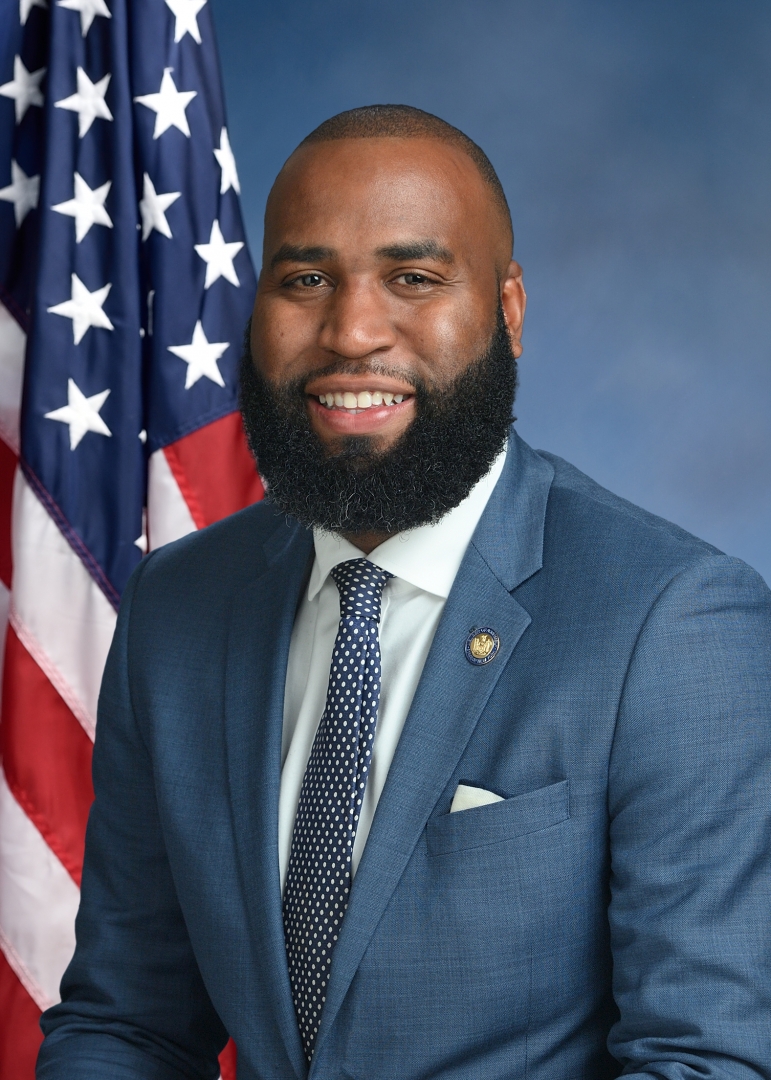
2025 Regular Session Introduced by Brian Cunningham

Requires utility companies to reimburse consumers after prolonged power outages (credits/refunds), delivering financial relief to households and businesses and guiding oversight.

REFERRED TO ENERGY
0
WeVote Research Nonpartisan
Bill Summary · A 4232

Summary of Bill A 4232

Overview

  • Bill: A 4232
  • Title: Requires utility companies to reimburse consumers in the event of a prolonged power outage
  • Status: Referred to Energy (as of January 31, 2025)
  • Introduced: January 31, 2025
  • Primary Sponsor: Brian Cunningham
  • Companion/Related Bills: S 1846 (companion), plus prior-session bills S 8523, S 8879, S 3784, A 7589

Note: The summary below focuses on the bill’s stated purpose based on the title and status provided. The full text would clarify definitions, scope, and implementation details.

Purpose and intent

  • The bill seeks to obligate utility companies to reimburse consumers during prolonged power outages. The core intent appears to be providing financial relief to customers adversely affected by extended outages, potentially as a form of compensation or credit against future bills.

Key provisions (as implied by the bill’s title)

  • The bill would mandate utilities to issue reimbursements to eligible consumers after outages exceeding a specified duration or threshold defined in the legislation.
  • Reimbursement mechanisms could involve direct credits to customers’ utility bills, refunds, or other approved compensation methods, subject to statutory guidelines.
  • The bill would likely establish criteria for eligibility (e.g., duration of outage, impact on residences or businesses) and an administrative process for making and processing claims.
  • Potential definitions to be clarified in the text would include what qualifies as a “prolonged” outage, types of utilities covered (e.g., electric, gas, or multi-utility providers), and whether outages caused by certain events (e.g., force majeure) are treated differently.
  • Oversight and enforcement provisions would determine which agency administers the program, how compliance is measured, and penalties for noncompliance (if any).

Who is affected

  • Utility companies would bear new reimbursement obligations.
  • Consumers/premises served by those utilities, especially households and businesses experiencing prolonged outages.
  • Regulators/State energy authorities would oversee implementation, definitions, and compliance.

Procedural and timeline aspects

  • The bill is currently in the Energy committee ( REFERRED TO ENERGY ), with no indicated floor action yet.
  • Introduced and first referred on January 31, 2025.
  • Possible next steps: committee hearings, amendments, potential passage by the full chamber, and eventual reconciliation with companion Senate bill S 1846 or other related measures.

Potential impacts and considerations

  • Benefits: Enhanced consumer protection, financial relief for outage-related losses, incentivizing utilities to prioritize resilience.
  • Costs: Potential increases in utility rates or charges to offset reimbursement obligations; administrative costs for processing claims.
  • Implementation questions to watch: precise eligibility, duration thresholds for “prolonged” outages, reimbursement caps, who bears the costs, and how reimbursements interact with existing compensation programs or insurance.

For a complete understanding, the final text will define all terms, caps, procedures, and fiscal implications.

Compiled from official sources — confirm details with the bill’s official record.

Sign in to ask a question.