

WeVote

Bill

Bill

A 4584

Requires the department of corrections and community supervision to offer civic engagement courses to incarcerated individuals prior to their release

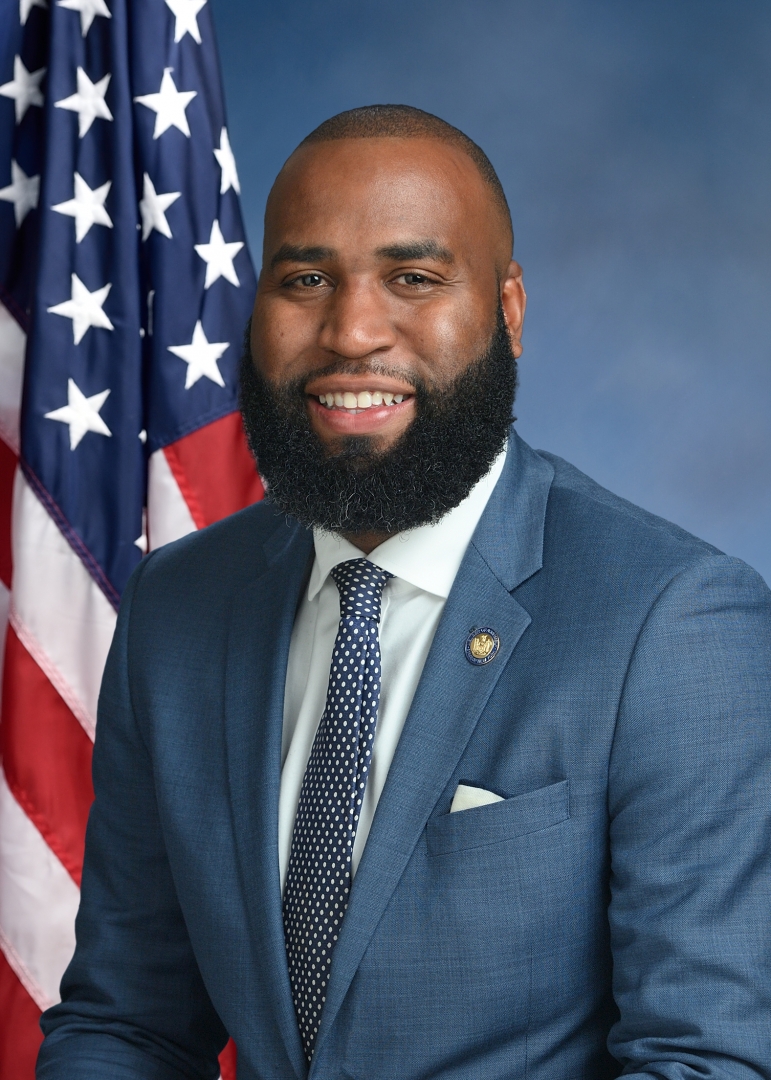
2025 Regular Session Introduced by Brian Cunningham

New York A 4584 would require DOCCS to offer civic engagement courses to inmates before release, aiming to boost reentry readiness and civic participation.

REFERRED TO CORRECTION
0
WeVote Research Nonpartisan
Bill Summary · A 4584

Summary of Assembly Bill A 4584 (New York)

Overview

  • Bill Number: A 4584
  • Title: Requires the department of corrections and community supervision to offer civic engagement courses to incarcerated individuals prior to their release
  • Sponsor: Brian Cunningham (primary)
  • Status: REFERRED TO CORRECTION
  • Introduced: February 4, 2025
  • Related Bill: A 7053 (prior-session)

Note: The information provided reflects the bill’s stated purpose and status as of introduction. The full text would specify precise program design, funding, and administration details.

What the bill would do

  • Core requirement: The Department of Corrections and Community Supervision (DOCCS) would be required to offer civic engagement courses to incarcerated individuals before they are released.
  • Objective: To prepare individuals for reentry by providing education on civic responsibilities and participation in civil society prior to reentry.

Key provisions (as described for introduction)

  • Establishment/mandate: DOCCS (and Community Supervision, if included by text) would be obligated to provide civic engagement coursework to inmates approaching release.
  • Timing: Courses would be offered prior to release, meaning participation would occur during incarceration rather than post-release.
  • Content specifics: The provided information does not include details on curriculum, duration, prerequisites, or whether courses would be voluntary or mandatory for eligible participants. The enacted text would clarify these elements.

Note: The bill’s text would delineate program details such as course length, delivery methods (in-person, remote, or hybrid), eligible populations, instructor qualifications, and reporting requirements.

Who would be affected

  • Primary audience: Incarcerated individuals under the jurisdiction of DOCCS.
  • Implementing agencies: DOCCS and Community Supervision (CSS) would be responsible for delivering the courses.
  • Stakeholders potentially affected: Local communities, workforce reintegration programs, and organizations partnering with correctional systems to provide reentry education.

Procedural and timeline aspects

  • Policy stage: Introduced and referred to the Assembly Standing Committee on Correction (indicating the bill is at an early stage and awaiting committee review).
  • Action history: Listed twice as “REFERRED TO CORRECTION” on the same date (February 4, 2025), reflecting initial committee referral processes.
  • Next steps: If advanced, the bill would move through committee hearings, potential amendments, and floor votes, then onward to the Senate for consideration and governors’ action (depending on the chamber of origin and legislative process).

Potential impact and considerations

  • Reentry outcomes: If implemented, may improve civic literacy, civic engagement, and social reintegration, potentially influencing recidivism and community reintegration outcomes.
  • Resource implications: Implementing and sustaining courses would require budgeting for curriculum development, staff/instructor time, facilities, and materials.
  • Curriculum alignment: The eventual text would determine whether courses cover voting rights, community obligations, government processes, and avenues for civic participation.
  • Connection to related legislation: A 7053 from a prior session may inform or complement A 4584, potentially shaping program scope or coordination with existing reentry initiatives.

For a detailed understanding, the full bill text and fiscal notes (if available) would clarify exact requirements, funding, implementation timelines, and measurement of outcomes.

Compiled from official sources — confirm details with the bill’s official record.

Sign in to ask a question.