

WeVote

Bill

Bill

A 8508

Requires the commissioner of education mandate schools donate unused food to local food banks

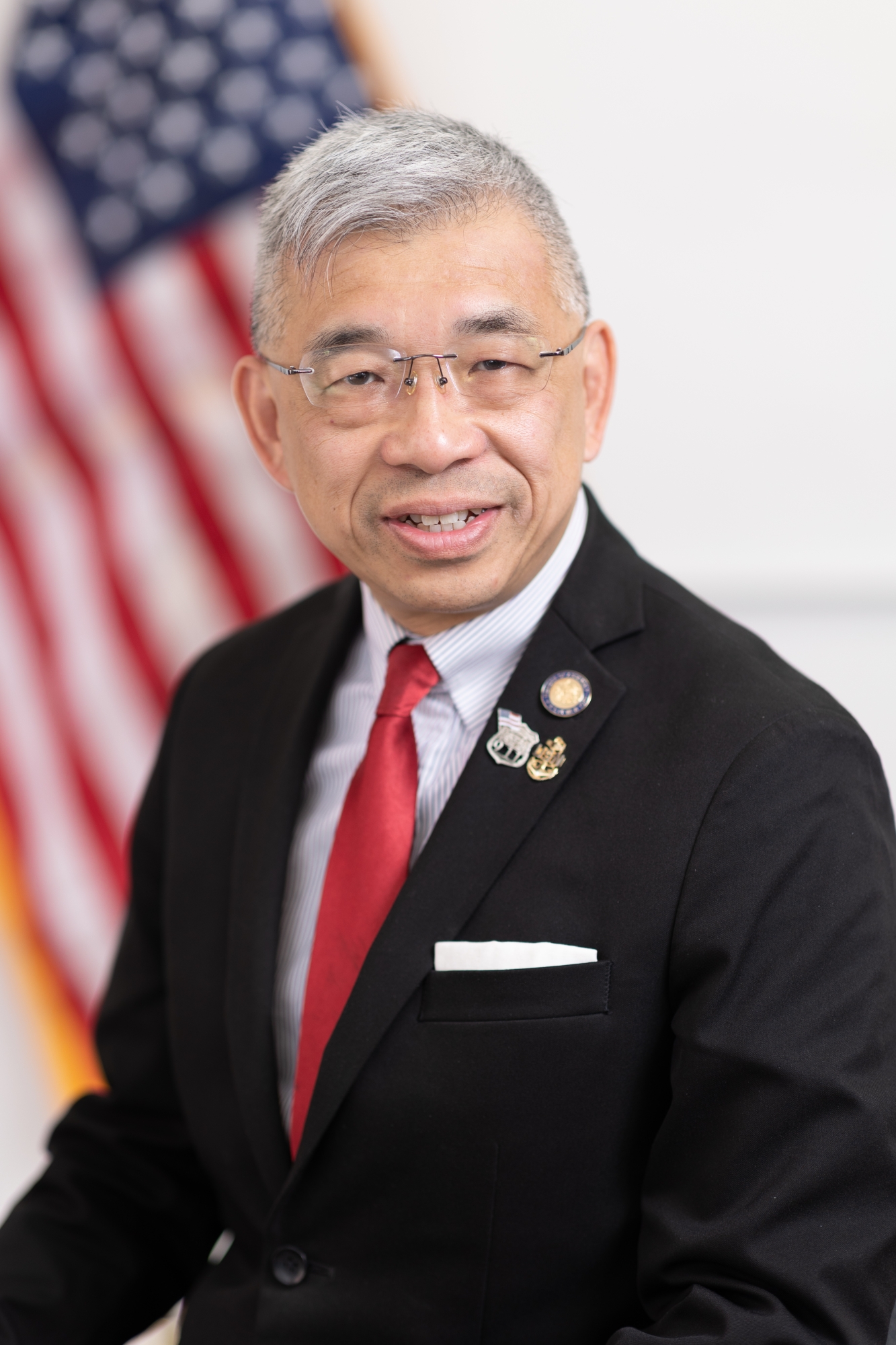
2025 Regular Session Introduced by Lester Chang

Requires schools to donate unused cafeteria food to local food banks, cutting waste and boosting food aid, with the education commissioner enforcing the rules.

REFERRED TO EDUCATION
0
WeVote Research Nonpartisan
Bill Summary · A 8508

Summary of Assembly Bill A 8508

Overview

  • Bill Number: A 8508
  • Title: Requires the commissioner of education to mandate schools donate unused food to local food banks
  • Sponsor (primary): Lester Chang
  • Status: Referred to Education
  • Introduced: May 20, 2025
  • Legislative Actions: 2025-05-20 — Referred to Education (listed twice)
  • Classification: Bill (state-level legislative measure)

Purpose and intent

The bill seeks to reduce food waste in schools while increasing food assistance to local communities. By directing the commissioner of education to mandate donations of unused school food to local food banks, its core aim is to create a formal mechanism for redirecting surplus food from school cafeterias to individuals and families in need.

What the bill would do

  • Create a statewide mandate requiring schools to donate unused food to local food banks.
  • Task the commissioner of education with implementing and enforcing this requirement (likely through regulations or guidance to school districts and schools).
  • Establish the policy framework in which donated food must travel from schools to local food banks, subject to the rules set by the commissioner.

Note: Specific definitions (e.g., what qualifies as "unused food"), eligible donors, eligible recipients, acceptable forms of donations (prepared, packaged, or unopened items), handling and safety standards, transportation logistics, and whether there are exemptions or protections for schools are not detailed in the information provided.

Who would be affected

  • Schools and school districts: Primary actors responsible for collecting and donating unused food in accordance with the mandate; potential changes to cafeteria operations, storage, and logistics.
  • Local food banks and food assistance organizations: Recipients of donated food, potentially increasing throughput and inventory for distribution.
  • New York State Department of Education (or equivalent state education agency): Responsible for implementing the mandate, issuing regulations or guidelines, and overseeing compliance.
  • Other stakeholders: Students and families benefiting from improved food resources; school staff involved in food preparation and disposal logistics.

Procedural and timeline aspects

  • The bill has been introduced and immediately referred to the Education committee, indicating it is in the early legislative stage.
  • If advanced, the typical path would involve committee hearings, potential amendments, floor consideration, and votes in the chamber, followed by the other legislative house (if applicable) and eventually the governor’s signature or veto.
  • No effective date or sunset provisions are stated in the provided information.

Potential impacts and considerations

  • Food waste reduction: Could significantly lower discarded food from schools.
  • Food security benefits: Provides a structured channel to support local food banks and families.
  • Operational and cost considerations: Schools may need resources for storage, handling, and transportation of donations; regulatory guidelines would be critical to address safety, sourcing, and liability.
  • Regulatory framework: The mandate would be implemented via regulations issued by the commissioner of education; details on enforcement and penalties are not specified.

This summary reflects the information available. If the full text becomes available, a more detailed section-by-section analysis (definitions, exemptions, funding, penalties, and timelines) can be provided.

Compiled from official sources — confirm details with the bill’s official record.

Sign in to ask a question.