

WeVote

Bill

Bill

A 1796

Requires that a certain amount of handicapped parking spaces at certain shopping centers or facilities are equipped with electric vehicle charging stations

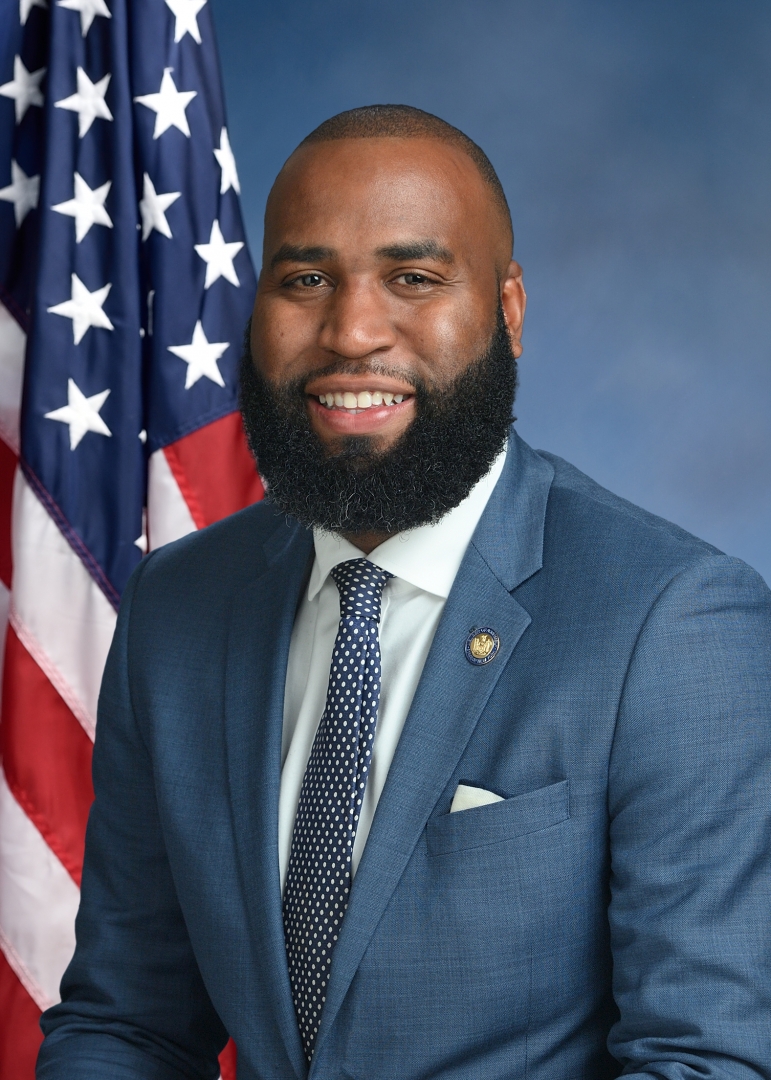
2025 Regular Session Introduced by Brian Cunningham and 1 co-sponsor

Requires a portion of handicapped parking spaces at select shopping centers to include EV charging stations, boosting charging access for drivers with disabilities.

REFERRED TO TRANSPORTATION
0
WeVote Research Nonpartisan
Bill Summary · A 1796

Summary of Assembly Bill A 1796

Overview

Assembly Bill A 1796 would require that a portion of handicapped (accessible) parking spaces at certain shopping centers or facilities be equipped with electric vehicle (EV) charging stations. The bill aims to advance EV infrastructure while promoting accessible parking by integrating charging options in areas designated for people with disabilities. The measure was introduced on January 14, 2025 and is currently REFERRED TO TRANSPORTATION.

Purpose and Intent

  • Promote accessibility and convenience for drivers who own EVs and have accessibility needs.
  • Expand EV charging availability at retail and related facilities.
  • Align with broader goals to diversify charging access and support sustainable transportation options.

Key Provisions (as described)

  • Applies to “certain shopping centers or facilities.” The specific facilities and criteria would be defined in the bill's text.
  • Requires that a defined portion (a minimum number or percentage) of handicapped parking spaces be equipped with EV charging stations.
  • Chargers presumably must meet standard accessibility and electrical safety requirements; the exact technical standards would be specified in the bill.
  • Emphasis on ensuring spaces remain accessible and clearly marked for use by individuals with disabilities.

Note: The exact numerical requirements (e.g., percentage of spaces, minimum number of charging stations, or timelines) and any exemptions or funding mechanisms are not provided in the summary available here. The bill text would detail these specifics.

Scope and Affected Parties

  • Primary affected entities: owners or operators of designated shopping centers or facilities covered by the bill.
  • Potential stakeholders include property developers, landlords, retailers, and organizations advocating for disability access and EV infrastructure.

Procedural and Timeline Aspects

  • Status: Referred to the Assembly Committee on Transportation.
  • Introduced: January 14, 2025.
  • Legislative actions currently show one entry on January 14, 2025 listing the referral to Transportation (duplicated in the provided record).

Sponsors

  • Primary sponsor: Brian Cunningham
  • Cosponsor: Harvey Epstein

Related Legislation

  • A 4044 (prior-session) is listed as related, indicating a parallel or predecessor measure addressing similar themes.

Potential Impacts and Considerations

  • Positive impacts: increased EV charging access for people with disabilities; potential encouragement for EV adoption; alignment with climate and accessibility goals.
  • Potential costs: retrofit or installation costs for charging equipment and potential site alterations for designated spaces.
  • Implementation questions to watch: the precise qualifying facilities, the exact number/percentage of spaces required, enforcement, penalties for noncompliance, and funding or incentive mechanisms.

This summary presents the bill’s core intent and provisions based on the available information. The exact statutory language will clarify numerical requirements, timelines, and enforcement details.

Compiled from official sources — confirm details with the bill’s official record.

Sign in to ask a question.