

WeVote

Bill

Bill

A 9165

Requires social media platforms to remove content depicting the violent death of a human being within twenty-fours after receiving notice or otherwise becoming aware of such content

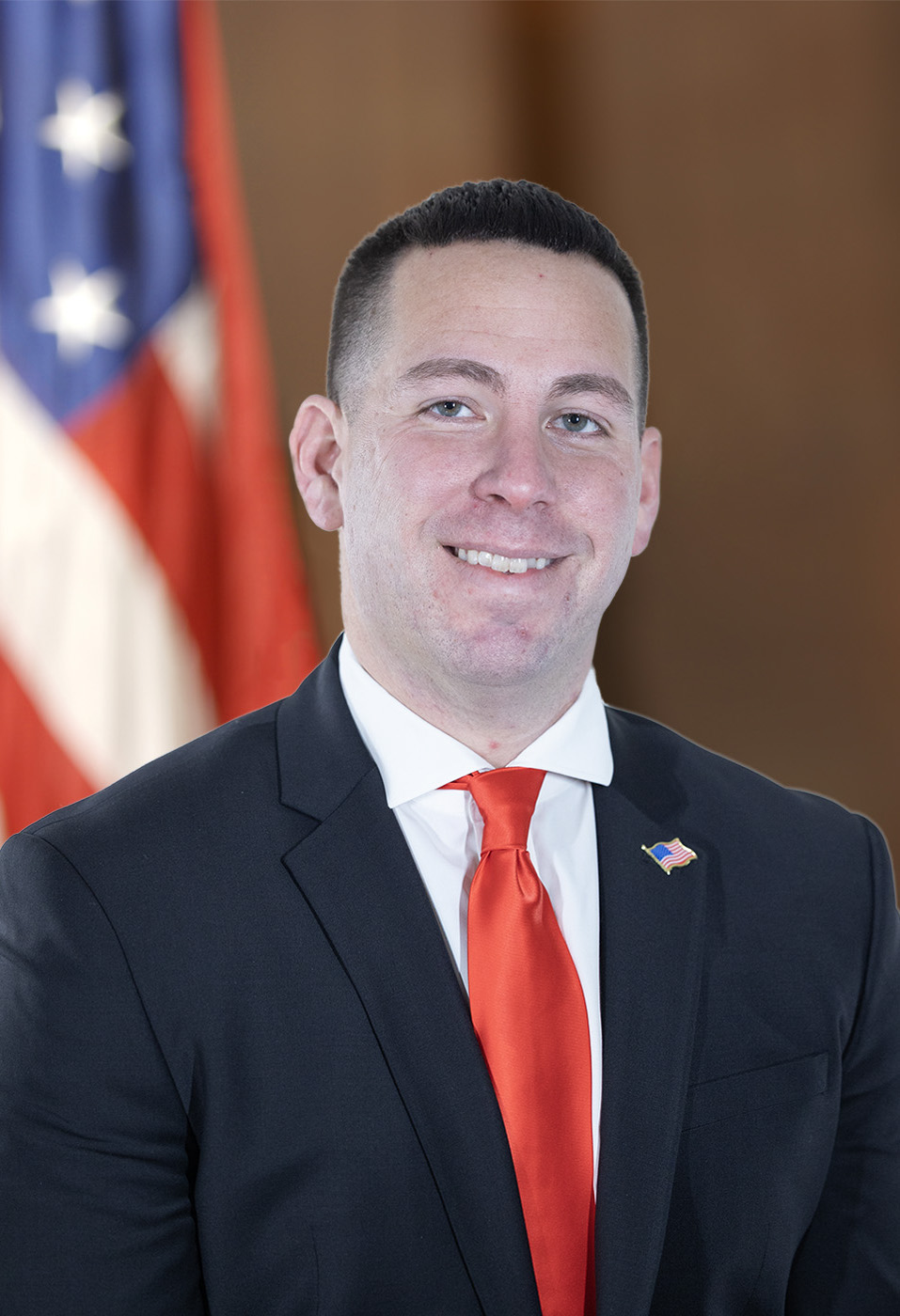
2025 Regular Session Introduced by Brian Maher

New York bill requires social media platforms to remove content depicting a violent human death within 24 hours of notice or platform awareness.

REFERRED TO SCIENCE AND TECHNOLOGY
0
WeVote Research Nonpartisan
Bill Summary · A 9165

Summary: Bill A 9165

Overview

Bill A 9165 seeks to require social media platforms to remove content depicting the violent death of a human being within 24 hours after the platform receives notice or otherwise becomes aware of the content. The bill is introduced in the New York State Assembly and has been referred to the Science and Technology committee. Primary sponsor: Brian Maher.
- Introduced: October 17, 2025
- Status: Referred to Science and Technology (on October 17, 2025; listed twice in the legislative actions)

Purpose and intent

  • To reduce exposure to graphic depictions of violent death on social media platforms by establishing a prompt removal standard.
  • The bill targets content that shows or graphically depicts a human death, with a defined trigger for action (notice or awareness by the platform).

Key provisions (as described)

  • Platforms affected: Social media platforms (the bill’s text would specify which platforms are covered; the summary reflects the described objective).
  • Removal deadline: Content depicting the violent death of a human being must be removed within 24 hours after the platform receives notice or becomes aware of the content.
  • Trigger for removal: The obligation is triggered by either formal notice received by the platform or the platform’s own awareness of the content.
  • (Note: The available information does not include details on definitions, safe harbors, appeal processes, or penalties.)

Scope and applicability

  • The bill is a state-level measure, introduced in the Assembly and referred to the Science and Technology committee. It is framed as applying to social media platforms; the precise scope (which platforms, geographic reach within the state, and any exemptions) would be clarified in the full text.

Enforcement, penalties, and due process (open questions)

  • The available information does not specify enforcement mechanisms, penalties, private rights of action, or an administrative process.
  • It is unclear whether there are carve-outs (e.g., news reporting, documentary content, user-generated posts, or content protected by free speech considerations) or safe harbors for compliance.

Sponsor and legislative actions

  • Primary sponsor: Brian Maher.
  • Legislative actions: On 2025-10-17, referred to Science and Technology (listed twice in the record).

Potential impact and considerations

  • Platforms: Increased moderation workload and potential compliance costs to monitor for and remove identified content within a tight 24-hour window.
  • Content creators and users: Potential changes in what content remains visible; concerns about over-removal or misidentification without robust definitional standards.
  • Legal and policy considerations: Balance between prompt removal of highly graphic content and protections for free speech, news reporting, and legitimate discourse.

Next steps

  • Committee review in Science and Technology, potential amendments, and progression toward floor consideration. Further details will depend on the full bill text, including definitions, exemptions, and enforcement provisions.

Compiled from official sources — confirm details with the bill’s official record.

Sign in to ask a question.