Note on document discrepancy
- The bill title supplied in your prompt (about concussions and youth sports) does not match the text and committee/fiscal documents provided. The legislative documents attached for A5383/A5383A concern Medicaid coverage for ovulation‑enhancing drugs and related services. This summary treats the bill as reflected in those documents (A5383A — Medicaid/infertility benefit).
Bill at a glance
- Bill number: A5383 (Print No. 5383A)
- Short description: Requires State Medicaid (NJ FamilyCare) coverage for medically‑necessary ovulation‑enhancing drugs and specified related medical services for certain enrollees experiencing infertility.
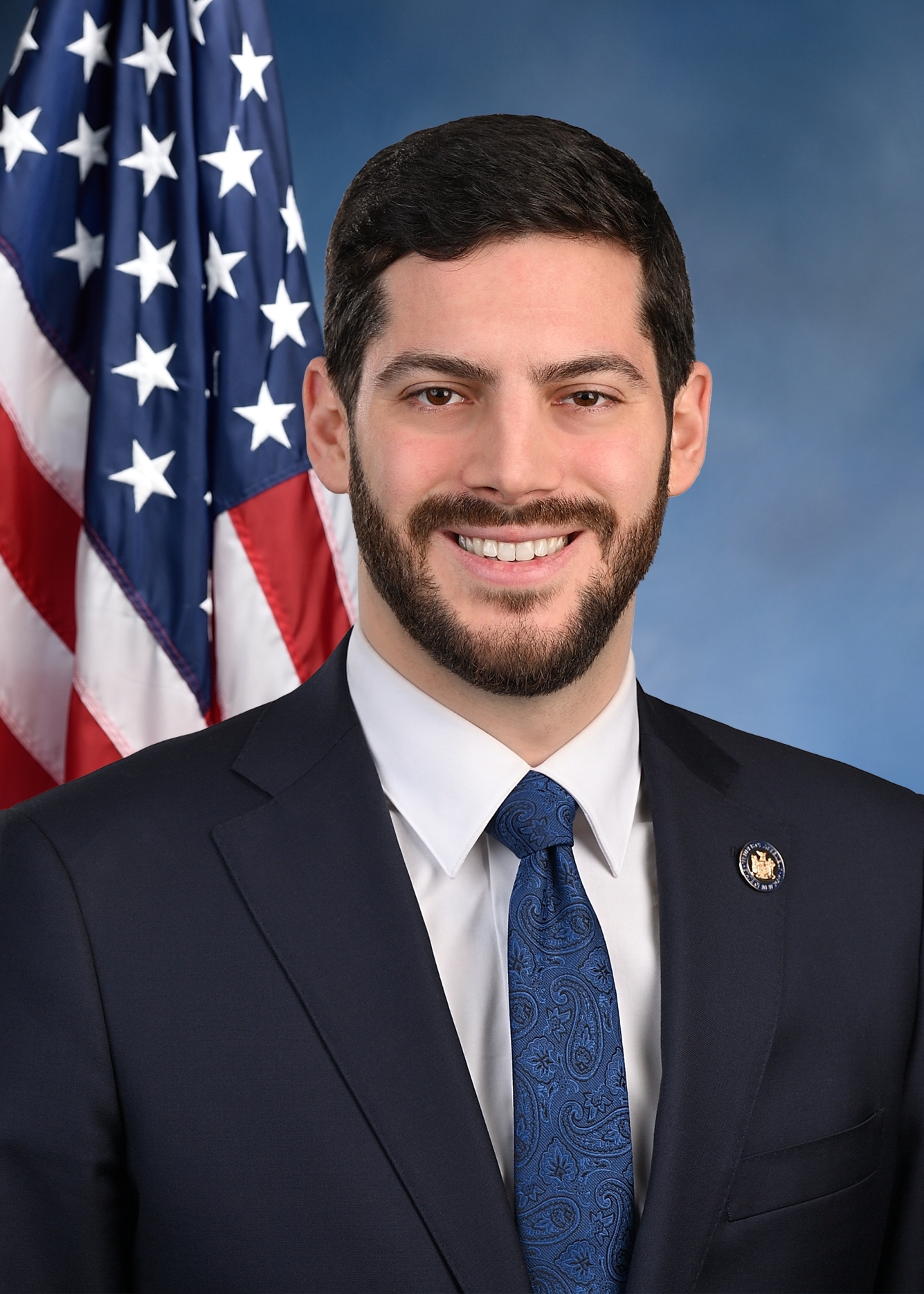
- Primary sponsor: Assemblymember Alex Bores
- Status / major actions:
- Introduced: March 6, 2025
- Reported favorably from Assembly Health (6/12/2025) and Assembly Appropriations with amendments (6/19/2025)
- Passed Assembly: June 30, 2025 (76–2–2)
- Referred to Senate Health, Human Services and Senior Citizens Committee: Oct 20, 2025
- Related/companion bills: S4294; S7266
Purpose and intent
- To expand New Jersey’s Medicaid program (NJ FamilyCare) to cover medically‑necessary ovulation‑enhancing medications and a narrow set of medical services used to prescribe and monitor those drugs for beneficiaries aged 21–44 who are experiencing infertility — aligning New Jersey’s benefit with a similar New York Medicaid benefit.
Key provisions
- Coverage required (contingent on available federal matching funds under Title XIX):
- Medically‑necessary ovulation‑enhancing drugs (the bill does not list specific drugs).
- Medical services limited to: office visits, pelvic ultrasounds, blood testing, and hysterosalpingograms.
- Eligibility and definition:
- Beneficiaries aged 21 through 44 who are experiencing infertility.
- “Infertility” defined as: failure to conceive after 12 months of unprotected intercourse for ages 21–34; after 6 months for ages 35–44.
- Committee amendment specifies that this definition cannot be used to deny or delay treatment based on relationship status or sexual orientation.
- Limits:
- Coverage limited to three cycles of treatment over the beneficiary’s lifetime.
Who is affected
- Primary: NJ FamilyCare (State Medicaid) enrollees aged 21–44 who meet the bill’s infertility definition.
- Secondary: NJ FamilyCare managed care organizations (MCOs), providers who administer/monitor ovulation stimulation, and State Medicaid program budget/federal reimbursement flows.
Fiscal and implementation notes
- Office of Legislative Services (OLS) fiscal estimate (June 26, 2025): State costs will increase by an indeterminate amount to cover up to three cycles per eligible enrollee; federal reimbursement would offset a portion. Exact fiscal effect is unknown because most NJ FamilyCare beneficiaries are in managed care plans, and MCO reimbursement arrangements and potential demand shifts are uncertain.
- Context: New York’s 2018 implementation had modest estimated initial costs (federal costs ~$45,000 in the first year reported by NY). Drug costs vary widely — generic oral agents may be inexpensive, while injectable hormonal stimulation can cost thousands per cycle.
Procedural next steps
- After Assembly passage, the bill was sent to the Senate and referred to the Senate Health, Human Services and Senior Citizens Committee (as of 10/20/2025). Further committee action, possible amendment, and full Senate consideration would follow for enactment.