

WeVote

Bill

Bill

A 6547

Requires school districts, boards of cooperative educational services, charter schools and nonpublic schools to establish cellphone policies and procedures

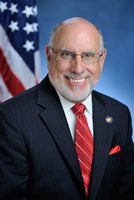
2025 Regular Session Introduced by Michael Benedetto

Requires New York public and nonpublic schools (districts, BOCES, charter schools) to adopt formal cellphone-use policies and procedures.

REFERRED TO EDUCATION
0
WeVote Research Nonpartisan
Bill Summary · A 6547

Summary of Assembly Bill A 6547

Overview

Bill A 6547, introduced on March 6, 2025 and sponsored by Assembly Member Michael Benedetto (primary), would require certain New York educational entities to establish formal cellphone policies and procedures. The bill is currently in committee status, having been REFERRED TO EDUCATION.

What the bill would require

  • The core mandate: School districts, Boards of Cooperative Educational Services (BOCES), charter schools, and nonpublic schools would be required to establish policies and procedures governing cellphone use.
  • The policy objective is to address how cellphones are used within school settings, aiming to provide a standardized framework for students, staff, and administration.

Note: The publicly available information does not include the specific contents, scope details, or the precise elements that must appear in the policies (e.g., permitted/restricted times, devices, emergency exceptions, enforcement measures, or appeals). The summary below reflects the bill’s stated requirement to establish policies and procedures.

Scope and entities affected

  • Public and nonpublic educational providers covered by the bill:
    • School districts
    • Boards of Cooperative Educational Services (BOCES)
    • Charter schools
    • Nonpublic schools
  • Stakeholders likely affected include students, teachers and school staff, school administrators, families, and governing boards responsible for adopting the policies.

Implementation considerations and potential impacts

  • Administrative impact: Each eligible entity would need to draft, adopt, and publish an official cellphone policy and associated procedures, potentially requiring board action, policy development processes, and stakeholder consultation.
  • Educational impact: A formal policy could standardize expectations for cellphone use, potentially improving classroom focus, attendance at in-person instruction, and safety protocols.
  • Equity and accessibility: The policy development process should consider diverse school environments and student needs to ensure fair implementation and access to necessary technology.
  • Enforcement and compliance: Without specifics in the summary, questions remain about enforcement mechanisms, disciplinary guidelines, exemptions (e.g., assistive devices or medical needs), and review cycles.

Status and sponsor

  • Status: REFERRED TO EDUCATION (committee stage)
  • Introduced: March 6, 2025
  • Sponsor: Michael Benedetto (primary)

Next steps and considerations for deeper review

  • Review the full text of A 6547 to understand:
    • Required elements of the policies (e.g., allowed usage, restrictions, device storage, privacy considerations).
    • Effective dates, transition plans, and any phased implementation.
    • Compliance monitoring, reporting, and enforcement provisions.
    • Whether guidance or model policies would be provided by the state education department.
  • Monitor committee actions and any amendments that refine scope, timeline, or enforcement.

Compiled from official sources — confirm details with the bill’s official record.

Sign in to ask a question.