

WeVote

Bill

Bill

A 5118

Requires public hospitals to establish auto-immune disease treatment centers

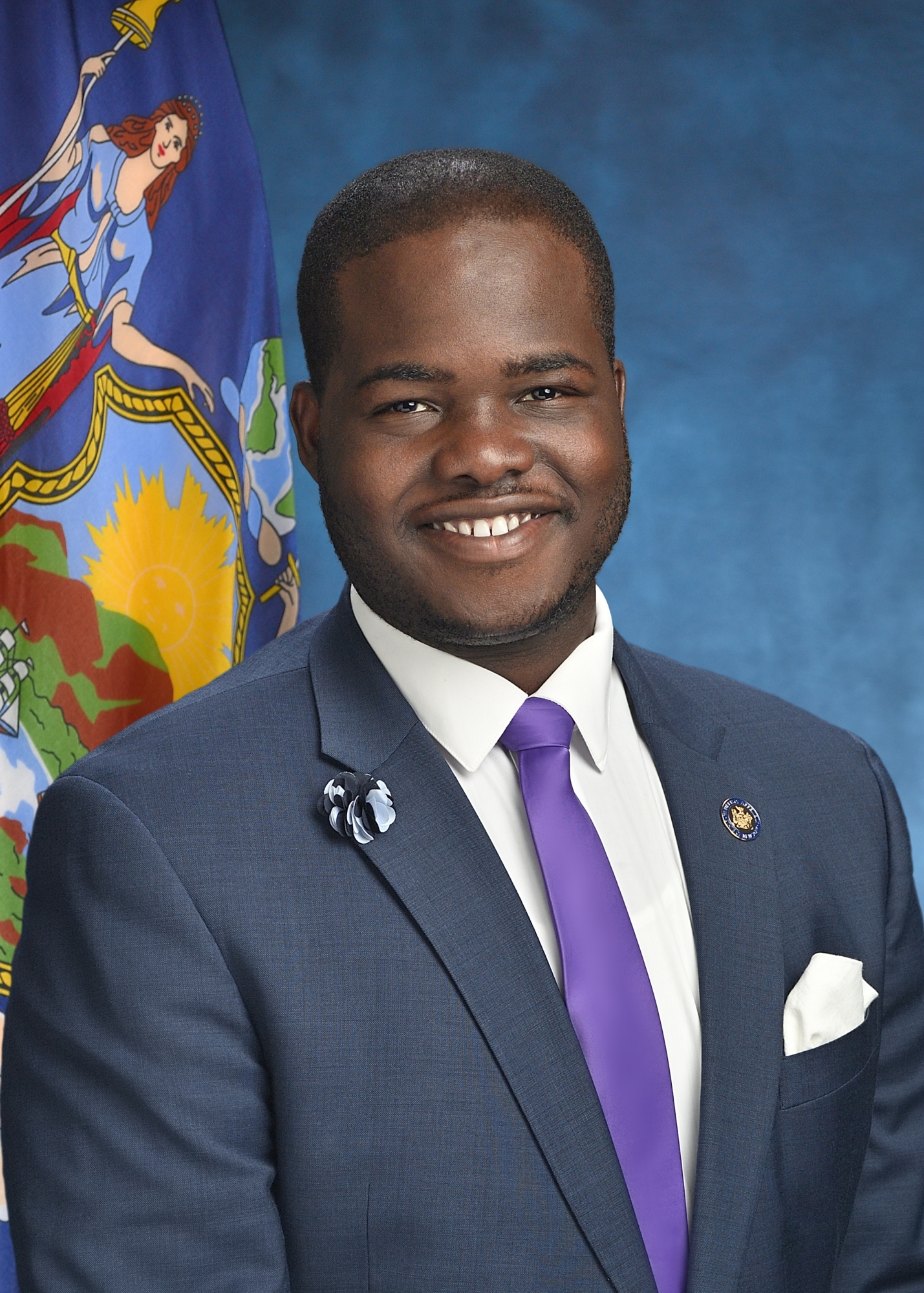
2025 Regular Session Introduced by Khaleel Anderson

Disabled TPAF/PERS members on long-term disability get employer-paid SHBP/SEHBP health coverage with no employee premiums, treated as active service for pension.

REFERRED TO HEALTH
0
WeVote Research Nonpartisan
Bill Summary · A 5118

Note: The bill number and introductory header included an unrelated title about public hospitals and autoimmune disease centers. The text and committee reports for A-5118 address health insurance for disabled members of the Teachers’ Pension and Annuity Fund (TPAF) and the Public Employees’ Retirement System (PERS). This summary reflects the bill language and committee/fiscal documents.

Summary / Purpose

A-5118 entitles members of TPAF and PERS who are receiving long‑term disability insurance benefits to employer‑paid health coverage through the State Health Benefits Program (SHBP) and the School Employees’ Health Benefits Program (SEHBP) on the same terms as retirees — except that coverage for these disabled members would be provided without any employee premium contributions. The bill amends provisions of P.L.2010, c.3 (C.18A:66-39.1).

Key provisions

  • Disabled TPAF and PERS members receiving long‑term disability insurance may enroll in SHBP and/or SEHBP with health coverage paid by the State or the participating local employer (i.e., no employee cost sharing).
  • There is no enrollment deadline and no additional eligibility requirements beyond being a recipient of disability insurance under TPAF or PERS.
  • Health coverage provided under the bill may not be treated as a benefit that reduces the amount of a member’s monthly disability benefit.
  • For pension purposes, a member receiving disability benefits under this program is to be considered as if in active service for the duration of the disability benefit.
  • Committee amendments clarified that PERS members and PERS disability recipients may obtain SEHBP coverage in addition to SHBP, under the same no‑cost condition.

Who is affected

  • Primary: Current members of TPAF and PERS who are receiving long‑term disability benefits.
  • Secondary: State government (as employer) and local government employers participating in SHBP/SEHBP, who may assume premium costs for these enrollees.
  • Insurers/Division of Pensions and Benefits for administration.

Fiscal impact

  • Office of Legislative Services (OLS): annual state and certain local government expenditure increases — indeterminate.
  • Rationale: Under current law disabled members must pay the full cost of enrollment; shifting those premiums to employers (State or local) will raise employer costs. OLS cannot reliably estimate enrollment take‑up, plan selections, or exact distribution between State and local employers.

Legislative status and timeline (selected)

  • Introduced in Assembly: 12/09/2024
  • Assembly committee reports (with amendments): 12/12/2024; Appropriations report: 12/16/2024
  • Passed Assembly: 12/19/2024 (70–0–1)
  • Received in Senate; referred to Senate committees: 01/14/2025 (Senate State Government, Wagering, Tourism & Historic Preservation)
  • Referred to Health: 02/12/2025 (status header)
  • Transferred to Senate Budget & Appropriations: 03/24/2025

Related legislation

  • Companion / related: S-4223; S-6034 (companion); prior-session A-8267.

If you want, I can produce a one‑page comparison showing current law vs. changes under A-5118 or estimate potential cost scenarios (low/medium/high take‑up) using sample enrollment and premium data.

Compiled from official sources — confirm details with the bill’s official record.

Sign in to ask a question.