

WeVote

Bill

Bill

A 3940

Requires enacted budget financial plan estimates to be provided to the legislature prior to a vote on certain budget bills

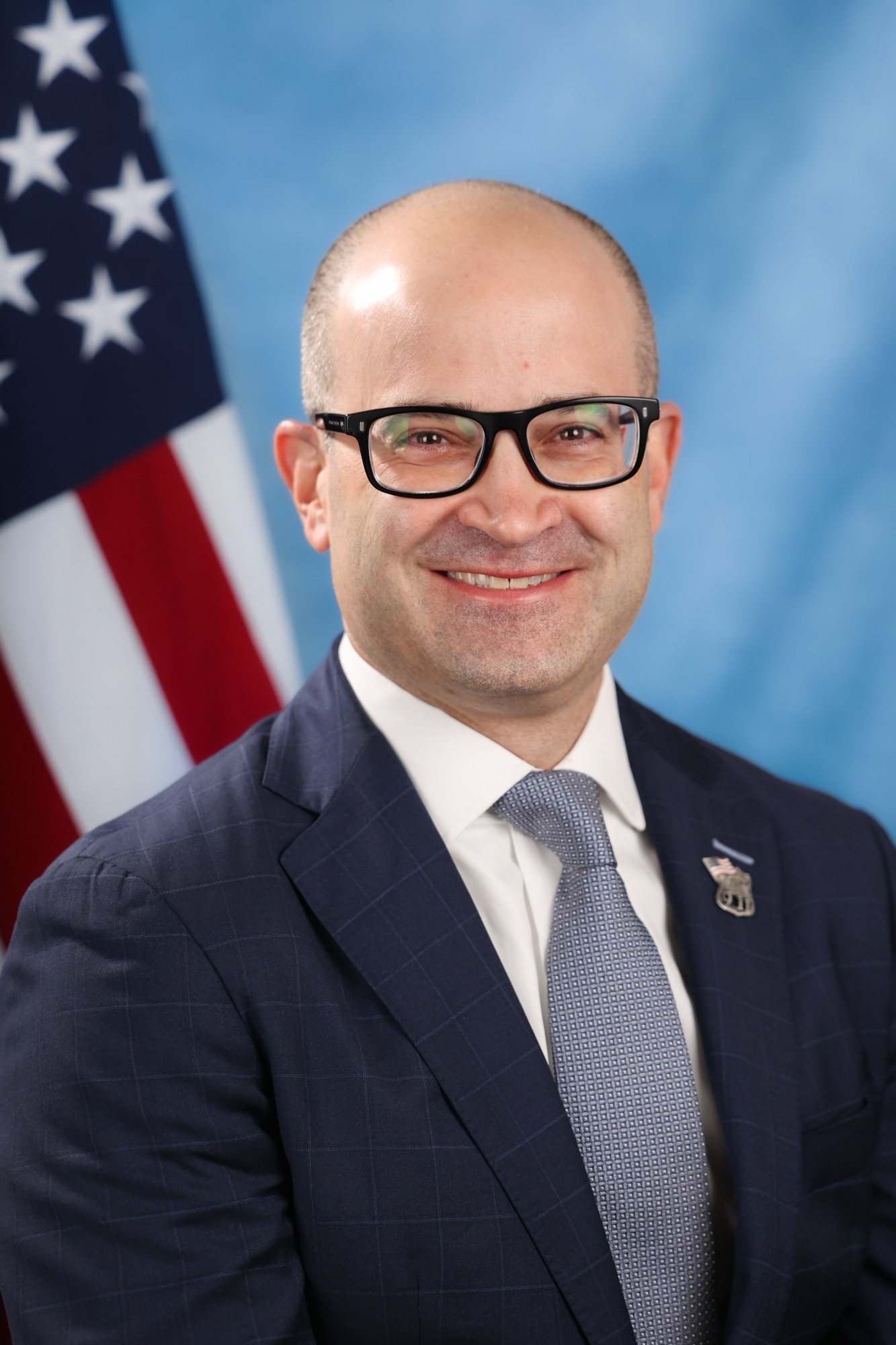
2025 Regular Session Introduced by Ed Ra

The bill creates two licensure paths for mortuary professionals: one with embalming competency and one without, expanding consumer choice and lowering entry barriers.

REFERRED TO WAYS AND MEANS
0
WeVote Research Nonpartisan
Bill Summary · A 3940

Summary — A3940 (P.L.2025, c.52)

Requires the Executive budget financial plan estimates to be provided to the Legislature prior to a vote on certain budget bills — (bill text actually concerns mortuary licensing; see details below).

Note: Although the bill number provided is A3940, the enacted measure (P.L.2025, c.52) reforms licensure for funeral directing and embalming. This summary describes the substantive changes made by A3940 as amended and enacted.

Main purpose

To modernize and broaden the State’s mortuary licensing framework by creating two distinct license pathways — one that retains embalming competency and one that permits funeral directing without embalming — with the goal of increasing consumer choice, accommodating religious/cultural/environmental preferences (including “green” burials), and lowering barriers to entry into the profession.

Key provisions

  • Creates two licensure categories under the State Board of Mortuary Science:
    • Practitioner of Mortuary and Embalming Science — retains current scope (funeral directing and embalming) and embalming proficiency requirements.
    • Practitioner of Mortuary Science — limited to funeral directing (no embalming competency required).
  • Revises definitions and terminology (e.g., changes “trainee” to “intern”; “school of mortuary science” to “program of funeral service education”).
  • Modifies education, examination, and continuing education rules to reflect the two-license system and updated terminology.
  • Removes New Jersey residency as a requirement to sit for examinations or obtain a license.
  • Lowers minimum qualifying age to 18.
  • Allows, wherever possible, an actual demonstration of embalming on a cadaver as part of the examination for the full (embalming) license (committee amendment).
  • Removes a statutory requirement for an identification card (committee amendment) and updates the effective date language.
  • Gives the Board flexibility to set examination and re‑examination costs (statutory fee amounts removed), enabling fee-setting by rule.

Who is affected

  • Current and prospective funeral service professionals (funeral directors, embalmers, interns).
  • Funeral homes/mortuaries and consumers (more non‑embalming funeral options).
  • State agencies: Division of Consumer Affairs / Board of Mortuary Science — administrative, licensing, and enforcement responsibilities increase.
  • Potentially increased number of license applicants (those who decline embalming).

Fiscal impact

  • Office of Legislative Services (OLS) estimates annual State revenue and expenditure increases as indeterminate. Potential for more license applications, fee revenue, and higher administrative/enforcement costs. Current context: ~2,339 mortuary licenses in force (FY2024); existing application fee $50 and initial/biennial license $350 — the Board may adjust fees by regulation.

Legislative timeline / status

  • Introduced in Assembly: March 4, 2024.
  • Committee substitute, amendments, and passage actions through 2024–2025.
  • Passed both houses (Senate 39-0; Assembly votes noted).
  • Enacted as P.L.2025, c.52 (approved May 8, 2025).

Sponsor / related bill

  • Primary sponsor: Asm. Edward Ra.
  • Companion: S1635 (substituted / related Senate version).

Compiled from official sources — confirm details with the bill’s official record.

Sign in to ask a question.