

WeVote

Bill

Bill

A 8309

Requires certain public authorities to develop a feasibility study to promote bicycle and pedestrian access on bridges

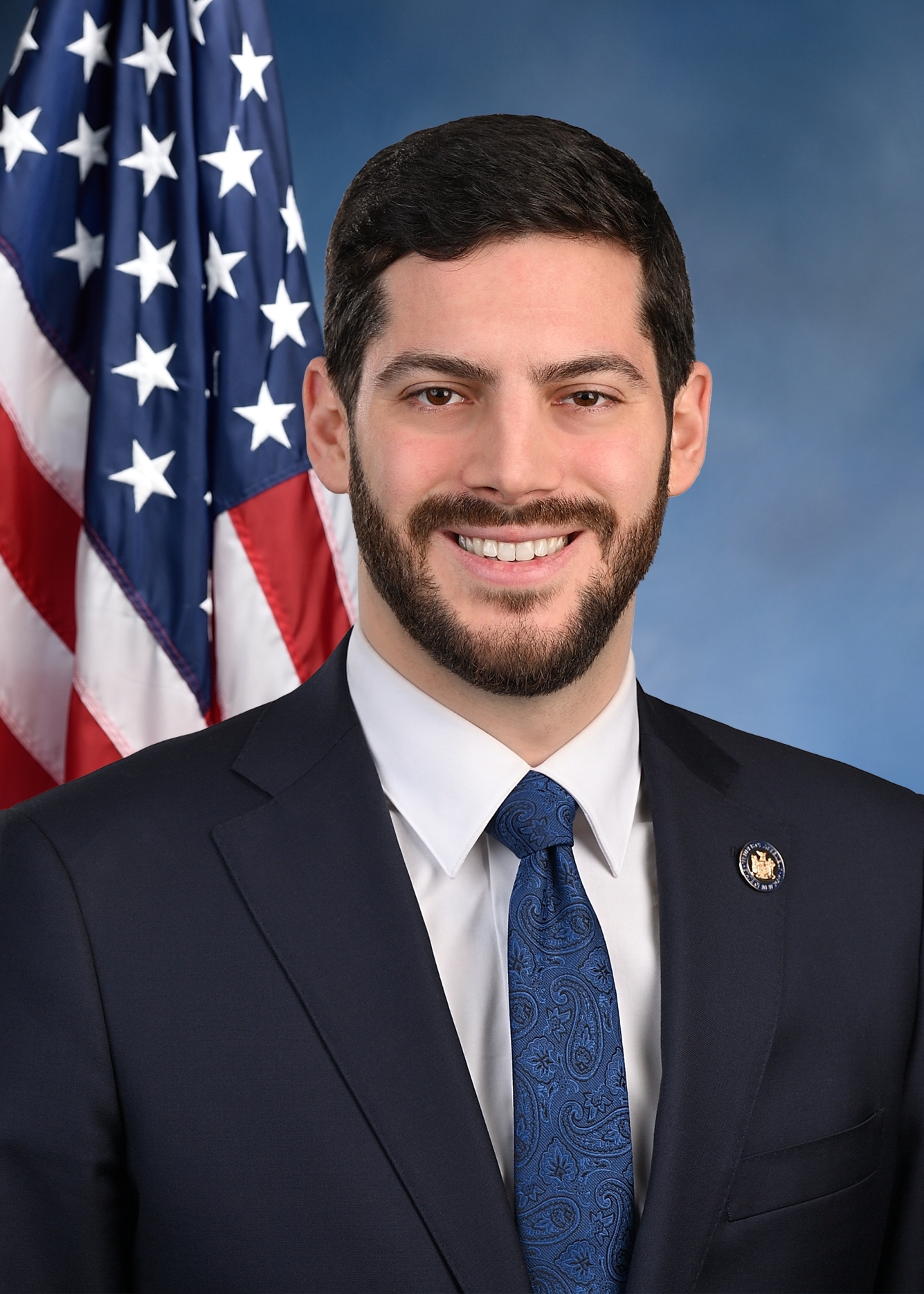
2025 Regular Session Introduced by Alex Bores and 15 co-sponsors

Requires certain public authorities to prepare a feasibility study on adding bicycle and pedestrian access to bridges, guiding future design, safety, and funding decisions.

REFERRED TO CORPORATIONS, AUTHORITIES AND COMMISSIONS
0
WeVote Research Nonpartisan
Bill Summary · A 8309

Summary of Assembly Bill A 8309

Overview

  • Bill number: A 8309
  • Title: Requires certain public authorities to develop a feasibility study to promote bicycle and pedestrian access on bridges
  • Purpose: To require specified public authorities to study and assess the viability of improving bicycle and pedestrian access on bridges, supporting safer and more integrated non-motorized transportation options.
  • Status: Referred to the Committee on Corporations, Authorities and Commissions
  • Introduced: May 13, 2025

What the bill would do

  • The bill would require "certain public authorities" to develop a feasibility study focused on promoting bicycle and pedestrian access on bridges. The provided information does not specify which authorities are covered or the exact scope, but the core obligation is the creation of a formal study to evaluate feasibility, design options, safety implications, and related considerations for adding or improving bike/pedestrian access on bridge structures.

Key provisions (as stated)

  • Mandatory feasibility study: Public authorities identified by the bill must prepare a feasibility study addressing bicycle and pedestrian access on bridges.
  • Study objectives: While the precise contents are not enumerated in the provided summary, feasibility studies of this type typically assess:
    • Current access and usage patterns for bicycles and pedestrians
    • Safety and design considerations
    • Engineering and construction feasibility
    • Cost estimates and potential funding sources
    • Environmental, community, and traffic impacts
    • Timelines for potential implementation
  • The text provided does not specify funding authorization, reporting deadlines, or required consulting processes. If such elements exist in full text, they are not included in the summary here.

Affected entities

  • Public authorities responsible for bridges and related transportation infrastructure. The bill’s language indicates “certain public authorities,” but does not list them in the provided information.
  • Potentially bicycle and pedestrian stakeholders, local communities, and planning agencies depending on the authorities involved and study results.

Procedural and timeline aspects

  • Introduction and referral: May 13, 2025, and immediately referred to the Committee on Corporations, Authorities and Commissions (listed twice in the record, likely a clerical note).
  • No budgetary or implementation timeline details are provided in the summary.

Related and companion measures

  • Related bill: A 8300 (prior-session)
  • Companion measures: S 5178 (companion in the Senate; listed twice)
  • These related bills suggest parallel or connected proposals in other sessions or chambers.

Sponsorship

  • Primary sponsor: Karen McMahon
  • Notable cosponsors (examples): Angelo Santabarbara, Sarahana Shrestha, Nikki Lucas, Jonathan Jacobson, MaryJane Shimsky, Robert Smullen, Jo Anne Simon, Amanda Septimo, Joe DeStefano, Rebecca Seawright, Steven Otis, Alex Bores, Yudelka Tapia, Jen Lunsford, Anna Kelles
  • The broad sponsorship indicates cross-party or cross-member interest in advancing non-motorized access initiatives.

Potential impact and considerations

  • If enacted, public authorities would need to allocate resources to prepare the feasibility study, which could influence planning timelines and early design considerations for any future bike/pedestrian bridge improvements.
  • The effectiveness of the bill would depend on the scope defined for “certain public authorities,” any required study elements, reporting obligations, and whether subsequent legislation or funding would follow to implement feasible options.

Compiled from official sources — confirm details with the bill’s official record.

Sign in to ask a question.