

WeVote

Bill

Bill

A 4116

Requires anti-bias training for every medical student, medical resident and physician assistant student in the state

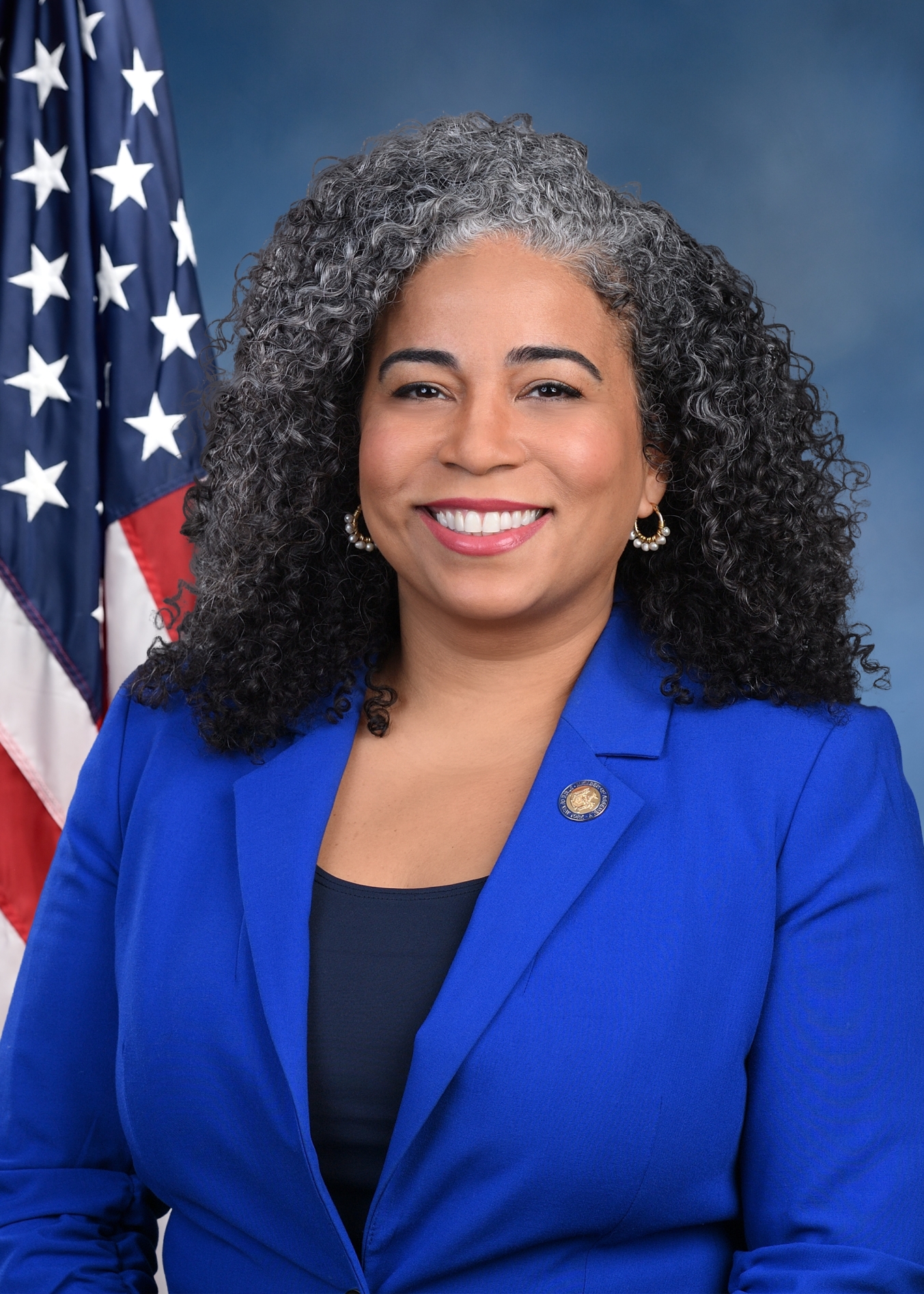
2025 Regular Session Introduced by Karines Reyes

Bill A 4116 mandates anti-bias training for all medical students, residents, and physician assistant students, promoting equitable healthcare and improved patient care.

REFERRED TO HEALTH
0
WeVote Research Nonpartisan
Bill Summary · A 4116

Summary of Bill A 4116

Bill Number: A 4116
Title: Requires anti-bias training for every medical student, medical resident, and physician assistant student in the state
Status: Referred to Health
Introduced: January 31, 2025
Classification: Bill

Purpose and Intent

Bill A 4116 aims to address issues of bias and discrimination within the healthcare system by mandating anti-bias training for all medical students, medical residents, and physician assistant students in the state. The intent is to foster a more equitable healthcare environment and improve patient care by ensuring that future healthcare providers are equipped with the knowledge and skills to recognize and mitigate their own biases.

Key Provisions

  • Mandatory Training: The bill requires that all medical students, medical residents, and physician assistant students complete a designated anti-bias training program as part of their education.

  • Curriculum Development: The training program will be developed in consultation with experts in the fields of medicine, psychology, and social justice to ensure comprehensive coverage of bias-related issues.

  • Implementation Timeline: While specific timelines for the rollout of the training program are not detailed in the bill, it is expected that the training will be integrated into existing educational frameworks for medical and physician assistant programs.

  • Evaluation and Reporting: The bill may include provisions for evaluating the effectiveness of the training programs and reporting outcomes to relevant state health authorities.

Who Would Be Affected

  • Medical Students: Individuals enrolled in medical schools across the state will be required to undergo anti-bias training as part of their curriculum.

  • Medical Residents: Those in residency programs will also need to complete the training, ensuring that they are prepared to provide equitable care during their practical training.

  • Physician Assistant Students: Students in physician assistant programs will similarly be mandated to participate in the training.

  • Healthcare Institutions: Medical schools and residency programs will need to adapt their curricula to incorporate the new training requirements.

Procedural Aspects

  • Current Status: As of January 31, 2025, the bill has been referred to the Health Committee for further consideration.

  • Related Legislation: The bill is related to several prior-session bills (A 8741, A 1401, A 5625) and has a companion bill (S 317) in the Senate, indicating ongoing legislative interest in addressing bias in healthcare education.

Conclusion

Bill A 4116 represents a significant step towards enhancing the quality of healthcare by ensuring that future medical professionals are trained to recognize and combat biases that may affect patient care. By mandating anti-bias training, the bill seeks to promote a more inclusive and equitable healthcare system for all patients.

Compiled from official sources — confirm details with the bill’s official record.

Sign in to ask a question.