

WeVote

Bill

Bill

A 984

Requires a call-blocking service to be provided in state contracts that include procurement of a voice service

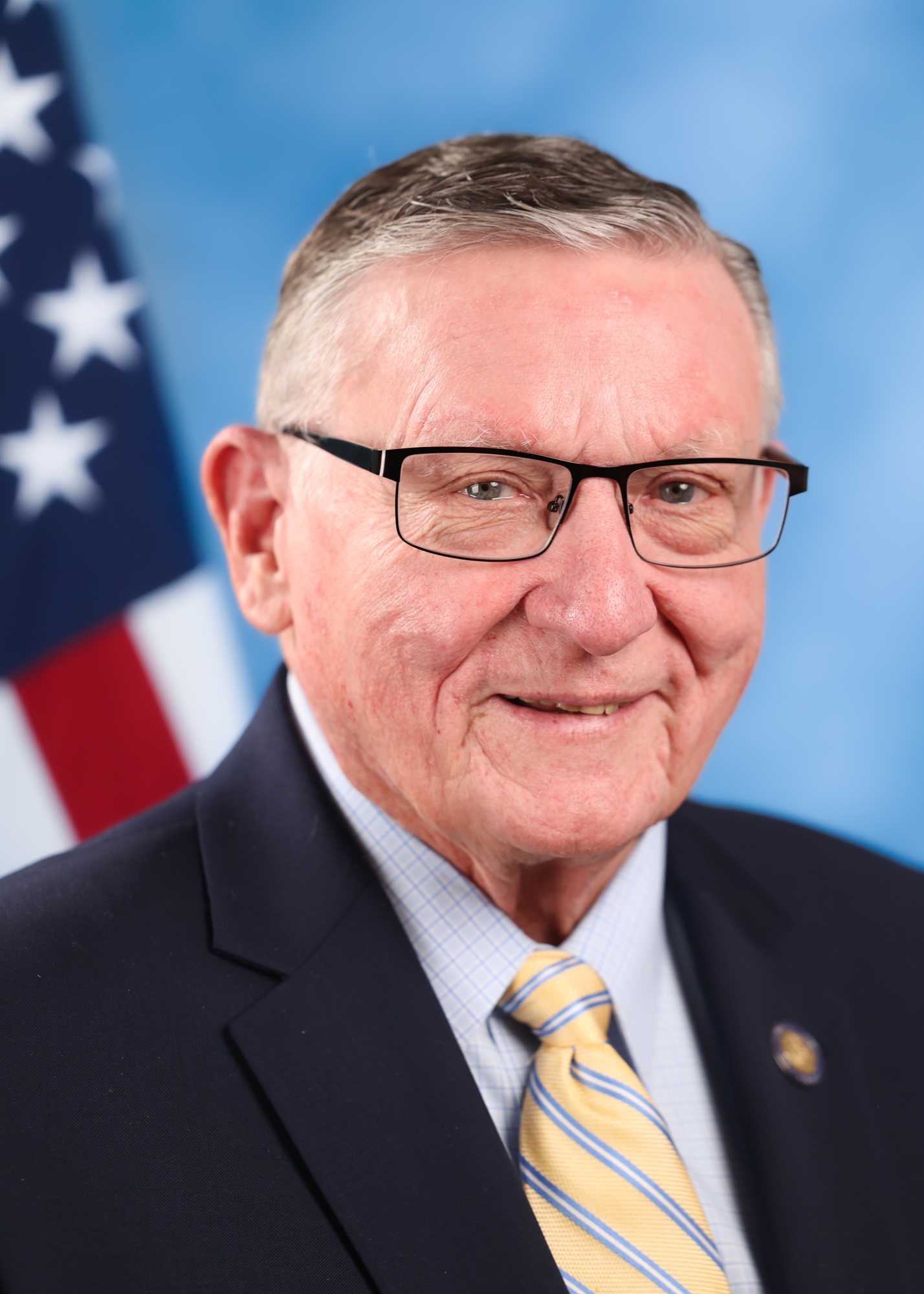
2025 Regular Session Introduced by Ken Blankenbush and 21 co-sponsors

Requires all state voice-service contracts to include a call-blocking service, reducing spam/scam calls for residents and mandating blocker features in bids and contracts.

REFERRED TO GOVERNMENTAL OPERATIONS
0
WeVote Research Nonpartisan
Bill Summary · A 984

Summary of A 984: Call-Blocking Service in State Voice Contracts

Overview

  • Bill Number: A 984
  • Title: Requires a call-blocking service to be provided in state contracts that include procurement of a voice service
  • Status: Referred to Governmental Operations
  • Introduced: January 8, 2025
  • Classification: Bill
  • Related legislation: Companion Senate bill S 4537; prior-session bills A 9932, A 3481, A 590, A 4371

Purpose and Intent

A 984 would require that any state contract involving the procurement of voice service include the provision of a call-blocking service. The bill aims to reduce disruptive and potentially fraudulent calls targeting residents by ensuring that state contracts with voice communication capabilities also deliver protective call-filtering tools.

Key Provisions

  • Mandate: In every state contract that includes procurement of voice service, the vendor must provide a call-blocking service as part of the contract.
  • Scope: Applies to contracts entered by state agencies for voice communications (e.g., traditional phone services, VoIP, and other voice-enabled offerings) where call-blocking features would be included as part of the service package.
  • Inclusion in PROCUREMENT: The requirement is tied to the procurement process, meaning bid specifications and contractual terms would need to reflect the inclusion of call-blocking capabilities.

Note: The available information does not specify additional technical details, performance standards, data handling/privacy requirements, or enforcement mechanisms. The exact scope of “voice service” and the specific features of the blocking service would be defined in the bill’s text, if enacted.

Affected Parties

  • State agencies: Subjects of the procurement rules for voice services.
  • Vendors/service providers: Mandatory inclusion of call-blocking services in bids and performance under state contracts.
  • Residents/telecommunications users: Potential beneficiaries through reduced spam/robocalls and improved call screening for services procured by the state.

Procedural and Timeline Aspects

  • Current stage: Referred to Governmental Operations committee (as of January 8, 2025).
  • Next steps: Committee review, potential amendments, and consideration for floor action. No further actions are listed in the provided material.

Sponsorship

  • Primary Sponsor: Phil Steck
  • Notable Cosponsors: A broad list including Angelo Santabarbara, Nader Sayegh, Robert Smullen, Alicia Hyndman, Jo Anne Simon, Nily Rozic, Brian Manktelow, Edward Ra, Angelo J. Morinello, William Colton, Joe DeStefano, Catalina Cruz, David McDonough, Marianne Buttenschon, Karines Reyes, David Weprin, Albert A. Stirpe, Mary Beth Walsh, Kenneth Blankenbush, Stephen Hawley, Jeffrey Dinowitz (and others)

Related Legislation

  • Companion Senate bill: S 4537
  • Prior-session bills: A 9932, A 3481, A 590, A 4371
  • These related measures suggest ongoing interest in mandating protective call-management services within state telecom contracts and may inform committee discussion or amendments.

Potential Impact

  • Public safety and consumer protection: Could reduce nuisance and scam calls for residents by integrating call-blocking into state-procured voice services.
  • Procurement and vendor requirements: Establishes a mandatory feature in bid specifications and contract deliverables, potentially affecting pricing and service configurations.
  • Administrative: May require contract language updates, vendor compliance monitoring, and performance reporting related to call-blocking services.

Compiled from official sources — confirm details with the bill’s official record.

Sign in to ask a question.