

WeVote

Bill

Bill

LB 275

Require the Department of Health and Human Services to screen state wards for social security benefit eligibility

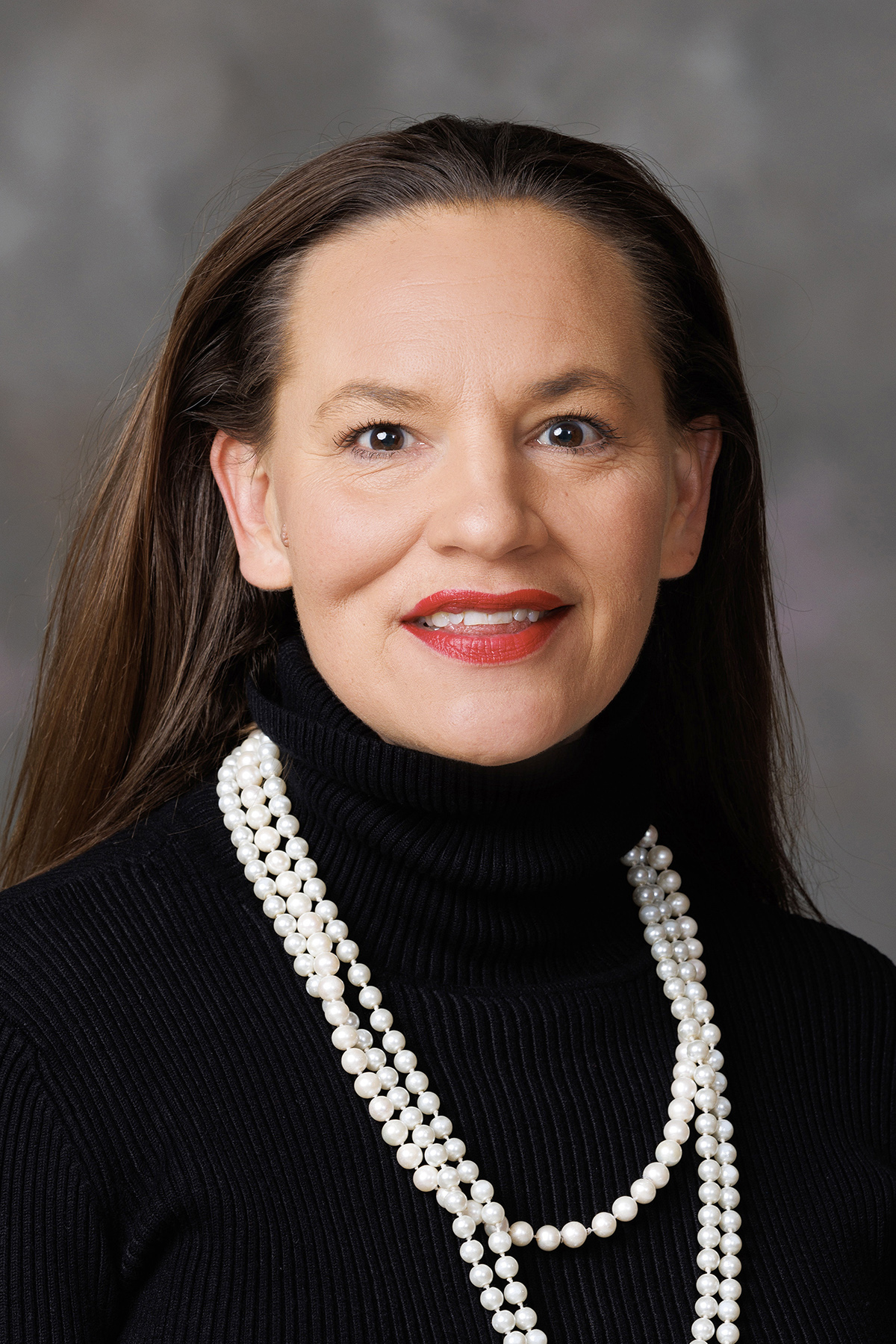
109th Legislature (2025-2026) Introduced by Danielle Conrad and 1 co-sponsor

DHHS must screen state wards for Social Security benefits, apply if eligible, manage funds in trust, and conserve a minimum portion until adulthood.

Approved by Governor on June 4, 2025
0
WeVote Research Nonpartisan
Bill Summary · LB 275

Summary — LB 275 (2025)

Require the Department of Health and Human Services to screen state wards for Social Security benefit eligibility

Purpose

LB 275 strengthens oversight, transparency, and conservation of Social Security benefit payments that belong to children under the charge of the Nebraska Department of Health and Human Services (DHHS). The bill seeks to ensure eligible children are identified and helped to obtain benefits, that benefit funds are managed in the child's best interest, and that a protected portion of those funds is conserved for the youth’s use when they leave care.

Key provisions

  • Screening and application

    • DHHS must screen every child under its charge for Social Security benefit eligibility within 60 days of entering care.
    • If a child appears eligible, DHHS must submit an application on the child’s behalf and, if necessary and in the child’s best interest, pursue appeals of denials.
    • If a child is found ineligible, DHHS must re-screen annually.
  • Notices and appeals

    • DHHS must provide written, age-appropriate notice within 10 calendar days to the child, the child's guardian ad litem, and parents regarding SSA determinations (approval, denial, appeal outcomes).
    • If DHHS is appointed representative payee, it must notify the child, guardian ad litem, and parents in writing within 10 days and inform them of appeal rights and deadlines.
  • Management of benefit payments when DHHS is representative payee

    • DHHS must hold benefit funds separate from departmental funds, normally in a trust account.
    • Funds must be managed and conserved consistent with federal law and the child’s best interests; use of benefits should be only when other funding is not available.
    • The department must manage accounts to avoid exceeding federal asset/resource limits (may use ABLE accounts, special-needs trusts, etc.).
    • The department must conserve a minimum portion of benefit payments on a sliding scale that increases as the child ages (the bill requires that a meaningful minimum portion be preserved and fully conserved when the child reaches adulthood).
    • A process must be available for children to request access to funds for personal use; children 14+ may petition the juvenile court to direct use or conservation in a specified way.
  • Reporting and access to records

    • DHHS must provide written notice to the juvenile court at review hearings documenting total received, total conserved/unspent, and total spent — including an itemized list of expenditures since the previous review.
    • The child, guardian ad litem, attorney, or parent may request all departmental accounting records for the child’s benefits.
  • Transition planning

    • Children 14 years or older must be consulted at least every 6 months about foreseeable needs and the use/conservation of benefits.
    • At least 6 months before leaving care, the child must be informed in writing about how to continue receiving benefits and must receive assistance or have an application submitted on their behalf for continued/new eligibility.
  • Implementation

    • The bill directs DHHS to create a beneficiary request form and to adopt regulations implementing the statute (committee materials set an October 1, 2026 target for regulations).

Who is affected

  • Primary: children who are state wards or otherwise under DHHS charge and who may be Social Security beneficiaries (e.g., due to disability or deceased parent).
  • DHHS: increased duties for screening, application/appeal, trust account administration, notice and reporting, recordkeeping.
  • Guardians ad litem, juvenile courts, parents, and attorneys: greater access to notices, records, and avenues to challenge payee appointments or request different use of funds.
  • Social Security Administration: administrative interactions for applications and representative payee appointments.

Fiscal and administrative impact

  • The bill creates new, ongoing administrative responsibilities for DHHS (screening, applications, trust accounting, frequent notices, and juvenile court reporting). Fiscal notes were prepared (see official fiscal notes) and likely identify staffing and systems costs to implement and maintain compliance.

Legislative status

  • Introduced Jan 15, 2025 (Sen. Megan Hunt, primary; Sen. Machaela Conrad cosponsor).
  • Passed Final Reading May 30, 2025 (29–19–1); presented to Governor May 30, 2025.
  • Approved by Governor June 4, 2025 — enacted into law.

Compiled from official sources — confirm details with the bill’s official record.

Sign in to ask a question.