

WeVote

Bill

Bill

SCR 10

Requesting Joint Committee on Government and Finance study feasibility of hunters buying upland game bird stamps with standard hunting licenses

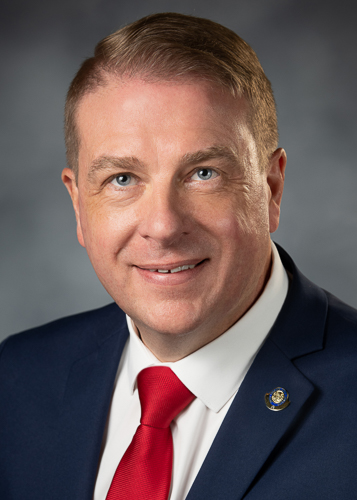
2026 Regular Session Introduced by Vince Deeds and 3 co-sponsors

The measure would study the economic feasibility of adding an upland game bird stamp to hunting licenses to fund upland game management in West Virginia.

Ordered to House
0
WeVote Research Nonpartisan
Bill Summary · SCR 10

Overview

Senate Concurrent Resolution 10 (SCR 10) of the 2026 West Virginia legislative session tasks the Joint Committee on Government and Finance with studying whether it is economically feasible to require hunters to purchase an upland game bird stamp in addition to a standard hunting license before hunting upland game birds in wildlife management areas.

Purpose and intent

  • Proactively evaluate the economic feasibility of a new funding mechanism for upland game management.
  • Specifically considers requiring an upland game bird stamp (in addition to the standard hunting license) to hunt upland game birds in wildlife management areas.
  • If feasible, the study would inform potential legislation to implement the stamp program.

Key provisions and changes contemplated

Since SCR 10 is a resolution rather than an act, it does not itself enact rules but directs study and reporting. The main provisions are:

  • Directive to study: The Joint Committee on Government and Finance must study the economic feasibility of requiring an upland game bird stamp when purchasing a standard hunting license for hunting upland game birds in wildlife management areas.
  • Scope of study includes:
    • Identifying upland game bird species affected (e.g., ruffed grouse, bobwhite quail, ring-necked pheasant).
    • Assessing potential revenue outcomes (e.g., a pilot study cited a $10 stamp could raise about $37,000 if roughly half of hunters purchase it).
    • Evaluating how stamp revenues could be used (e.g., stocking additional game birds across the state).
    • Estimating impacts on hunter participation and wildlife management programs.
  • Reporting and timeline:
    • The Joint Committee on Government and Finance must report its findings, conclusions, and recommendations to the regular session of the Legislature in 2027.
    • The report should include drafts of any necessary legislation to implement recommendations.
  • Fiscal note: Expenses for conducting the study, reporting, and drafting legislation would be paid from legislative appropriations to the Joint Committee on Government and Finance.

Who or what would be affected

  • Hunters of upland game birds in West Virginia, particularly those who hunt in wildlife management areas.
  • State wildlife management funding and budgeting processes, as potential stamp revenues would influence funding for stocking and related programs.
  • The Joint Committee on Government and Finance, which would conduct the study and prepare the report and potential bill language.

Procedural and timeline aspects

  • Origin: Introduced in the Senate by the Natural Resources committee and several sponsors; originated March 11, 2026.
  • Action sequence: Reported out of committee, immediate consideration granted, adopted by the Senate (voice vote), then ordered to the House (as of March 14, 2026).
  • Next steps: The joint committee would complete its study and submit a report with conclusions and recommended legislation by the 2027 regular session.
  • Funding: Study costs to be covered by existing legislative appropriations to the Joint Committee on Government and Finance.

Potential impact (high-level)

  • If the stamp is deemed economically feasible, it could create a dedicated funding stream for upland game management, potentially enabling increased stocking and habitat/management efforts.
  • The measure could influence hunter costs and participation depending on the price and perceived value of the stamp.
  • Any final legislation would require formal approval in future session(s) and would detail stamp pricing, collection processes, exemptions, and how revenues would be allocated.

Compiled from official sources — confirm details with the bill’s official record.

Sign in to ask a question.