

WeVote

Bill

Bill

HB 109

relative to false reports to law enforcement.

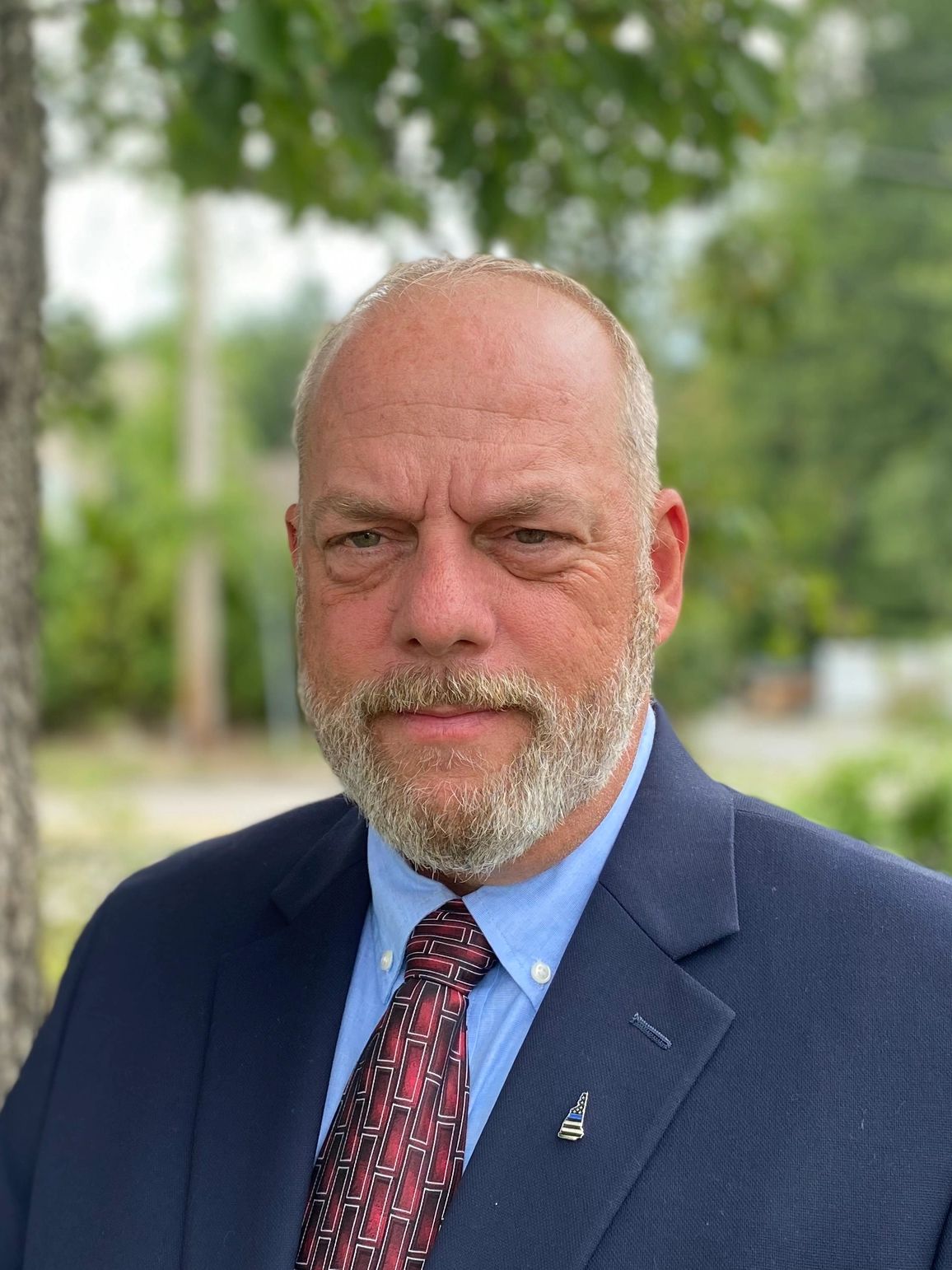
2026 Regular Session Introduced by Dennis Mannion and 2 co-sponsors

HB 109 clarifies and strengthens penalties for knowingly providing false information to law enforcement.

Signed by Governor Ayotte 05/08/2026; Chapter 43; eff. 07/07/2026
0
WeVote Research Nonpartisan
Bill Summary · HB 109

Summary of NH House Bill 109 (HB 109) — Session 2026

Jurisdiction: New Hampshire | Title: Relative to false reports to law enforcement

Note: This summary reflects the bill’s stated purpose, key provisions, and potential impact based on available legislative history and title. It does not constitute legal advice.

1) Purpose and intent

  • HB 109 addresses false reports to law enforcement. The bill is designed to clarify, modify, or expand the criminal or regulatory framework governing making false statements or reports to law enforcement agencies in New Hampshire.
  • The underlying aim is to deter individuals from furnishing false information to police, sheriff’s offices, or other law enforcement bodies, and to specify penalties or procedural standards for handling such offenses.

2) Key provisions and changes (as typically associated with “false reports” bills)

  • Offense definition: The bill likely defines what constitutes a “false report” or “false statement” to law enforcement. This may include knowingly providing false information, reporting a crime that did not occur, or misrepresenting facts in a situation reported to police.
  • Mental state: Provisions often require awareness of falsity or recklessness regarding the truth of the information furnished. The standard could be “knowingly” or “knowingly and intentionally” making a false report, aligning with existing criminal statutes.
  • Class and penalties: The bill may specify the criminal classification (e.g., misdemeanor or felony) and corresponding penalties (jail time, fines). If amendments were added, the penalties could reflect graduated sanctions based on the severity or potential harm of the false report.
  • Scope of reporting: Provisions may delineate who is protected (e.g., police, fire, EMS, or other statutory enforcement bodies) and where a report is made (in-person, telephone, electronic).
  • Defenses and exceptions: Possible exemptions could include statements made reasonably and in good faith during a reporting process, or reporting based on a reasonable belief in the accuracy of information at the time.
  • Procedural alignment: The bill might harmonize with existing statutes on perjury, tampering with evidence, or obstruction, outlining how false report offenses interact with related criminal provisions.

3) Who or what would be affected

  • Individuals who knowingly provide false information to law enforcement during investigations, emergencies, or reported incidents.
  • Victims and witnesses who could be implicated if their statements are deemed knowingly false.
  • Law enforcement agencies and prosecutors, who would apply the statute in enforcing penalties and prosecuting cases.
  • Potentially, public-safety operations, as false reports can divert resources and impede responses to actual emergencies.

4) Procedural and timeline aspects

  • Introduced: January 2025, referred to Judiciary (Criminal Justice and Public Safety committee various times).
  • Committee actions: Multiple committee votes and amendments, including “Ought to Pass with Amendment” and “Rereferred to Committee,” indicating substantial deliberation and updates.
  • Public hearing: Held January 31, 2025, with executive session and amendments discussed in early 2025.
  • Senate actions: The bill moved through Senate processes, with amendments, before House concurrence.
  • Final action (as of latest history): On April 9, 2026, the House concurring with Senate Amendment 2026-3085s, indicating the bill achieved final passage with Senate amendments and was sent to the governor for potential signature or veto (not specified in provided history).

5) Practical considerations

  • If enacted, enforcement would hinge on proving the falsehood and the relevant mental state (e.g., knowingly false).
  • Penalties will determine the bill’s impact on individuals who make false reports, and could influence public safety resource allocation and investigative integrity.
  • The bill may interact with existing statutes on perjury, furnishing false information, or obstruction of justice, potentially layering or clarifying responsibilities for false statements to law enforcement.

If you’d like, I can tailor this summary to emphasize a specific provision (e.g., penalties, definitions, or defenses) once the bill’s actual text is available.

Compiled from official sources — confirm details with the bill’s official record.

Sign in to ask a question.