Summary — HB 3515 (FOIA — Commercial Purposes)
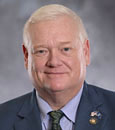
Sponsor: Rep. Janet Yang Rohr
Status: Introduced (added chief co-sponsor Rep. Anthony DeLuca on 2025-07-23)
Filed/First reading: Feb. 2025 (filed Feb. 7; first reading Feb. 18)
Related/companion bill: SB 1830
Statutes amended: 5 ILCS 140/2 and 140/6 (Freedom of Information Act); 50 ILCS 706/10-20 (Law Enforcement Officer‑Worn Body Camera Act)
Purpose
- To clarify and tighten how the Illinois Freedom of Information Act (FOIA) treats requests made for commercial purposes, to narrow who qualifies as “news media,” and to change fee rules for audio/video records. It also amends the Body Camera Act to limit mandatory release of certain flagged body‑worn-camera footage when requested for commercial purposes.
Key provisions
- Defines “commercial purpose” in FOIA to include any use that furthers the commercial, trade, or profit interests of the requester or the person on whose behalf the request is made. Existing exceptions remain for news media and non‑profit/scientific/academic organizations when the principal purpose is news dissemination, research, education, or opinion/features.
- Narrows the definition of “news media” to exclude “Internet sites, social media channels, or other sites or applications that post law enforcement videos in exchange for compensation based on the number of views.” This expressly targets online platforms that monetize law enforcement footage.
- Authorizes public bodies to charge up to $40 per hour for each hour personnel spend searching for, retrieving, reviewing, redacting, and reproducing audio and video records — except the first 8 hours spent searching for or retrieving a requested record are not chargeable.
- Amends the Law Enforcement Officer‑Worn Body Camera Act to provide that requests made for a commercial purpose (as defined in FOIA) are not subject to statutory provisions that would otherwise require release of body‑camera footage that has been flagged for specified reasons.
Who is affected
- For‑profit requesters, commercial aggregators, and social media/video channels that monetize law‑enforcement content: more likely to be classified as making commercial requests and thus face denials or higher fees.
- News organizations, academic and non‑profit researchers: retain exemptions when their principal purpose fits the bill’s listed public‑interest uses.
- Law enforcement agencies and other public bodies: may withhold certain flagged bodycam footage from commercial requesters and may charge up to $40/hour (after an initial 8 free hours) for staff time dealing with audio/video records.
- General public: potential reduction in availability of monetized video content; changes in costs and timing for audio/video records requests.
Procedural status (selected)
- Filed with Clerk: 2025-02-07
- First reading / Referred to Rules: 2025-02-18
- Assigned to Executive Committee: 2025-03-11
- Subcommittee hearings and testimony: April 7, 2025 (left pending, later recalled)
- Reported favorably without amendment: 2025-05-08
- Committee report to Calendars: 2025-05-14
- Chief co-sponsor added: 2025-07-23
Potential impacts and considerations
- Shifts access balance toward restricting commercial exploitation of public records (particularly law‑enforcement video) while preserving traditional press and academic exemptions.
- Financial effect: public bodies may recoup staff time for audio/video processing but may also face increased administrative decisions about commercial status and application of exemptions.
- Could provoke litigation over whether particular requesters or sites are “commercial” and whether a requester’s principal purpose qualifies for the news/non‑profit exception.