

WeVote

Bill

Bill

HB 3308

Relating to the termination of the authority’s certificate of need program

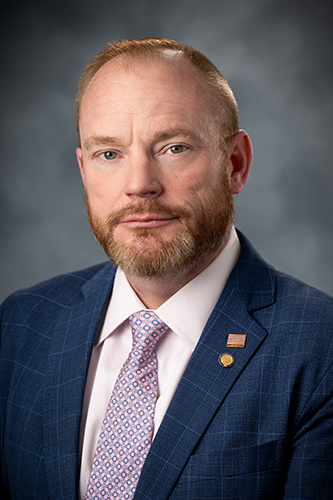
2025 Regular Session Introduced by Chris Anders and 10 co-sponsors

Prohibits under-18 panhandling, with exceptions for representing nonprofits or certain family/friend solicitations, making minor panhandling a petty offense.

To House Health and Human Resources
0
WeVote Research Nonpartisan
Bill Summary · HB 3308

Summary — HB 3308 (Wrongs to Children — Panhandling by Minors)

Sponsor: Rep. Angelica Guerrero‑Cuellar
Introduced: Feb 18, 2025 (filed Feb 25, 2025)
Statutes amended: 720 ILCS 150/1 and 150/5 (Wrongs to Children Act)

Purpose / Intent

HB 3308 amends the Wrongs to Children Act to make it unlawful for children under 18 to engage in “panhandling,” defines that term, creates narrow exceptions, and establishes that a minor who panhandles commits a petty offense. The bill distinguishes the conduct of minors themselves from existing provisions that criminalize adults who exploit young children for begging or similar activities.

Key provisions

  • Adds to 720 ILCS 150/1 a prohibition: a child under 18 years of age may not engage in “panhandling” unless the child is representing a nonprofit organization.
  • Defines “panhandling” to include:
    • selling food products or other items; or
    • begging for money or asking for monetary donations,
    • (but only when not representing a nonprofit organization).
  • Establishes exclusions so that “panhandling” does not include solicitations made on behalf of:
    1. Religious organizations (church, mosque, temple, etc.);
    2. Recognized charities or organizations exempt under Section 501 of the Internal Revenue Code; or
    3. A friend or family member, either in person or via the Internet.
  • Amends 720 ILCS 150/5 to add: any person under 18 who engages in panhandling is guilty of a petty offense.
  • Existing provisions in the Act that criminalize exhibiting, using, or employing children under 14 for begging, peddling, or other dangerous or immoral occupations remain in place; penalties for persons convicted under those provisions (Class A misdemeanor first offense; Class 4 felony for repeat offenses) are retained for those adult offenders.

Who would be affected

  • Children and youth under 18 who solicit money, sell items, or otherwise beg in public (except when representing an eligible nonprofit or covered exception).
  • Homeless and street‑active youths, youth participating in informal fundraising or sales, and organizers of youth solicitation activities.
  • Nonprofits, religious organizations, and families — the bill permits child solicitation when children represent qualifying organizations or assist family/friends.
  • Law enforcement and local governments tasked with enforcing the statutory prohibition.

Procedural / timeline status

  • Introduced Feb 18, 2025 by Rep. Angelica Guerrero‑Cuellar (filed Feb 25, 2025).
  • Passed the House: May 2, 2025 (readings, votes, engrossment).
  • Sent to the Senate: received May 5, 2025; referred to State Affairs (and other committee referrals appear in the bill history).
  • Current status as of the last legislative actions: in the Senate committee process (referred to State Affairs / Rules Committee).

Notes and considerations

  • The bill’s definition of “panhandling” includes selling items, which may create practical questions about routine youth sales (lemonade stands, bake sales) unless clearly tied to an exempt organization or family/friend solicitation; implementation and enforcement guidance would be needed.
  • Designating minor panhandling as a petty offense shifts consequences away from more serious criminal penalties but could still subject youths to fines or other juvenile processing depending on local practice.
  • There may be constitutional and policy questions (e.g., free speech, public‑safety responses, and impacts on vulnerable youth) that could arise during implementation or judicial review.

Compiled from official sources — confirm details with the bill’s official record.

Sign in to ask a question.