

WeVote

Bill

Bill

SB 2665

Relating to the authority of a taxing unit to adopt an exemption or a tax rate that is contingent on voter approval of the adoption of a tax rate or the issuance of bonds by that taxing unit or another taxing unit.

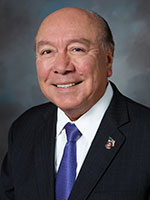
89th Legislature (2025) Introduced by Chuy Hinojosa

SB 2665 allows Texas taxing units to adopt voter-conditional tax exemptions and rates tied to approval of related taxes or bonds by same or other units.

Referred to Local Government
0
WeVote Research Nonpartisan
Bill Summary · SB 2665

Legislative bill overview

SB 2665 would authorize Texas taxing units (such as school districts, cities, or counties) to conditionally adopt tax exemptions or set tax rates that only take effect if voters approve related measures—either a separate tax rate adoption or bond issuance by the same or another taxing unit. This creates a mechanism to link tax policy decisions to voter approval on interconnected financial measures.

Why is this important

This addresses coordination challenges when multiple taxing units or ballot measures affect taxpayers simultaneously. It allows taxing units to structure conditional tax incentives or rates that only activate if complementary funding mechanisms (like bonds or tax measures) receive voter support, potentially preventing unintended fiscal mismatches. This could affect how local governments present financial packages to voters and manage competing revenue sources.

Potential points of contention

  • Voter confusion: Conditional exemptions or rates tied to other measures could complicate ballot presentation and voter understanding of actual tax impacts
  • Municipal coordination complexity: Linking one taxing unit's tax decisions to another's voter approval could create delays, disputes, or strategic behavior among governments
  • Fairness concerns: Taxpayers in one jurisdiction could have their tax treatment determined partly by votes in another jurisdiction, raising questions about local control and transparency

Compiled from official sources — confirm details with the bill’s official record.

Sign in to ask a question.