

WeVote

Bill

Bill

AB 177

Relating to: sales and use tax exemption for diapers and feminine hygiene products. (FE)

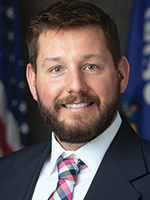
2025-2026 Regular Session Introduced by Elijah Behnke and 17 co-sponsors

AB 177 creates an SLPA licensure pathway, updates audiology/OTC hearing aid rules to expand access, and streamlines licensing while aligning with federal OTC device rules.

Failed to pass pursuant to Senate Joint Resolution 1
0
WeVote Research Nonpartisan
Bill Summary · AB 177

AB 177 — Summary (Chapter 76, 2025)

Status: Approved by the Governor (Chapter 76). Enrolled May 27, 2025; Approved May 28, 2025.
Sponsors: Asm. Cecelia González; Co‑sponsor added: Asm. Tracy Brown‑May.

Purpose / Intent

AB 177 revises Nevada law (NRS Ch. 637B, and related sections of Ch. 391) to modernize regulation of speech‑language pathology (SLP), audiology, and hearing‑aid fitting/dispensing. The bill aims to expand access to care, create a licensure pathway for Speech‑Language Pathology Assistants (SLPAs), align state scopes with federal (FDA) rules on over‑the‑counter (OTC) hearing aids, streamline licensing processes, and update fee and military‑applicant provisions.

Key provisions

  • Speech‑Language Pathology Assistants (SLPAs)

    • Establishes a new SLPA license and requires the Board to adopt implementing regulations (education, supervision, scope).
    • Eligibility pathway for current school practitioners: applicants who hold a Nevada Department of Education (NDE) endorsement issued on or before Sept. 30, 2026 and who actively practice under that endorsement at their employing school/school district may qualify for SLPA licensure.
    • Supervisory requirements: SLPAs, SLP provisional licensees, and students may practice only under a supervising SLP (statutory supervision framework and rulemaking directed to the Board).
    • Chair/committee amendments clarify that persons holding NDE endorsements on or before Sept. 30, 2026 who do not hold a Board license remain exempt from Chapter 637B and preserve collective‑bargaining classification parity with licensed SLPs.
  • Audiology and hearing‑aid dispensing

    • Repeals the separate “dispensing audiologist” endorsement and removes the separate written/practical dispensing exam and fee previously required to fit and dispense hearing aids.
    • Expands and clarifies the definitions of audiology practice (e.g., “ordering the use of” hearing devices) and updates references to “implantable hearing devices.”
    • Aligns state rules with the FDA Final Rule on OTC hearing aids: clarifies that OTC devices may be accessed without mandating involvement of a licensed person and removes the medical‑evaluation/waiver requirement for hearing‑aid purchase; authorizes sale by catalog, mail, or Internet consistent with federal law.
  • Hearing Aid Specialists (HAS)

    • Removes National Board Certification in Hearing Instrument Sciences (NBC‑HIS) as a mandatory licensing prerequisite (may remain an optional qualifier); revises apprentice/standard HAS qualification pathways and related regulations.
  • Scope additions (speech practice)

    • Broadens SLP scope to explicitly include additional vocal‑tract imaging/visualization tools (e.g., stroboscopy, nasal and oral endoscopy) for assessment/treatment.
  • Fees, licensing processes, and military applicants

    • Increases statutory caps on fees the Board may set (actual fees remain regulated in NAC 637B.030); authorizes the Board to waive all or part of fees in specified circumstances.
    • Requires the Board to collect no more than one‑half of the initial licensing fee for certain military‑affiliated applicants (active military, spouses, veterans, surviving spouses, Gold Star family members); expands ability to offer discounts and waivers.
    • Revises and streamlines expedited license‑by‑endorsement procedures and other nonstandard license categories.
  • Removed / modified items

    • Earlier drafts added tinnitus care and cerumen removal for HAS; Amendment 155 (and subsequent committee changes) deleted those new authorizations from the bill.

Who is affected

  • Licensed and prospective SLPs, SLPAs, audiologists, hearing aid specialists, and apprentices.
  • School districts and current bachelor’s‑level school SLP practitioners (provides SLPA pathway and preserves certain exemptions and collective‑bargaining classifications for NDE‑endorsed staff as of 9/30/2026).
  • Consumers (patients/students) through access, scope changes, and alignment with federal OTC hearing‑aid rules.
  • The Speech‑Language Pathology, Audiology and Hearing Aid Dispensing Board (rulemaking and fee authority).

Timeline / Implementation notes

  • NDE regulation already sunsets hiring of new bachelor’s‑level school SLPs effective Oct. 1, 2026; AB 177 creates a Board licensing pathway intended to align with that change.
  • The Board must adopt regulations (NAC) to implement SLPA licensing, supervision, and other operational details after statute becomes effective.
  • Requires a two‑thirds vote for final passage on certain provisions (noted in reprints).

Context / Rationale

Sponsors and professional associations cited Nevada’s low SLP‑per‑capita ratio (32.7 per 100,000 vs. national 60.8) and the impending end of bachelor’s‑level school SLP hiring as drivers to create regulated assistant pathways, reduce unregulated practice, and improve access while maintaining standards. Opponents (some school‑based practitioners) sought grandfathering and wage/classification protections; the final bill includes exemptions and collective‑bargaining parity language for those holding NDE endorsements by Sept. 30, 2026.

Compiled from official sources — confirm details with the bill’s official record.

Sign in to ask a question.