

WeVote

Bill

Bill

AB 230

Relating to: requiring retail sellers to accept cash and providing a penalty. (FE)

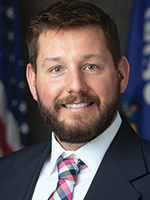
2025-2026 Regular Session Introduced by Elijah Behnke and 6 co-sponsors

Nevada joins the ASLP‑IC to allow audiologists and speech‑language pathologists to practice across member states via compact privileges, expanding telehealth and mobility.

Public hearing held
0
WeVote Research Nonpartisan
Bill Summary · AB 230

AB 230 — Audiology and Speech‑Language Pathology Interstate Compact (ASLP‑IC)

Status: Chapter 327 (Enacted). Introduced Jan 13, 2025. Enrolled Jun 2, 2025. Approved by Governor Jun 5, 2025. Effective chaptering Jun 6, 2025. Sponsor: Assemblymember Marzola.

Purpose / Intent

AB 230 ratifies Nevada’s participation in the Audiology and Speech‑Language Pathology Interstate Compact (ASLP‑IC). The Compact is intended to:
- Improve public access to audiology and speech‑language pathology services (including telehealth);
- Facilitate multistate practice by mutual recognition of member‑state licenses;
- Strengthen information exchange and cooperation among states for licensure, investigations, and discipline;
- Support active‑duty military members and their spouses who relocate.

Key provisions

  • Ratifies and adds the ASLP‑IC to Nevada law (amending Chapter 637B NRS) and creates authority for Nevada to join the national Compact Commission.
  • Compact privilege: A licensee holding a qualifying “home state” license in a member state may practice in other member (“remote”) states by obtaining a compact privilege (in‑person or via telehealth). Practice is deemed to occur where the patient/client/student is located.
  • Eligibility requirements (home state licensees): active, unencumbered license; FBI fingerprint‑based criminal background check; specified education, supervised clinical experience, and national exam passage; valid U.S. Social Security or National Practitioner Identifier; no disqualifying felony or recent adverse actions.
  • Adverse actions and discipline: Home states retain primary licensure authority; remote states may take adverse action against a compact privilege. Adverse actions must be reported to the Commission and shared through the Compact’s data system. Encumbrance of the home license terminates privileges in remote states (with additional time conditions).
  • Military support: Active‑duty members and spouses may designate and retain a home state license while on active duty.
  • Compact Commission: Establishes a national administrative Commission with power to adopt rules, collect assessments from member states to fund operations, and maintain a data system for license, investigative, and disciplinary data.
  • Data sharing & confidentiality: AB 230 creates a statutory exception allowing Nevada’s Board to disclose certain complaint and licensure information to the Compact data system when required; also includes protections for confidentiality of information disclosed via the data system.

Who is affected

  • Audiologists and speech‑language pathologists (licensure, ability to practice across member states via compact privilege).
  • Patients and institutions (expanded access to care, especially via telehealth; potential improved access in rural/underserved areas and schools).
  • Nevada Speech‑Language Pathology, Audiology and Hearing Aid Dispensing Board (new data‑sharing duties; coordination with Commission).
  • Military families (easier license portability).
  • State fiscal/admin: the bill authorizes Nevada to participate in Commission assessments and requires administrative implementation; fiscal note indicates state effect.

Impact and context

Supporters (providers, university student government, DoD liaison, advocacy groups) emphasized workforce shortages in Nevada, telehealth access, reduced credentialing delays, and support for military spouses. The Compact centralizes multistate licensure information and streamlines cross‑state practice while preserving state regulatory authority over discipline and practice standards.

Compiled from official sources — confirm details with the bill’s official record.

Sign in to ask a question.