

WeVote

Bill

Bill

HB 2186

Relating to requiring local governments to provide matching funds for grants from the Reclamation of Abandoned and Dilapidated Properties Program

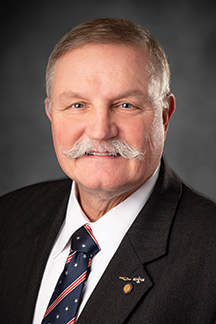
2025 Regular Session Introduced by Rick Hillenbrand and 2 co-sponsors

House Bill 2186 requires local governments in West Virginia to provide 20% matching funds for grants to reclaim abandoned properties, boosting community revitalization efforts.

To House Local Governments
0
WeVote Research Nonpartisan
Bill Summary · HB 2186

Summary of House Bill 2186

Bill Number: HB 2186
Title: Relating to requiring local governments to provide matching funds for grants from the Reclamation of Abandoned and Dilapidated Properties Program
Status: To House Local Governments
Introduced: January 29, 2025
Sponsors:
- Primary: Delegate G. Howell
- Cosponsors: Hillenbrand, Smith, B.

Purpose and Intent

House Bill 2186 aims to enhance the effectiveness of the Reclamation of Abandoned and Dilapidated Properties Program in West Virginia by mandating local governments to provide matching funds for grants received from the program. The bill is designed to ensure that local entities are financially invested in the remediation of abandoned and dilapidated properties, thereby promoting community revitalization and environmental sustainability.

Key Provisions

  1. Matching Funds Requirement:

    • Local governments, including county commissions, municipalities, urban renewal authorities, land reuse agencies, and municipal land banks, must provide a 20% match for any grant awarded by the Department of Environmental Protection under the Reclamation of Abandoned and Dilapidated Properties Program.
    • Exceptions to this requirement can be made if a local government can demonstrate fiscal inability to provide the matching funds.
  2. Use of Fines:

    • Fines assessed by local governments related to abandoned and dilapidated properties must be allocated to either meet the matching fund requirements or to fund the demolition of condemned properties.
  3. Establishment of a Special Revenue Fund:

    • A special revenue fund will be created to support the program, consisting of funds from various sources, including charitable donations and legislative allocations.
  4. Administrative Oversight:

    • The Department of Environmental Protection will oversee the program and may propose rules for the disbursement of funds and eligibility criteria for local governments.
  5. Implementation Timeline:

    • The provisions requiring matching funds and the allocation of fines will take effect starting July 1, 2025.

Impact

  • Local Governments: The bill will require local governments to allocate financial resources towards property remediation efforts, potentially increasing their budgetary responsibilities.
  • Communities: By incentivizing local investment in property reclamation, the bill aims to improve community aesthetics, safety, and property values, contributing to overall urban renewal.
  • Environmental Benefits: The program is expected to facilitate the cleanup and redevelopment of blighted properties, which can lead to improved environmental conditions and public health outcomes.

Legislative Timeline

  • January 29, 2025: Bill filed by Rep. Tony M. McCombie.
  • February 4, 2025: First reading and referred to the Rules Committee.
  • February 12, 2025: Introduced in the House and referred to the Committee on Government Organization then Finance.
  • March 12, 2025: Passed out of the Executive Committee with a Do Pass recommendation.
  • March 27, 2025: Held on the calendar for second reading.
  • May 31, 2025: Rule 19(a) - Re-referred to the Rules Committee.

This summary provides an overview of House Bill 2186, highlighting its purpose, key provisions, and potential impacts on local governments and communities in West Virginia.

Compiled from official sources — confirm details with the bill’s official record.

Sign in to ask a question.