

WeVote

Bill

Bill

SB 438

Relating to: requiring certain sales invoices and sales receipts to include tariff costs.

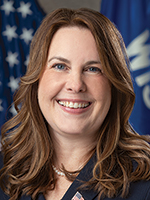
2025-2026 Regular Session Introduced by Dianne Hesselbein and 5 co-sponsors

SB 438 enhances child welfare in Florida by ensuring safe visitation for at-risk children, defining caregiver incapacity, and mandating trauma-informed services for affected youth.

Failed to pass pursuant to Senate Joint Resolution 1
0
WeVote Research Nonpartisan
Bill Summary · SB 438

Summary of SB 438 - Child Welfare

Bill Information:
- Bill Number: SB 438
- Title: Child Welfare
- Status: Filed
- Introduced: November 07, 2025
- Classification: Bill
- Sponsor: Senator Leek

Purpose and Intent

SB 438 aims to enhance child welfare protections in Florida by addressing issues related to child abuse, neglect, and the visitation rights of parents or caregivers who may pose a risk to children. The bill seeks to establish clearer definitions and guidelines to ensure the safety and well-being of children in situations involving potential harm from caregivers.

Key Provisions

  1. Definitions:

    • Introduces the term “incapacitated”, defined as a person unable to care for their child due to mental, physical, or other incapacity, as determined by a licensed professional.
  2. Legislative Findings and Intent:

    • Revises findings to acknowledge that children who have experienced abuse may face further harm during visitation with certain caregivers.
    • Establishes the intent to protect children from further harm, particularly in cases of sexual abuse or where a caregiver has been incapacitated.
  3. Rebuttable Presumption of Detriment:

    • Creates a rebuttable presumption of detriment to a child in specific circumstances, including:
      • Probable cause of sexual abuse by a caregiver.
      • Convictions or guilty pleas related to serious offenses such as sexual battery or child abuse.
      • Designation as a sexual predator.
  4. Visitation Requirements:

    • Mandates that any visitation or contact ordered under certain conditions must be supervised by an individual trained in child sexual abuse dynamics or conducted through a supervised visitation program that meets specific compliance standards.
  5. Shelter Hearing Timeline:

    • Requires that a shelter hearing occurs within 24 hours if a child is taken into custody due to a caregiver's arrest for serious offenses against another parent or legal custodian.
  6. Trauma-Informed Services:

    • Requires that children placed in shelters be referred to providers of trauma-informed therapeutic services to address their emotional and psychological needs.

Impact

  • Who is Affected:
    • The bill primarily impacts children who are victims of abuse or neglect, their caregivers, and the legal system involved in child welfare cases.
    • It also affects professionals working with children, including social workers, therapists, and legal practitioners, by establishing new guidelines and training requirements.

Procedural Aspects

  • The bill was filed on November 07, 2025, and is currently in the legislative process. If passed, it will amend several sections of Florida Statutes related to child welfare, ensuring that the legal framework supports the safety and well-being of children in potentially harmful situations.

Conclusion

SB 438 represents a significant step towards strengthening child welfare laws in Florida by introducing critical definitions, establishing protective measures for children, and ensuring that visitation with potentially harmful caregivers is conducted safely. The bill emphasizes the importance of trauma-informed care and timely judicial processes in safeguarding children’s welfare.

Compiled from official sources — confirm details with the bill’s official record.

Sign in to ask a question.