HB 3503 — Illinois Instructional/Curriculum Overview and Alignment Act (summary)
Status & key dates
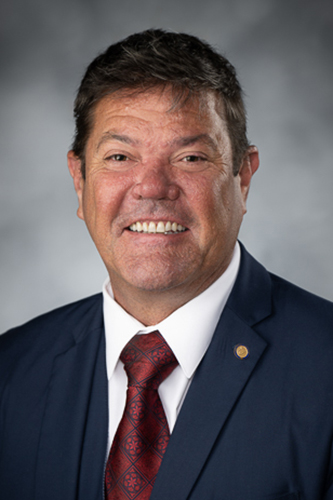
- Introduced Feb 18–27, 2025 (Rep. Curtis J. Tarver, II). Senate sponsor: Sen. Lakesia Collins. Cosponsor: Rep. Camille Y. Lilly. Companion: SB 1726.
- Passed House (third reading) 4/9/2025 (116–0). Re-referred to Assignments (Rule 3‑9(a)) 6/2/2025.
- Effective date: upon becoming law.
Purpose
- Require the State Board of Education (SBE) to conduct periodic, comprehensive reviews of mandated units of study (statutorily required curriculum topics) to ensure alignment with current educational standards, societal/technological developments, and best practices and to identify and address gaps (e.g., financial literacy, digital citizenship, AI, STEM, workforce readiness).
What the bill would require (key provisions)
- Start date: reviews to begin January 1, 2026. (Note: bill text contains different review-frequency language across versions — see “Notes on versions” below.)
- Scope of reviews:
- Assess alignment of mandated units of study with State and national standards.
- Identify redundancies/overlaps across grades and subjects.
- Evaluate inclusivity and cultural relevance.
- Consider emerging societal/technological topics (digital citizenship, AI, global issues).
- Study graduation requirements and all courses (core and electives) in comparison to other states.
- Conduct a specific evaluation of financial education and recommend improvements.
- Review newly enacted laws that mandate instructional topics not yet implemented.
- Include a focused comparative section summarizing top-performing states’ practices and gaps.
- Stakeholder input: require incorporation of feedback from educators, administrators, parents/guardians, students (surveys/focus groups), subject-matter experts, and community organizations.
- Reporting and follow-up:
- SBE to publish a public report with findings, comparative analyses, and recommendations; present it to the Governor and General Assembly; post it on the SBE website.
- After each review, SBE shall (as needed) develop an action plan, provide professional development for educators, monitor implementation, and assess impacts on student outcomes.
- Funding/authority:
- Some draft versions require the General Assembly to appropriate necessary funds; others direct SBE to allocate appropriate resources and carry out stakeholder engagement, research, and implementation activities.
Who is affected
- State Board of Education: primary implementing agency; increased review, reporting, and monitoring responsibilities.
- Public school systems, educators, and administrators: potential curriculum changes, professional development, and implementation monitoring.
- Students, parents, community organizations, and subject-matter experts: participants in engagement and beneficiaries of any curriculum improvements.
- General Assembly: receives reports and may be asked to provide appropriations.
Potential impacts and considerations
- Positive: could improve curriculum relevance, reduce redundancies, strengthen financial literacy/AI/digital citizenship instruction, and align Illinois offerings with top-performing states.
- Practical: requires staff time, data collection, stakeholder outreach, and likely additional funding to implement recommendations and professional development.
- Legislative uncertainty: different draft texts show inconsistent review intervals and funding language (see below).
Notes on versions / inconsistencies
- Introduced/synopsis text calls for review every 5 years.
- An “engrossed”/amended version alternately states review whenever new learning standards are adopted or every 10 years (whichever comes first) or retains the 5‑year cadence in other passages.
- Some drafts explicitly require General Assembly appropriations for SBE activities; others direct SBE to allocate resources. These differences are unresolved and may change as the bill proceeds.